
May 26, 2026, Online — AFoCO and Bhutan have officially launched a new forest restoration and fire resilience project through an online MoU signing ceremony, inception meeting, and PSC meeting, marking an important step toward protecting fire-prone landscapes and communities in Thimphu and Paro. An online MoU signing ceremony, followed by the inception meeting and Project Steering Committee (PSC) meeting, officially launched the project “Restoring Fire-Damaged Ecosystems and Enhancing Wildland-Urban Interface (WUI) Resilience in Bhutan (26-076-BT-G02).” The project will be implemented from July 2026 to June 2030 by the Forest Resources Planning and Management Division (FRPMD) of the Department of Forests and Park Services (DoFPS), with support from AFoCO and key national and international partners.
The initiative responds to Bhutan’s growing forest fire risks, especially in Wildland-Urban Interface (WUI) areas and fire-affected landscapes in Thimphu and Paro. It aims to reduce fire hazards, restore degraded ecosystems, strengthen institutional and community capacity, and establish a stronger monitoring and evaluation system for adaptive management. The project is designed around four main objectives: reducing forest fire risks in WUI zones through hazard zoning and buffer plantations; restoring fire-affected landscapes with fire-resistant and high-value species; strengthening institutional, technical, and community capacity on fire prevention and restoration; and developing a systematic monitoring and evaluation framework to guide implementation and learning. Under the project, Bhutan will pilot fire-resilient landscape management in high-risk WUI sites in Thimphu, while also restoring fire-damaged areas across 70 hectares in Thimphu and Paro. The project will introduce mixed-species plantations, prescribed burning, fireline construction, geospatial monitoring, and community engagement to improve long-term resilience.
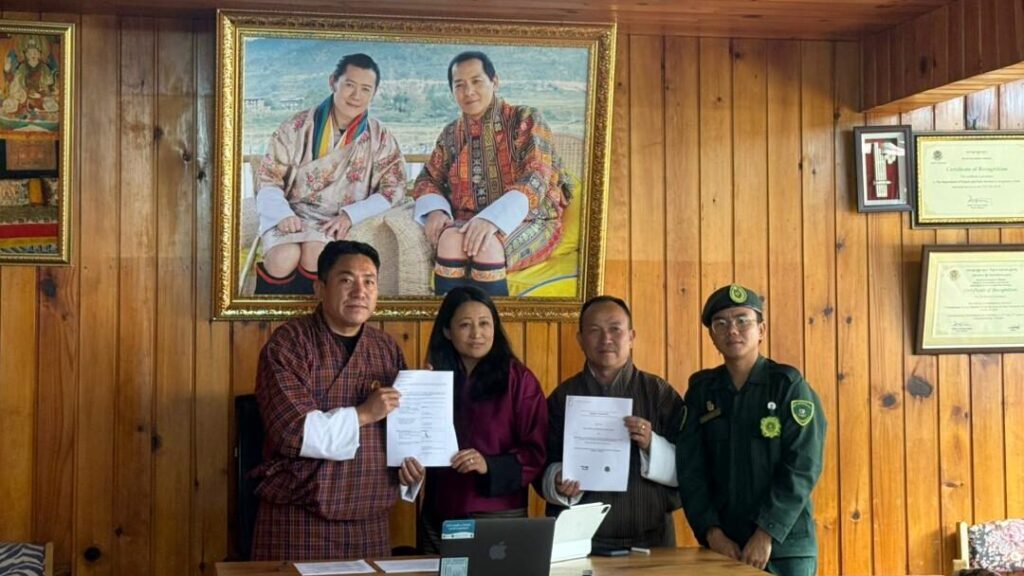
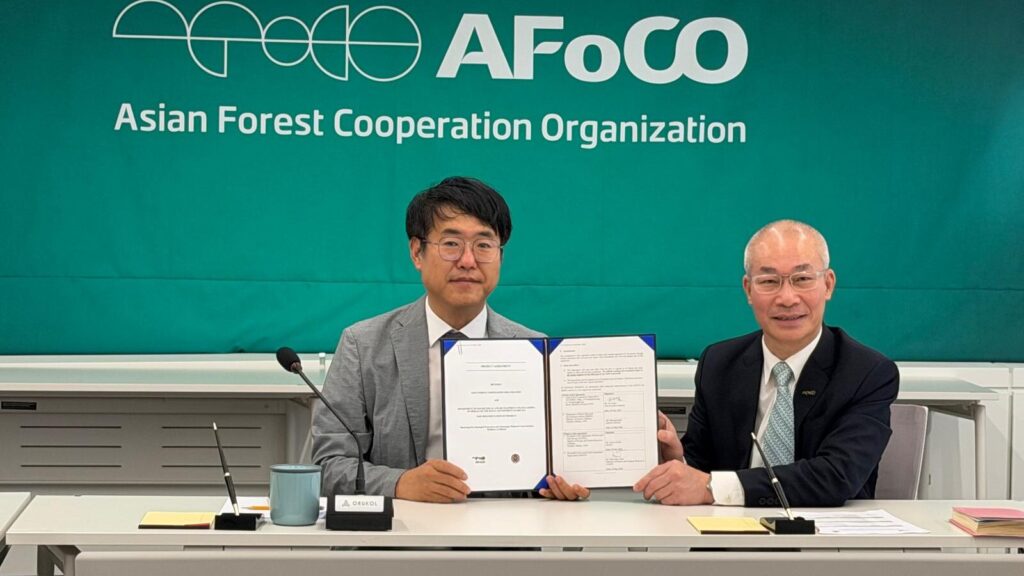

Once implemented, the project is expected to improve fire resilience in vulnerable WUI zones, reduce the spread and severity of forest fires, and support ecological recovery in burnt landscapes. It will also contribute to biodiversity conservation, carbon sequestration, slope stabilization, and the protection of surrounding communities and infrastructure. In addition, the project is expected to generate practical lessons on fire-adapted restoration that can be scaled up within Bhutan and shared more broadly across the region. Its integrated approach combines ecological restoration, disaster risk reduction, community participation, and knowledge exchange to support Bhutan’s broader climate and forest resilience goals.