
The Asian Forest Cooperation Organization (AFoCO), in collaboration with the Korea Arboreta and Gardens Institute (KoAGI), officially launched the 1st AFoCO–KoAGI Crop Wild Relatives (CWR) Working Group Meeting for Seed Management and Conservation on 8 July 2026 at the Sejong National Arboretum, Republic of Korea. Held in conjunction with the 2nd International CWR Symposium, the meeting marked the formal establishment of a regional platform dedicated to strengthening cooperation on seed management and the conservation of Crop Wild Relatives (CWR) across Asia, under the Asian Forest Living Lab Initiative.
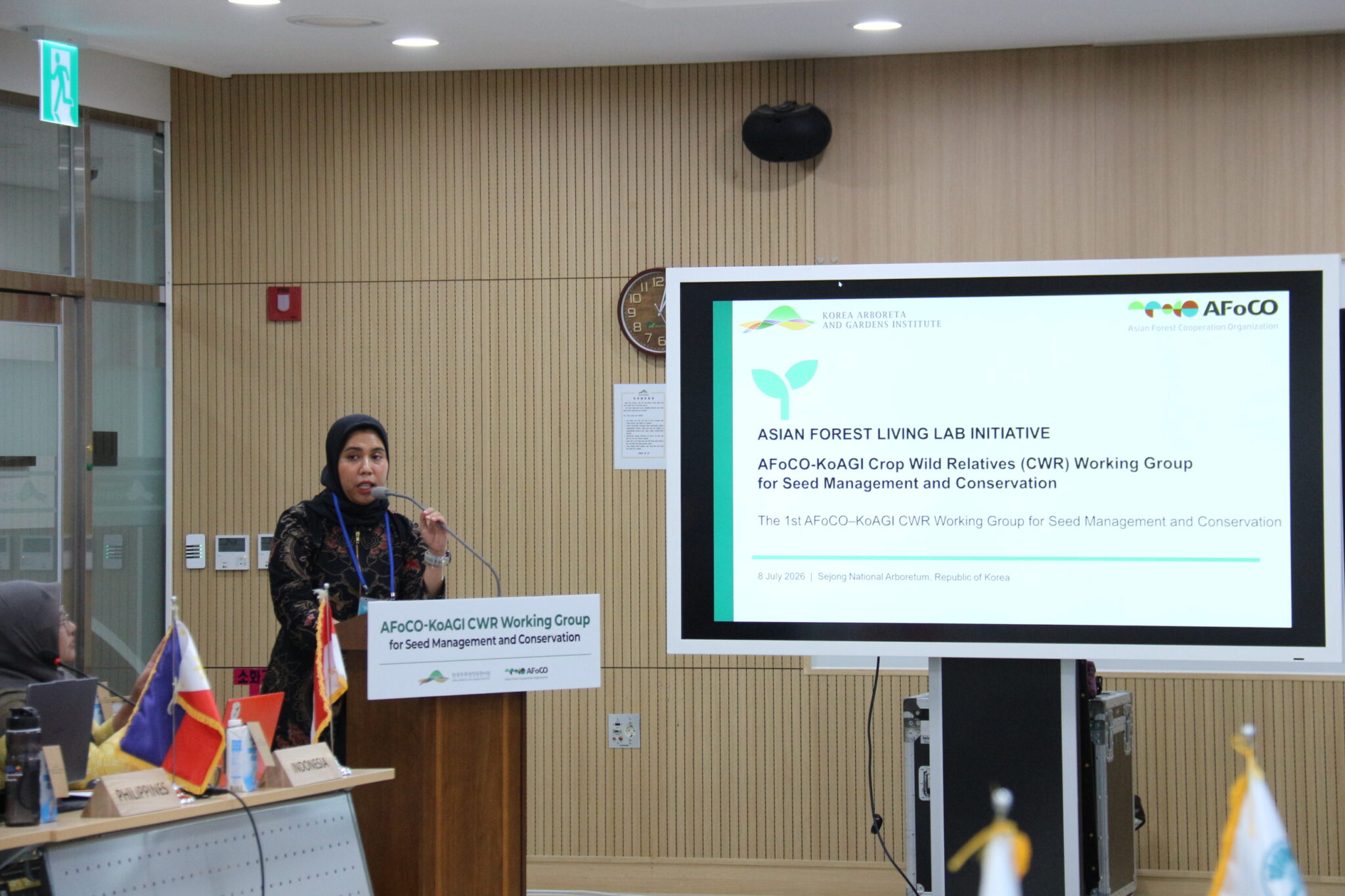
Crop Wild Relatives (CWR) are wild plant species closely related to the world’s food crops. They carry vital genetic diversity that plant breeders rely on to make crops more resilient to drought, flooding, high temperatures, and other stresses associated with climate change. Despite this importance, Asia, as the origin of many of the world’s major crops and a region of exceptional biodiversity, continues to face significant gaps in CWR research, seed conservation infrastructure, and regional collaboration compared to Europe, Africa, and the Americas. Recognizing these gaps, AFoCO and KoAGI convened the Working Group to bring together government representatives and technical experts from across the region to jointly address these challenges.
The three-day program (8–10 July 2026) brought together representatives from 13 AFoCO Member Countries—Bhutan, Brunei Darussalam, Cambodia, Indonesia, Kazakhstan, Kyrgyz Republic, Lao PDR, Myanmar, the Philippines, the Republic of Korea, Tajikistan, Thailand, and Viet Nam—alongside international technical experts from the Food and Agriculture Organization of the United Nations (FAO), Botanic Gardens Conservation International (BGCI), the IUCN SSC Crop Wild Relative Specialist Group, the John Innes Centre, and the Mekong Institute.
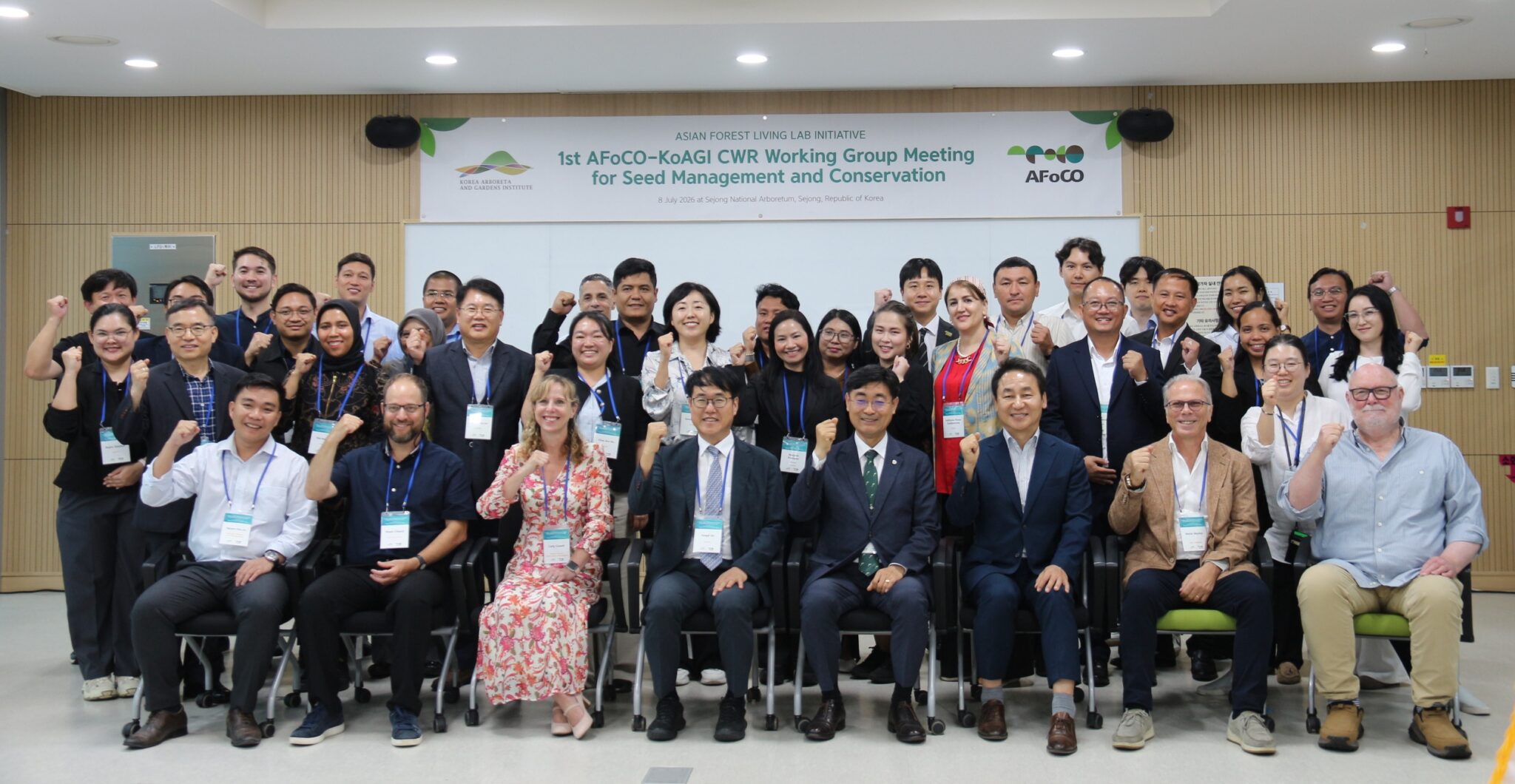
Opening Ceremony: Launching a New Regional Platform
The Opening Ceremony brought together representatives of AFoCO and KoAGI to formally launch the Working Group.
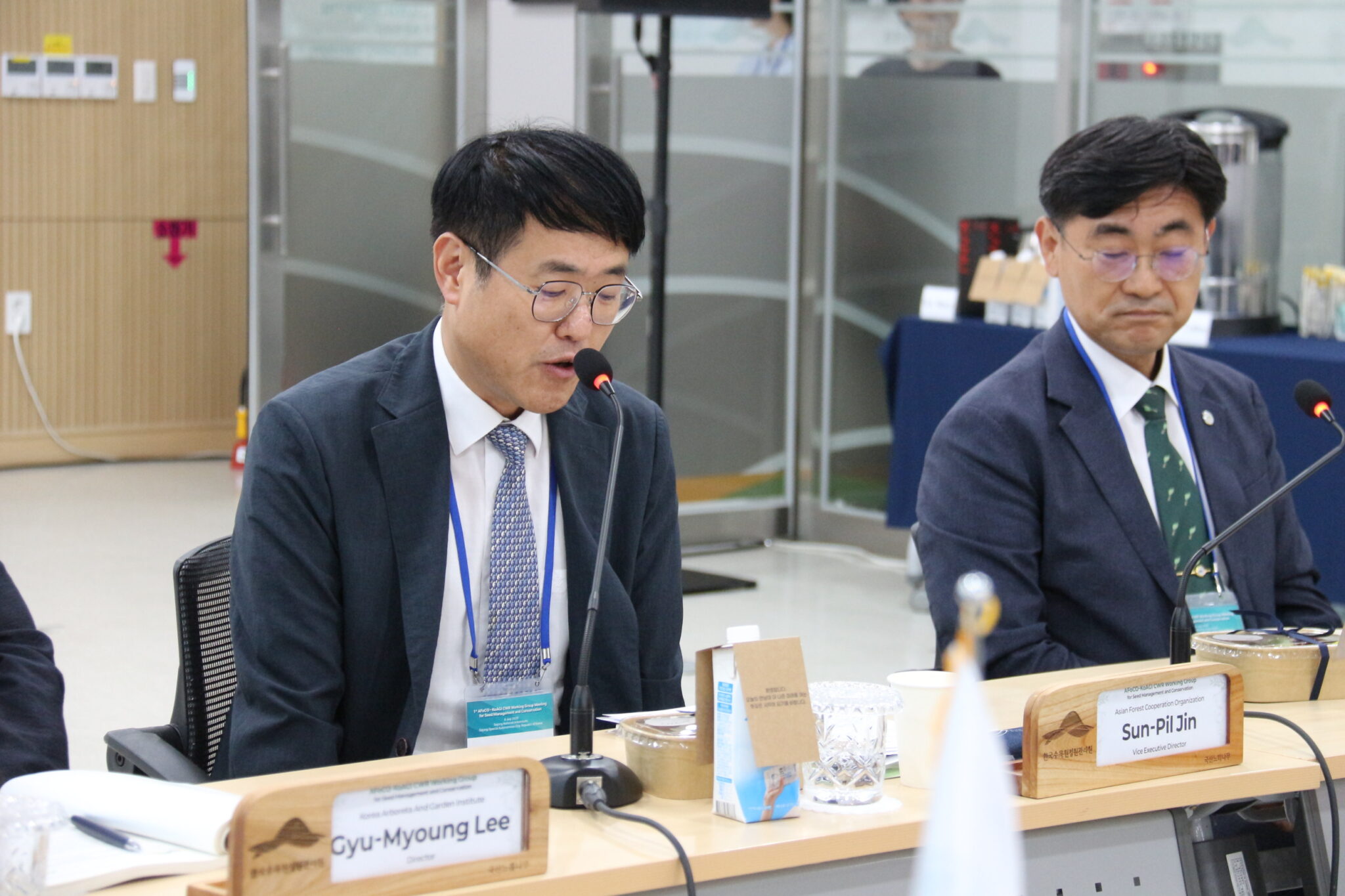
Mr. Sunpil Jin, Vice Executive Director of AFoCO, followed with opening remarks on behalf of the AFoCO Secretariat. He described the day as a significant milestone, reflecting more than a year of preparation since the Working Group’s establishment meeting in 2025 and the Preparatory Meeting held just one month earlier. He noted that the Working Group serves as a regional platform dedicated to seeds and Crop Wild Relatives (CWR), which are vital to future food security and climate resilience, and represents AFoCO and KoAGI’s collective response to Member Countries’ needs for strengthened seed conservation capacity under the Asian Forest Living Lab Initiative. He expressed appreciation to KoAGI for its leadership, highlighting the Baekdudaegan National Arboretum and the Baekdudaegan Global Seed Vault as key foundations for this cooperation, and encouraged Working Group Focal Points to engage openly in the discussions and carry the outcomes forward.
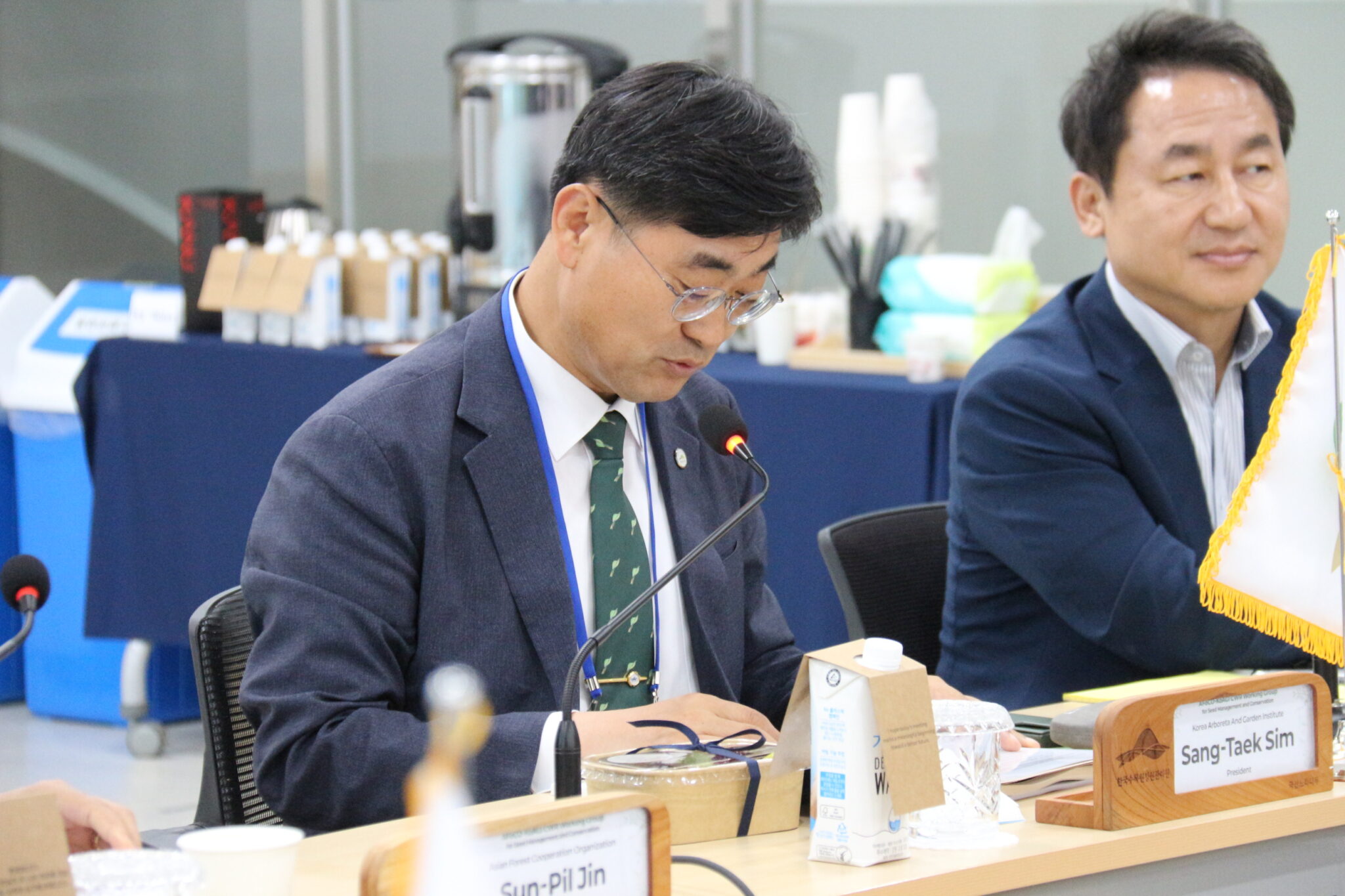
Mr. Sang-taek Sim, President of KoAGI, delivered the welcome remarks, extending a warm welcome to the AFoCO Member Country delegations and international partner institutions gathered at Sejong National Arboretum. He noted the significance of the day as the official launch of the Working Group and expressed KoAGI’s commitment to working closely with all Member Countries in the years ahead to develop an effective regional platform for Crop Wild Relatives conservation in Asia.
Overview: The Asian Forest Living Lab Initiative and the Road Ahead
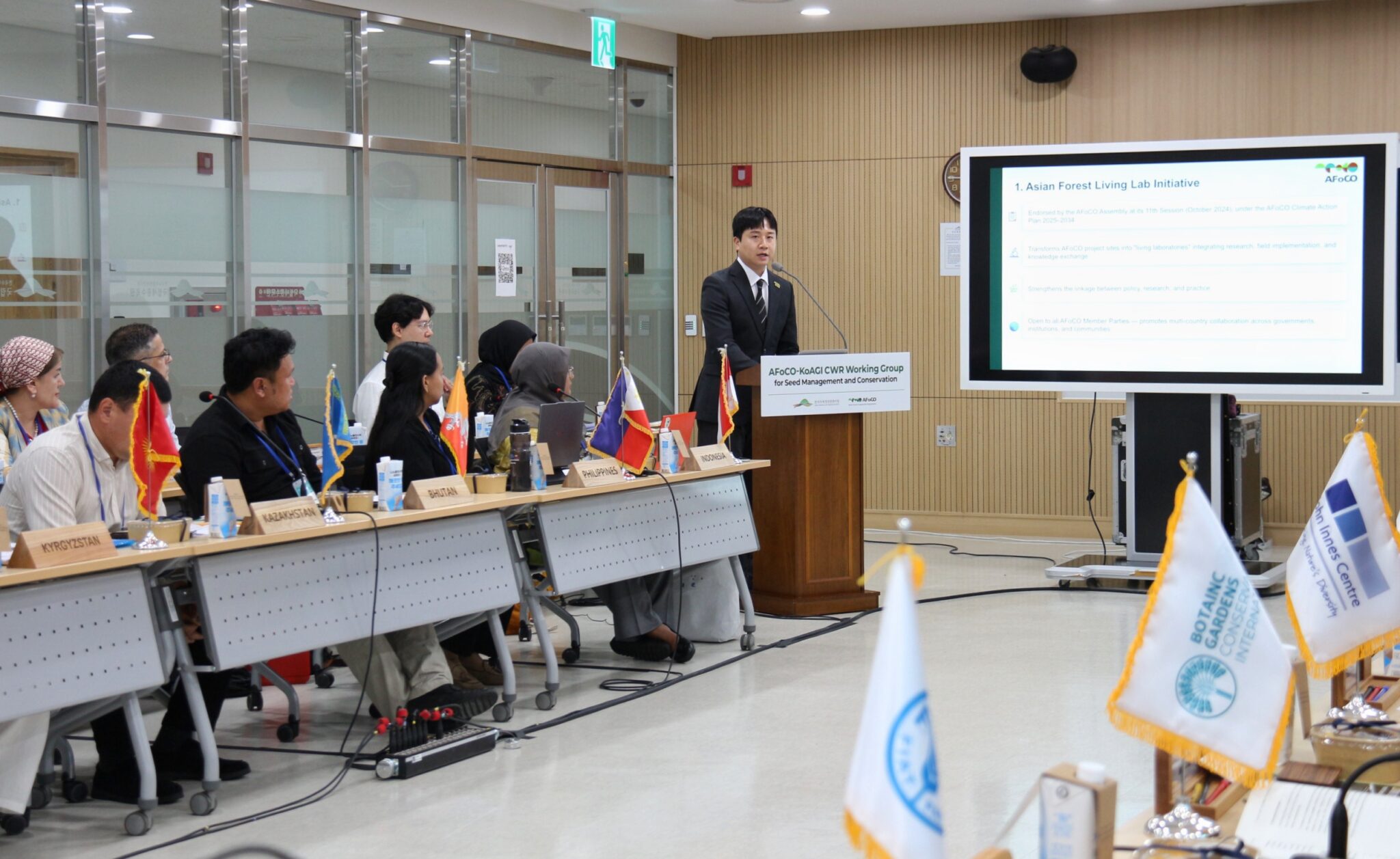
The AFoCO Secretariat presented an overview of the Asian Forest Living Lab Initiative and the AFoCO–KoAGI CWR Working Group, tracing the Initiative’s endorsement by the AFoCO Assembly at its 11th Session in October 2024 under the AFoCO Climate Action Plan 2025–2034 and outlining how the Working Group builds on the KEYS for Future Program and the Science & Technology Exchange Partnership (STEP), jointly implemented by AFoCO and KoAGI since 2019. The presentation also recapped the outcomes of the Working Group’s establishment meeting in 2025 and the Preparatory Meeting held on May 2026, which laid the groundwork for this first official meeting. Positioning the meeting within the Initiative’s broader ten-year roadmap, the Secretariat noted that this launch will be followed by online consultations later this year to develop collaborative funding proposals, including opportunities under frameworks such as Horizon Europe. The Working Group will then move toward its first BGSV seed deposits and pilot Living Lab sites in 2027, with the longer-term goal of institutionalizing a regional CWR platform for Asia by 2030 through expanded research partnerships and continued regional cooperation.
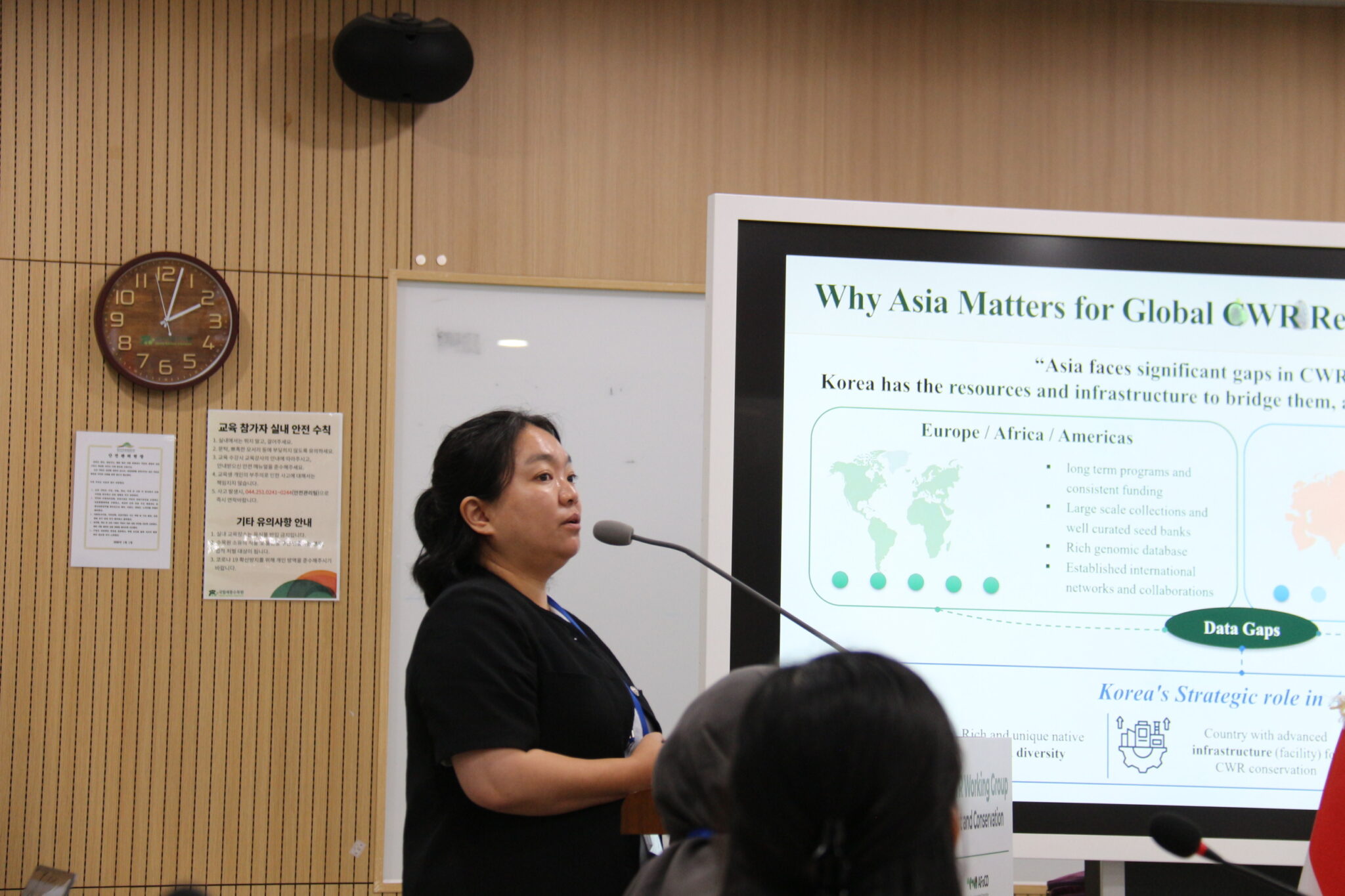
Dr. Chae Sun Na, Senior Manager at KoAGI, then introduced the Baekdudaegan National Arboretum (BDNA), which operates both a seed bank and a seed vault, and the Baekdudaegan Global Seed Vault (BGSV), a permanent storage facility dedicated to the long-term conservation of wild plant seeds. Dr. Na presented the concept and significance of CWR, a proposed five-phase framework for regional cooperation—spanning inventory and seed conservation, capacity building, research and utilization, product development, and community-based conservation—and the expected roles of Member Countries, including the provision of national CWR data, participation in joint research, and collaborative seed deposits.
Country Presentations: A Regional Baseline for CWR and Seed Management
The heart of the meeting was a series of technical presentations delivered by participating Member Countries, grouped into three ecological and geographic clusters: Tropical and Subtropical Mainland Countries (Cambodia, Lao PDR, Myanmar, Thailand, and Viet Nam), Tropical Archipelagic and Maritime Countries (Brunei Darussalam, Indonesia, and Philippines), and Continental and Montane Countries (Bhutan, Kazakhstan, Kyrgyz Republic, and Tajikistan).
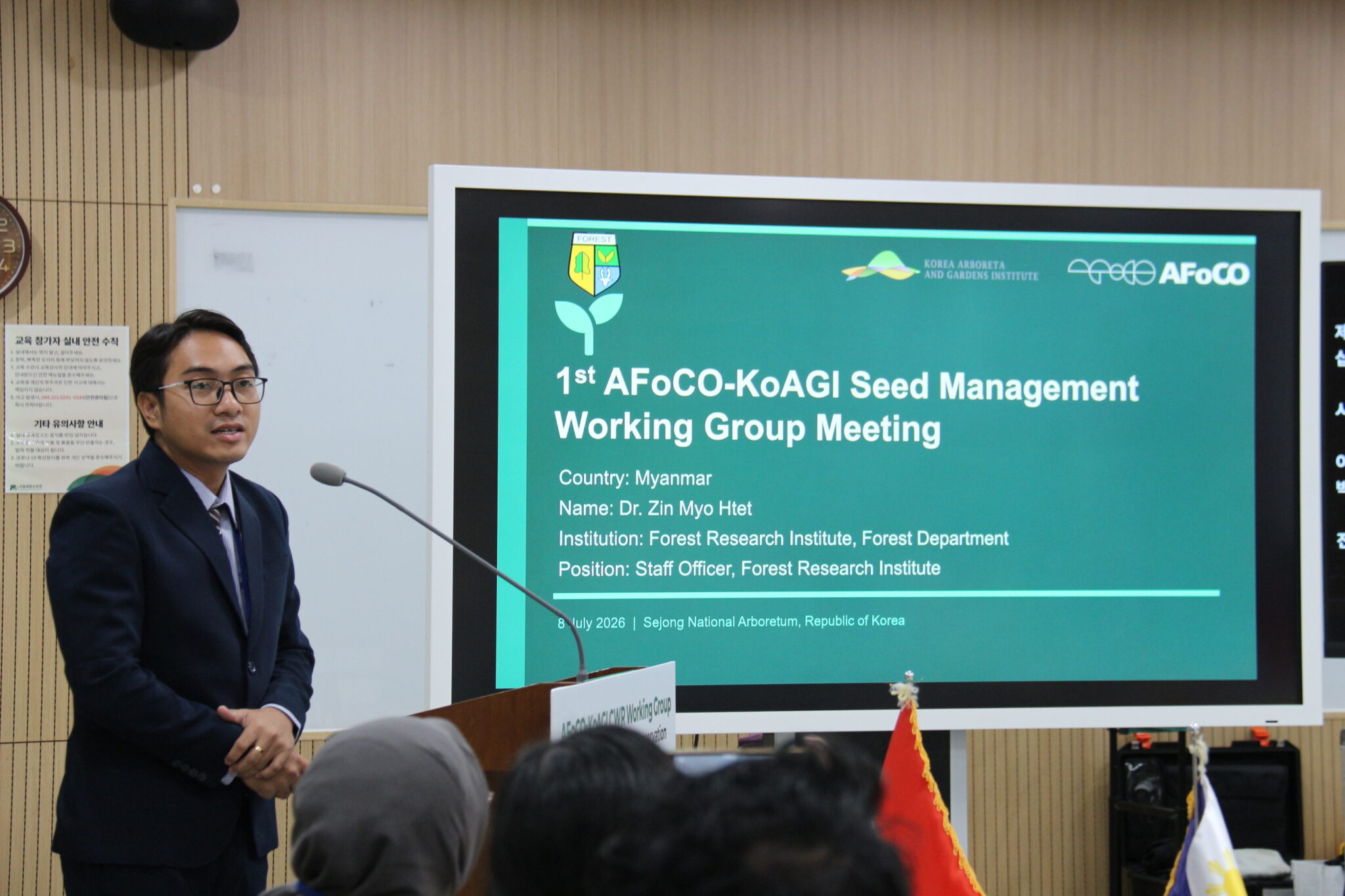
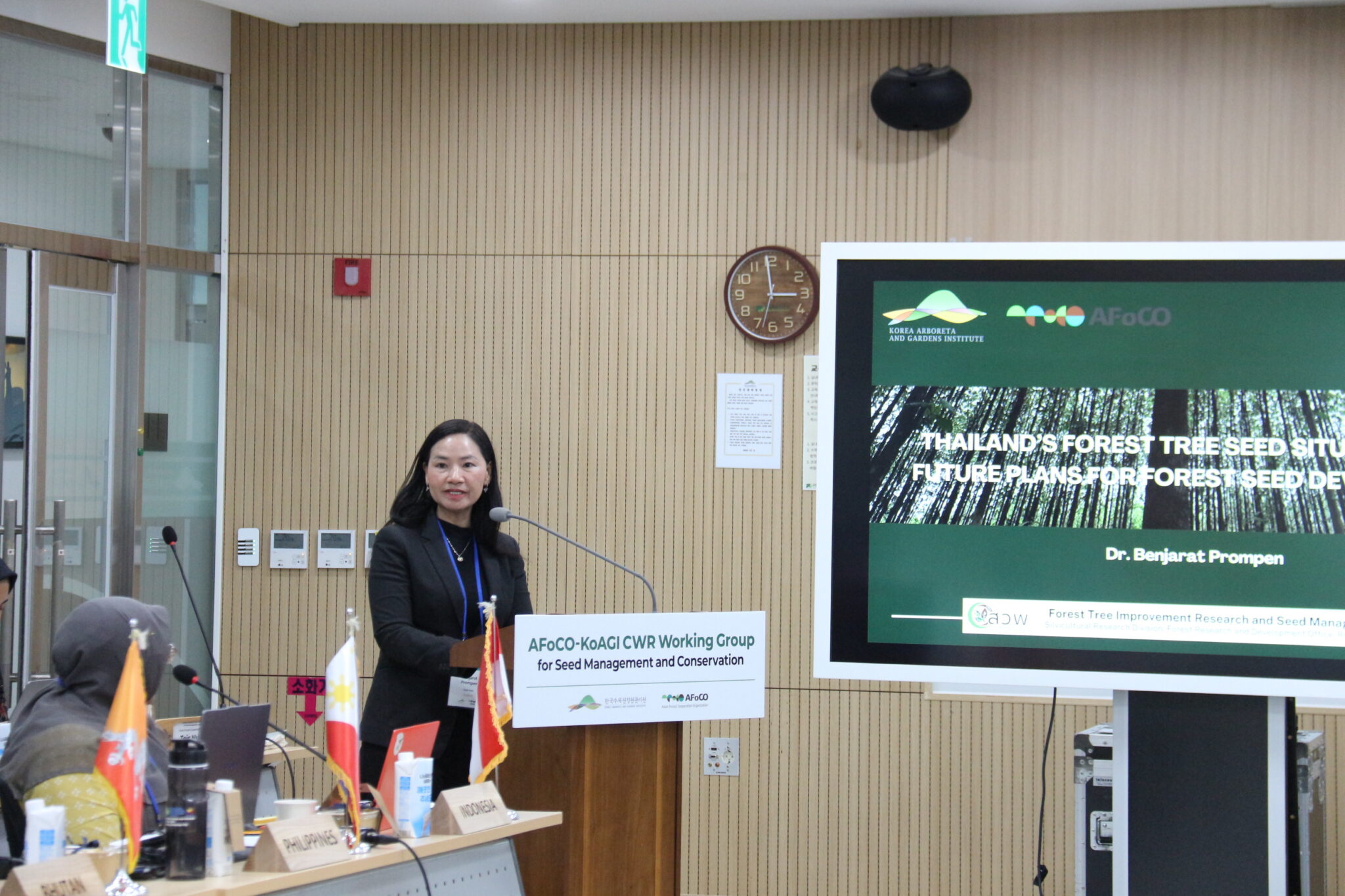
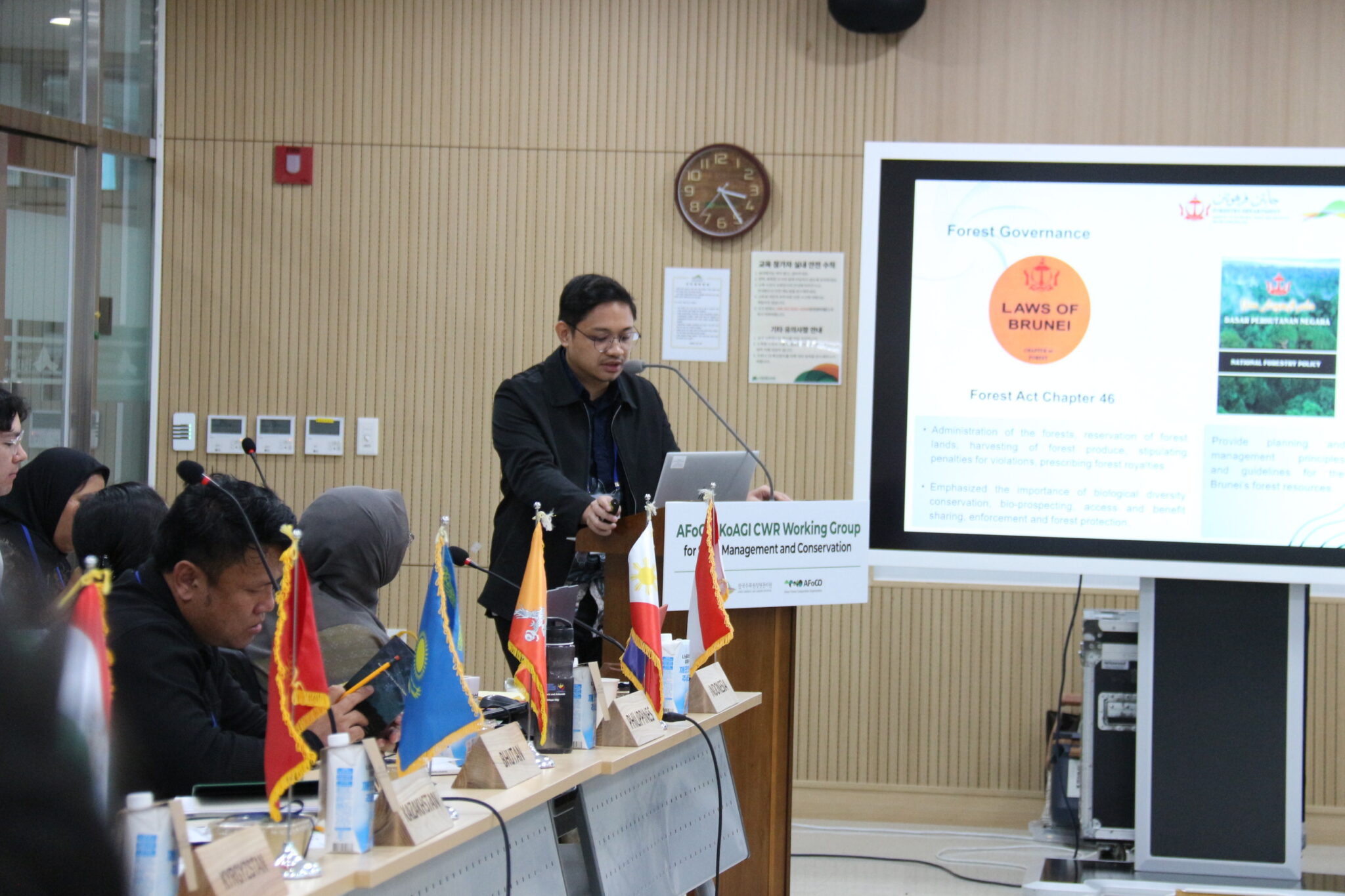
Across the presentations, delegations shared national experiences in forest genetic resources, seed collection and conservation systems, and priority CWR species—ranging from wild relatives of apple, walnut, and pistachio in Central Asia to wild mango, tea, and citrus species across Southeast Asia. Kazakhstan showcased its seed testing laboratories and biotechnology facilities, while the Kyrgyz Republic highlighted its forest seed collection system and years of seed exchange cooperation with the Republic of Korea. Presentations from Tajikistan, Cambodia, and Myanmar highlighted opportunities to further strengthen various aspects of seed conservation infrastructure, technical capacity, and systematic CWR inventories through enhanced regional cooperation and knowledge exchange. Bhutan reported on its rich diversity of over 5,600 vascular plant species and its participation in the Millennium Seed Bank Partnership, while the Philippines and Indonesia presented the roles of national research institutions in advancing seed conservation and the management of plant genetic resources amid exceptionally high levels of biodiversity.
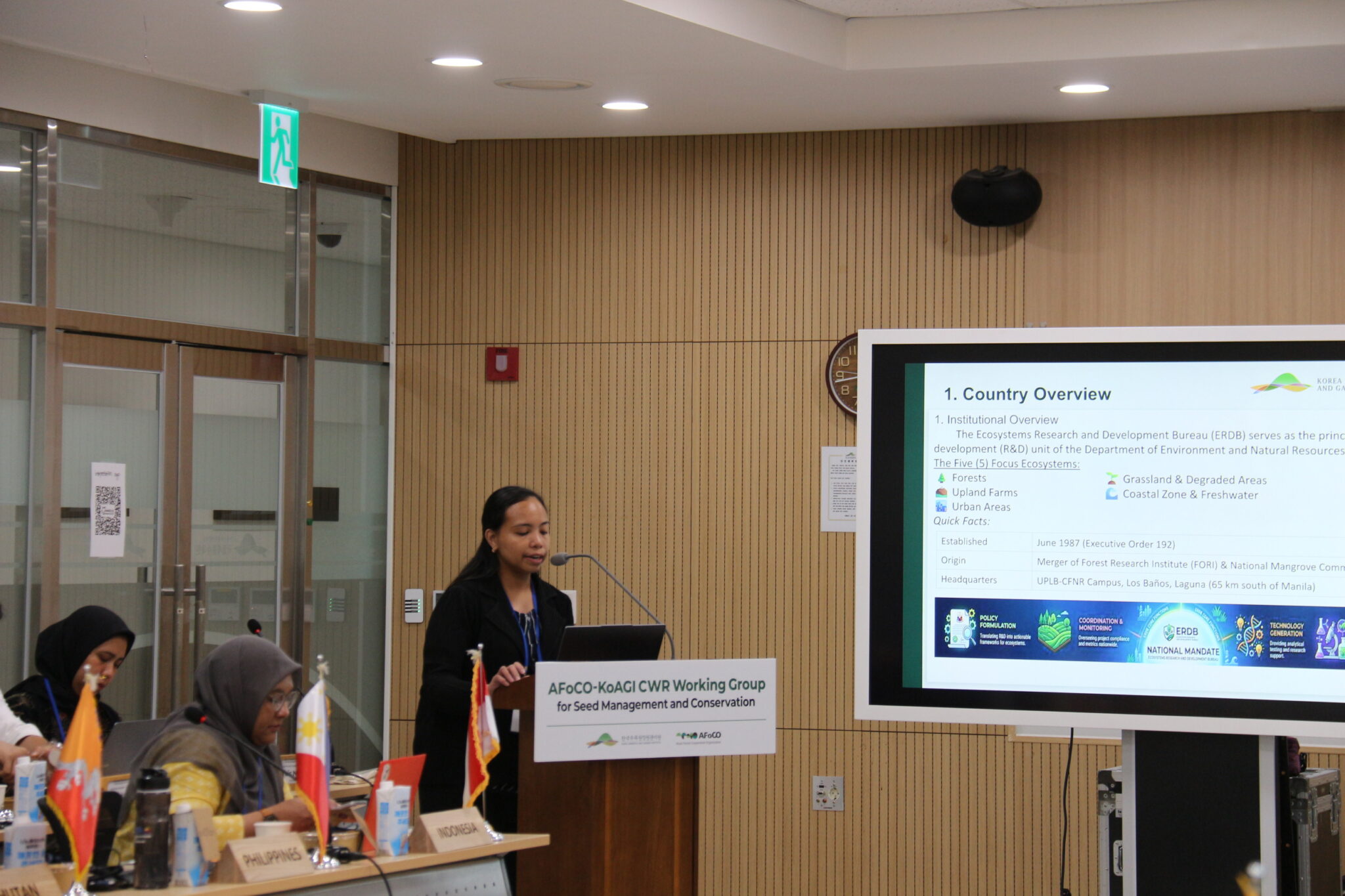
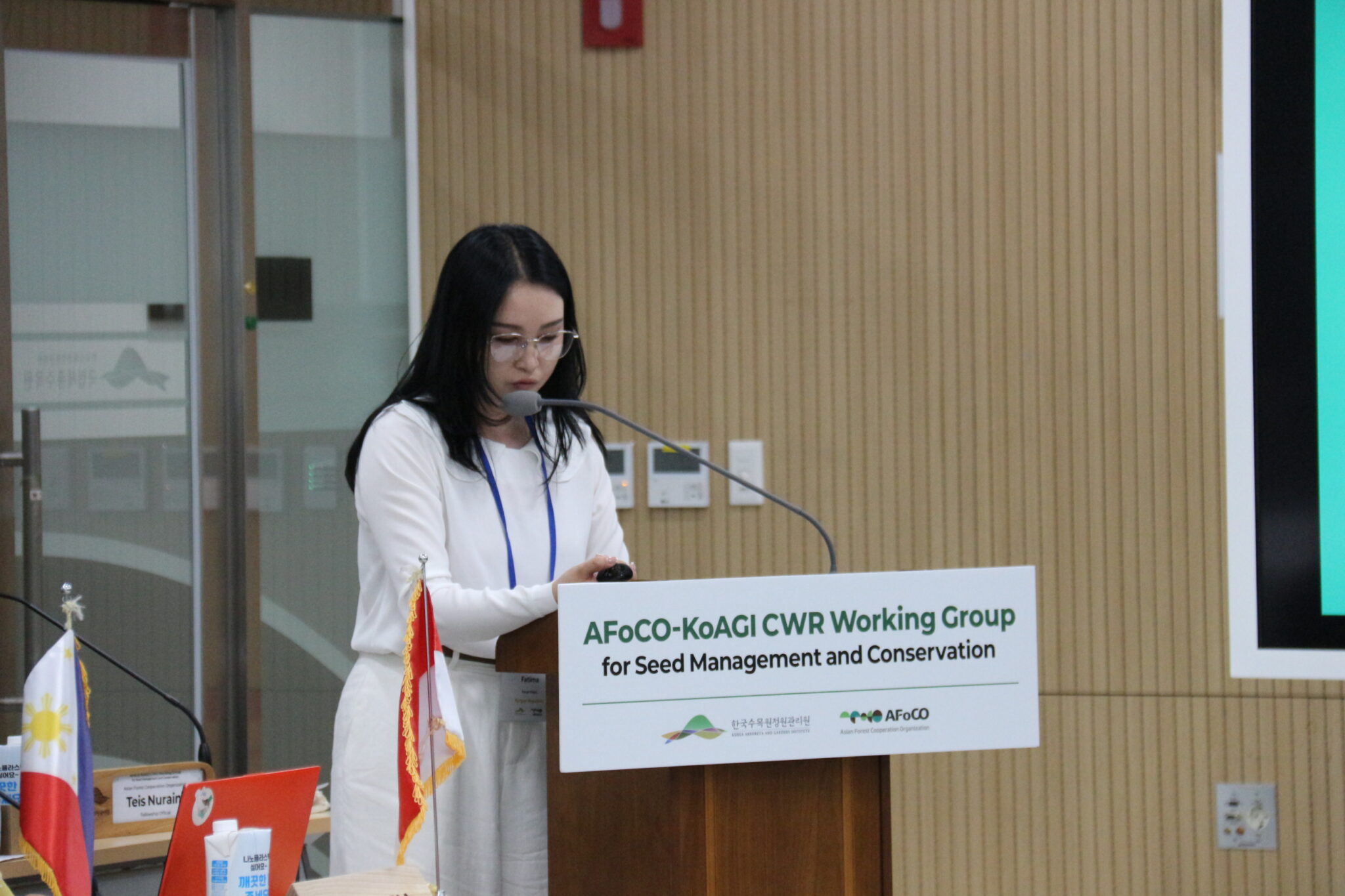
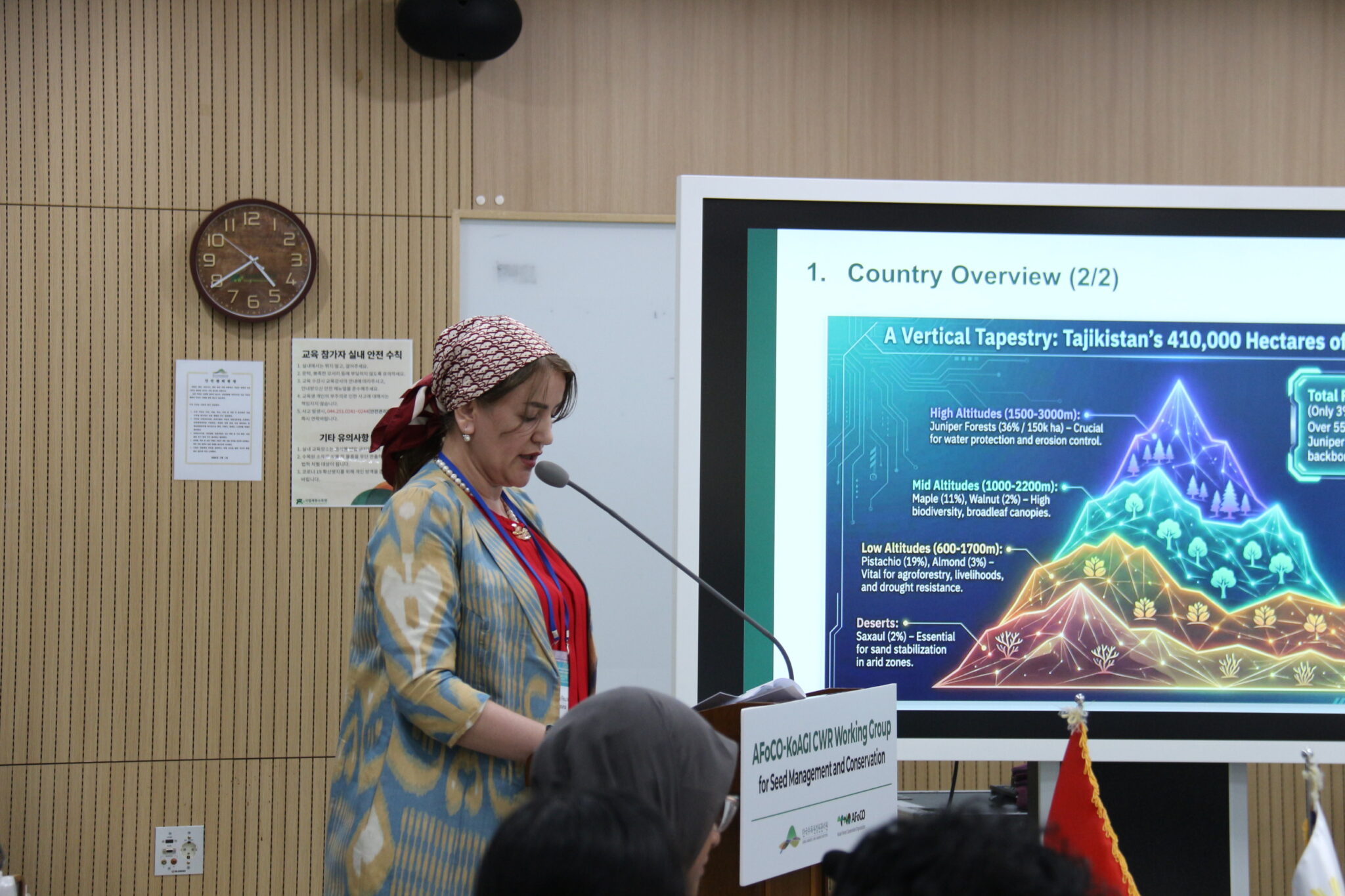
Despite differences in national contexts and capacities, several common priorities emerged across the presentations, including strengthening CWR inventories, expanding seed collection and conservation systems, building technical and institutional capacity, and developing systematic regional cooperation on seed deposits.
Panel Discussion: From Conservation to Collaboration
The meeting’s discussion session on future collaboration and Working Group directions was moderated by Dr. Chae Sun Na of KoAGI and featured international expert panelists from FAO, BGCI, IUCN, John Innes Centre, and Mekong Institute alongside Working Group members.
Panelists offered a range of technical insights and recommendations for the Working Group’s future direction, with discussions converging around several key themes: stronger regional networking, broader stakeholder engagement, closer links between conservation and utilization, sustainable financing, and greater involvement of local communities and farmers.
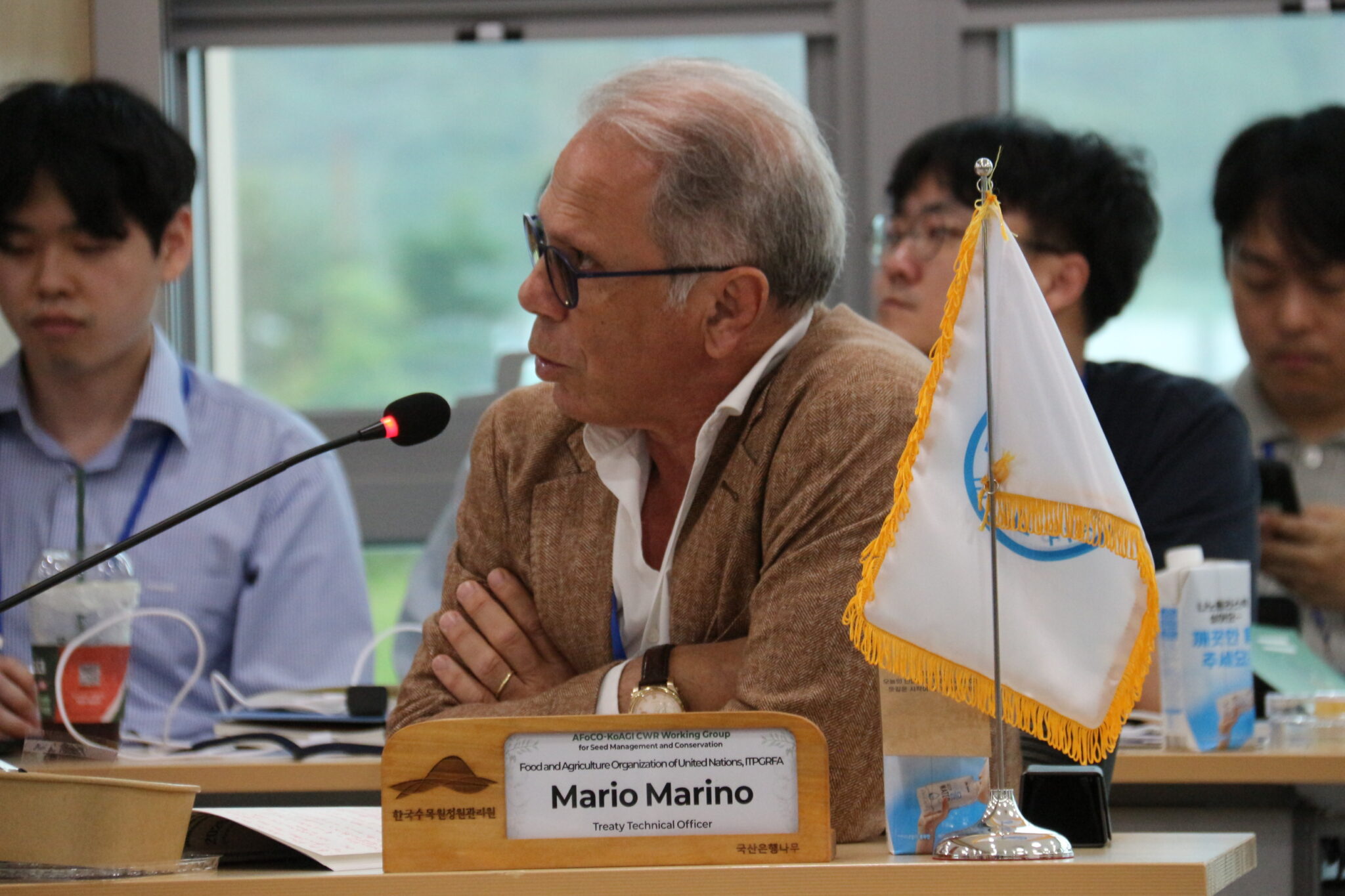
Dr. Mario Marino (FAO) highlighted the potential of the Republic of Korea’s seed conservation infrastructure to serve as a hub for a broader Asian seed network. He emphasized the importance of addressing long-term financial sustainability and expanding participation beyond government institutions to include farmers, the private sector, and academia. He also stressed the need to strengthen connections between ex situ and on-farm conservation, with gene banks serving as a bridge between conserved genetic resources and the farmers who may ultimately benefit from them.
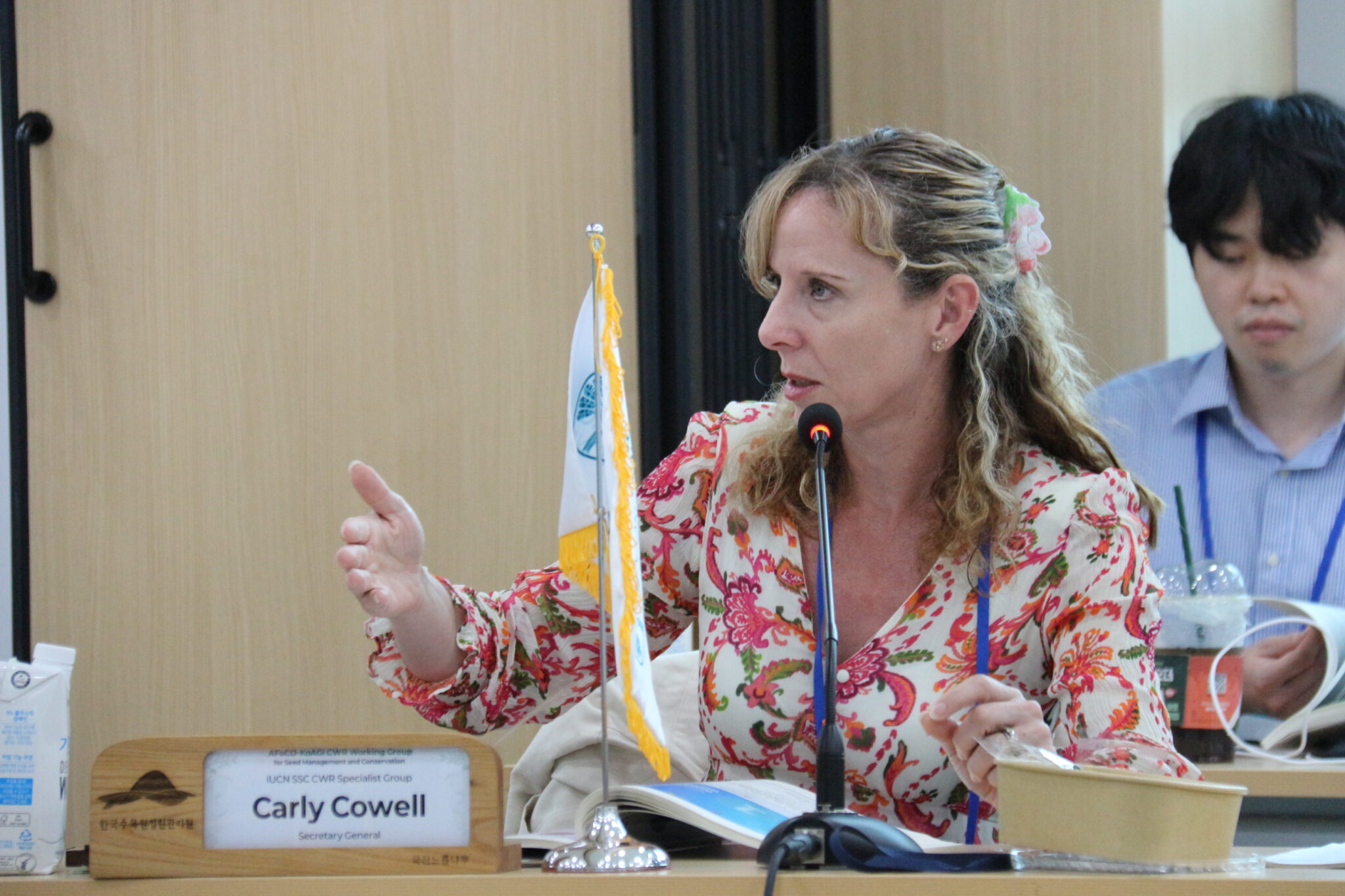
Building on the importance of broader participation and regional networking, Ms. Carly Cowell (BGCI) emphasized the need to engage universities, farmers, and breeders so that material collected and conserved today can ultimately contribute to climate adaptation and breeding programs. Drawing on BGCI’s experience in Central America and the Caribbean, she introduced a capacity-building model combining in-person training, online webinars, and shared communication platforms, suggesting that a similar approach could support regional cooperation on seed banking, seed collection, and data management. She also encouraged consideration of the Standard Material Transfer Agreement (SMTA) as a common framework for sharing plant genetic material.
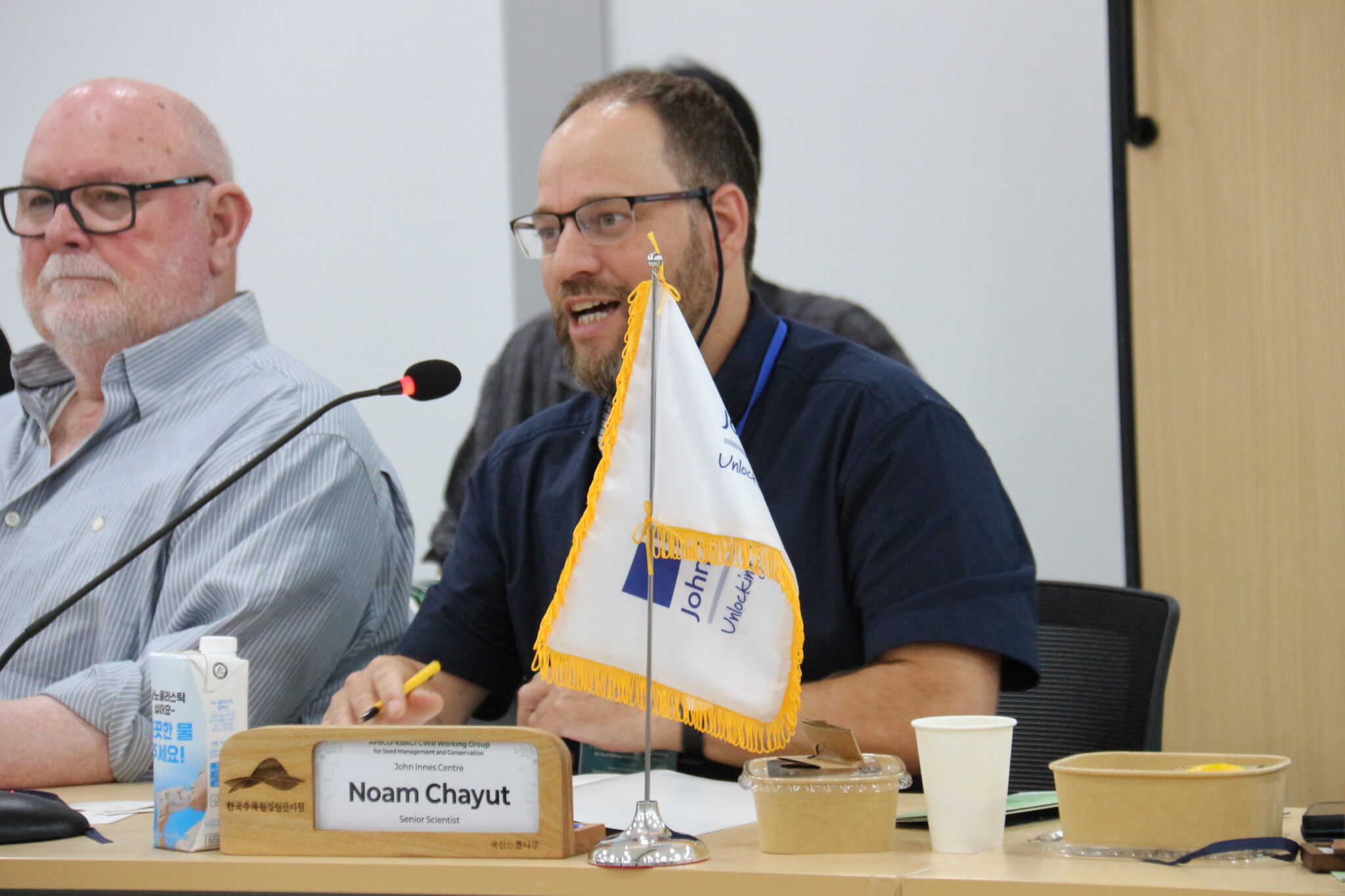
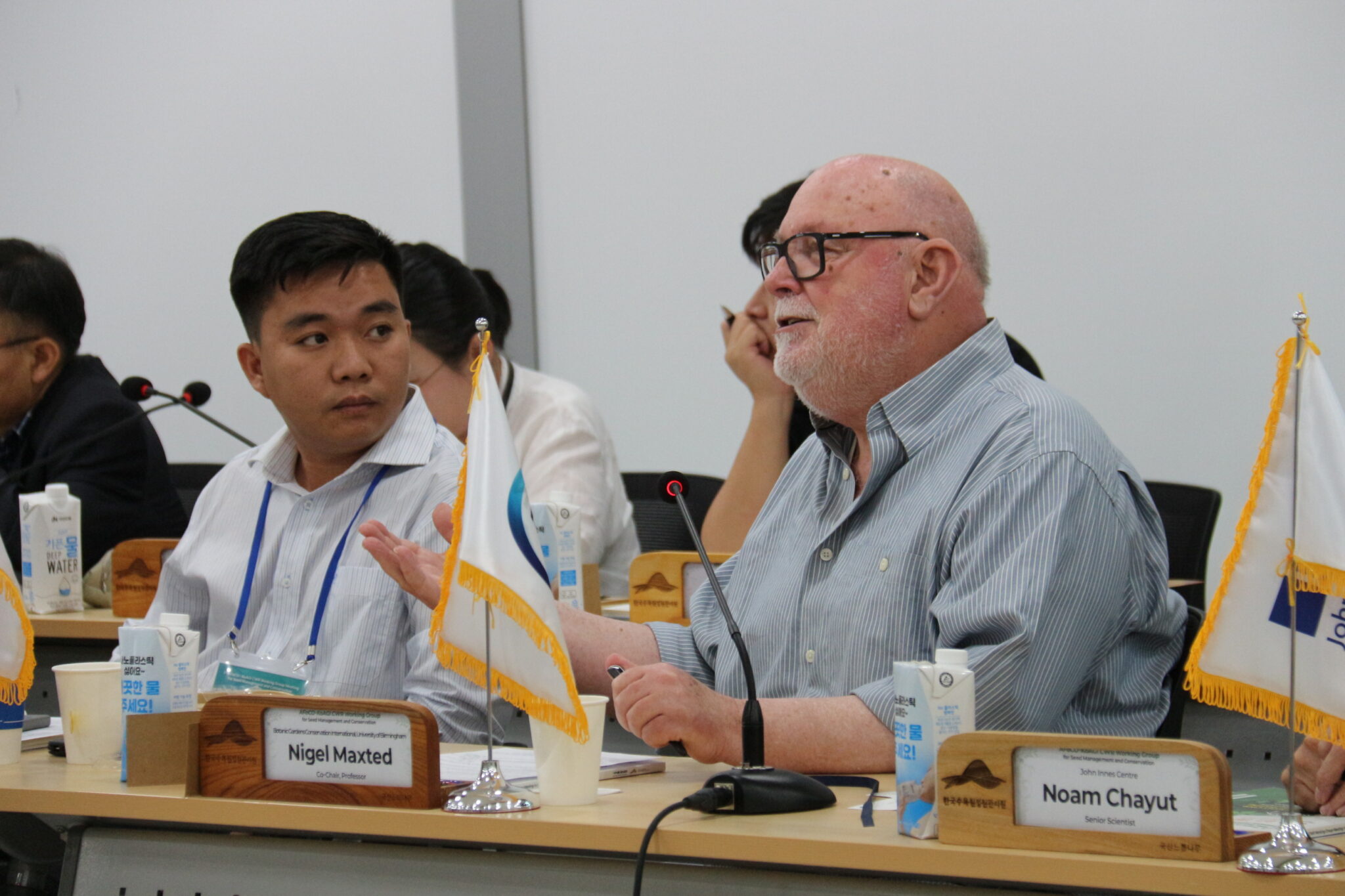
The importance of connecting conservation with practical use was further emphasized by Dr. Noam Chayut (John Innes Centre) and Dr. Nigel Maxted (IUCN & University of Birmingham). Dr. Noam noted that gene banking is a complex and often underestimated undertaking and encouraged Working Group members to openly share practical challenges and specific questions. He stressed that conservation efforts should be accompanied by clear pathways toward utilization, whether for research, breeding, farming, or ecosystem restoration. Dr. Nigel similarly emphasized that demonstrating the practical value of conserved agrobiodiversity is critical to securing sustained policy and financial support. He also highlighted opportunities to connect CWR conservation with community-based approaches, including Other Effective Area-based Conservation Measures (OECMs) and on-farm conservation.
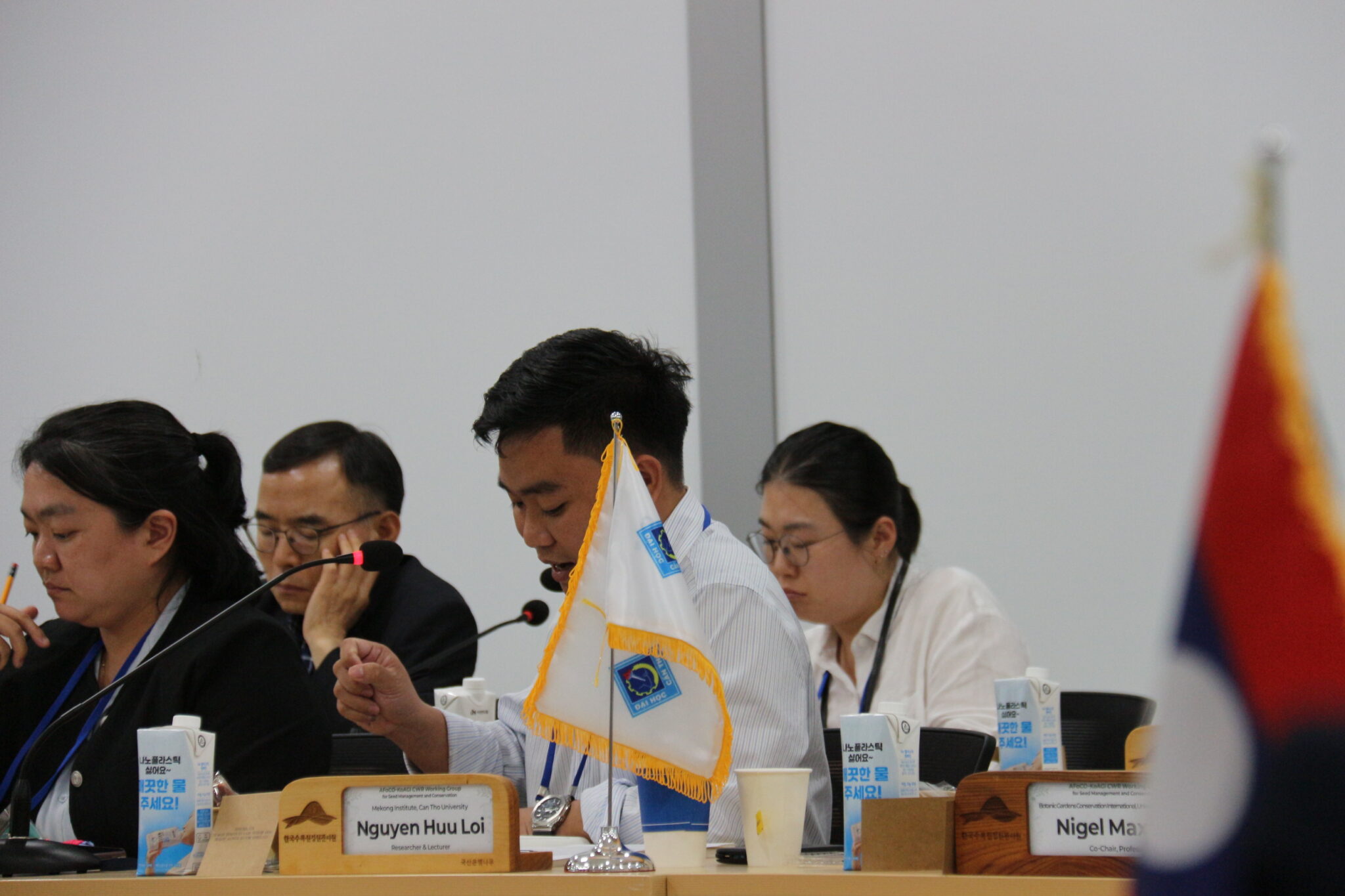
Dr. Nguyen Huu Loi (Mekong Institute and Can Tho University) further emphasized that conservation and utilization should be approached as a continuous process from collection and conservation to characterization, breeding, restoration, and sustainable use. He suggested that the Republic of Korea, as Lead Country, could support the development of standardized data-sharing formats among Member Countries. Drawing attention to Cambodia’s community forestry experience, he also highlighted the importance of traditional knowledge and farmer participation, including opportunities for locally adapted materials to be evaluated and selected under field conditions. He concluded by underscoring the importance of integrating climate resilience into the region’s long-term strategy for CWR conservation and utilization.
Toward a Regional CWR Platform for Asia
The 1st AFoCO–KoAGI CWR Working Group Meeting laid the foundation for a regional baseline on national CWR and seed management systems and identified shared priorities for future cooperation. The Meeting also provided an opportunity to discuss the governance and operational structure of the Working Group and its long-term roadmap through 2030, including pilot Living Lab sites, the first BGSV seed deposits, and the pursuit of international funding opportunities.
As the three-day program continues with an international CWR symposium and technical visits to BDNA and BGSV, the discussions reaffirmed that advancing CWR conservation in Asia will require not only stronger infrastructure and technical capacity, but also sustained regional collaboration among governments, research institutions, international partners, and local communities. AFoCO expresses its sincere appreciation to the KoAGI, all participating Member Countries, international experts, and partner institutions whose contributions and collaboration made the Meeting possible.
Submitted by Kiwon Kim, Program Officer, Capacity-Building and Evaluation Team