
Ulaanbaatar & Lun Soum, Mongolia | August 1, 2025 — From July 28 to August 1, 2025, the Asian Forest Cooperation Organization (AFoCO), in collaboration with World Bank, delivered a localized training program under the World Bank–supported Mongolia Green Resilient Landscapes (GRL) Technical Assistance Project. This session marked the final phase of a capacity-building program that began with a knowledge exchange in the Republic of Korea and a Training of Trainers (ToT) session in Mongolia earlier this year.
The program followed a Training of Trainers (ToT), enabling Mongolian professionals who had completed previous sessions to serve as trainers for local forestry staff and community-based stakeholders. Participants from Arkhangai, Bulgan, Khentii, Khuvsgul, Selenge, and Tuv Provinces engaged in a combination of lectures, hands-on exercises, and intensive fieldwork to strengthen their technical readiness for implementing high-integrity forest carbon projects and sustainable land management practices.
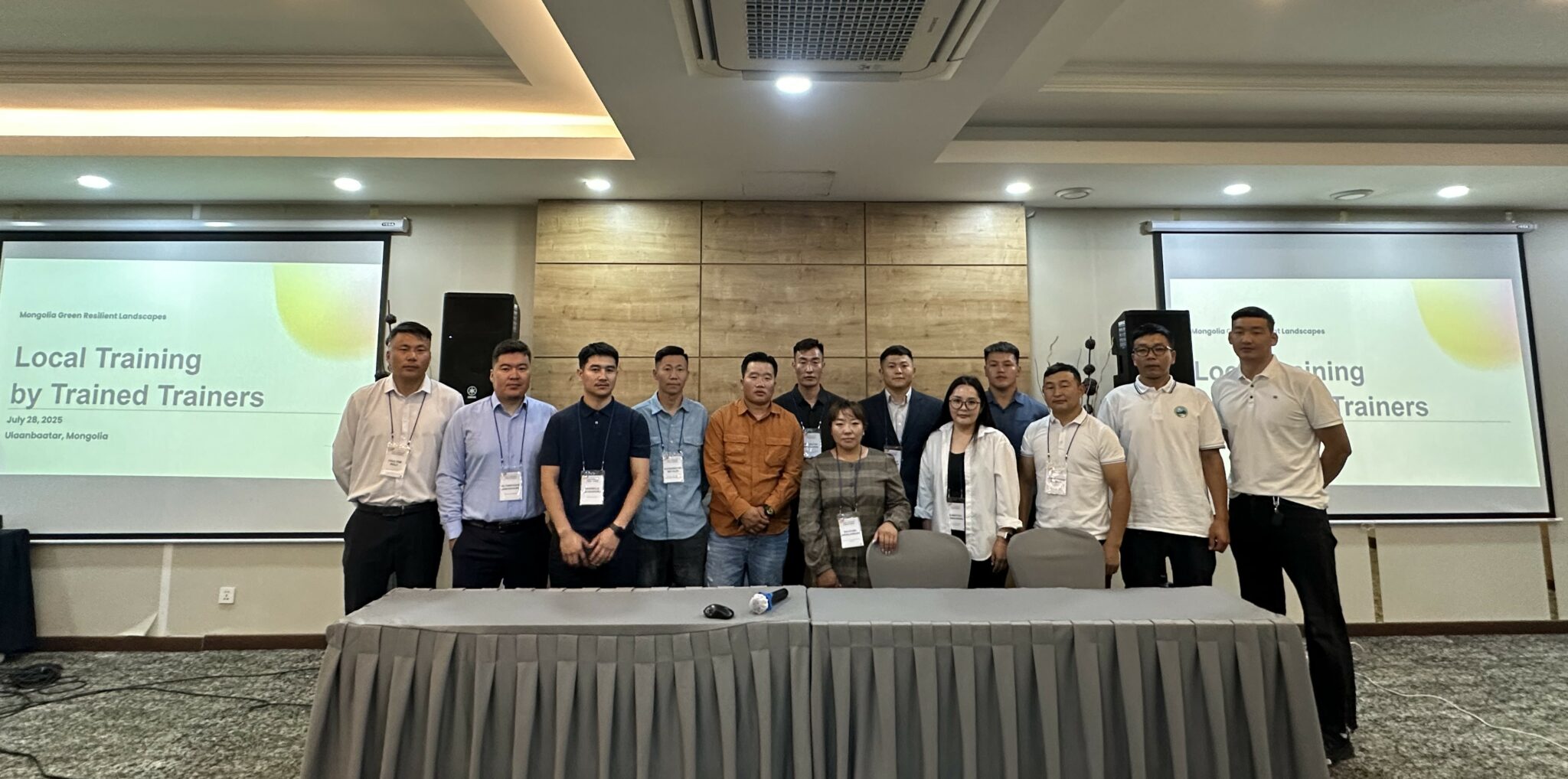
Lecture Sessions in Ulaanbaatar
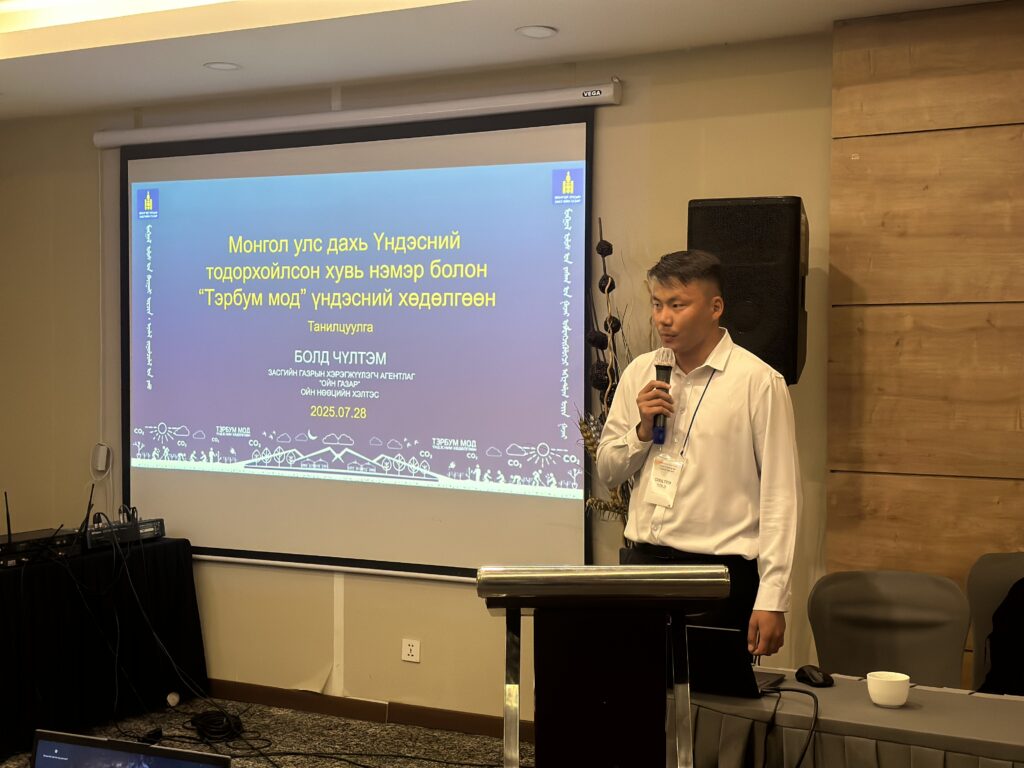
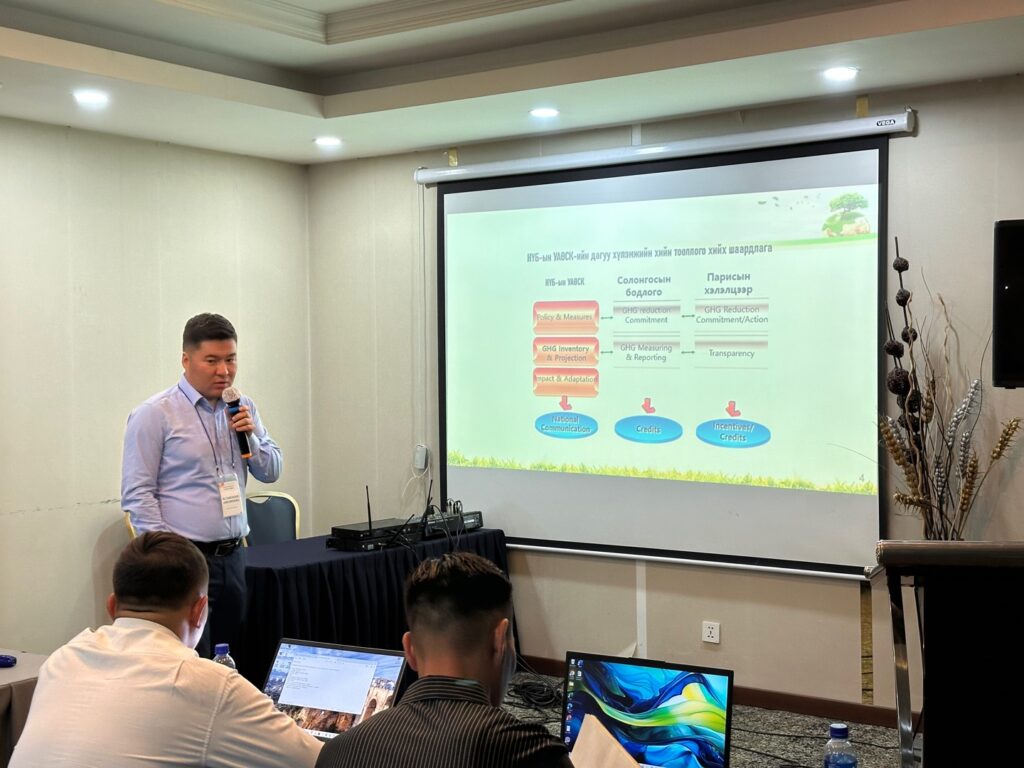
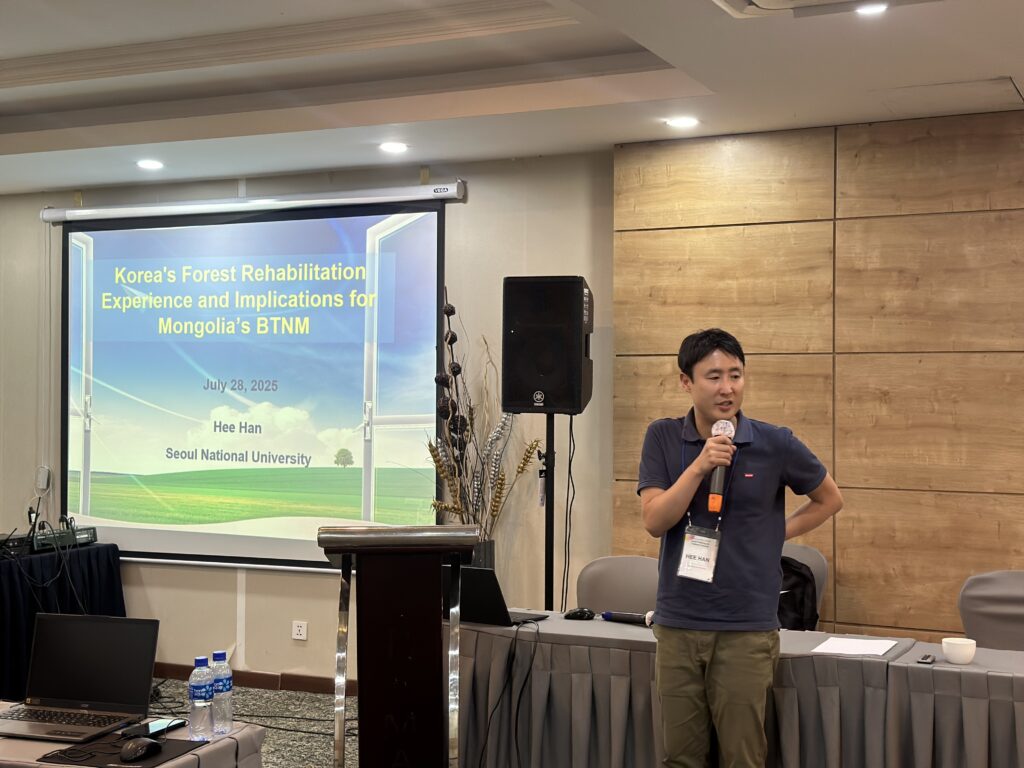
The training program began with brief recap of previous trainings and introduction of participants. The training featured a series of expert-led lectures delivered by trained Mongolian trainers. Mr. Chultem Bold opened with a comprehensive overview of Mongolia’s National Forest Inventory (NFI), forestry targets under the NDC, and the progress of the Billion Trees National Movement (BTNM). Mr. Altangadas Janchivdorj shared insights into forest carbon measurement practices in Korea, offering lessons for Mongolia. Prof. Hee Han from Seoul National University also provided an in-depth look at Korea’s forest rehabilitation experience and its implications for BTNM.
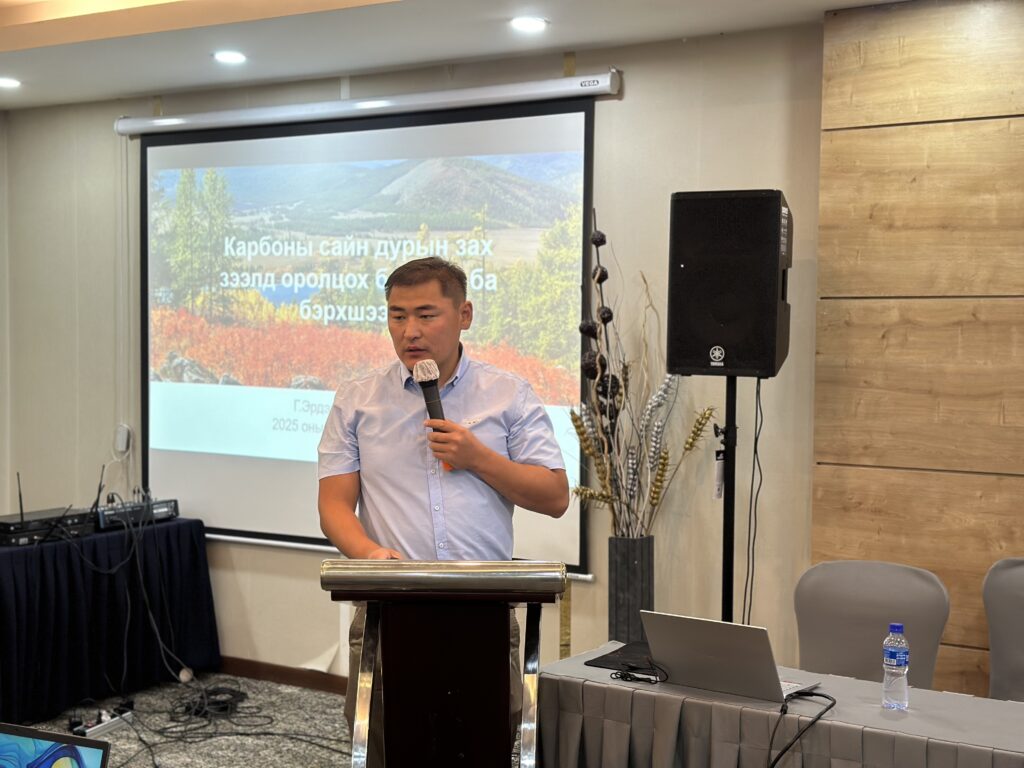
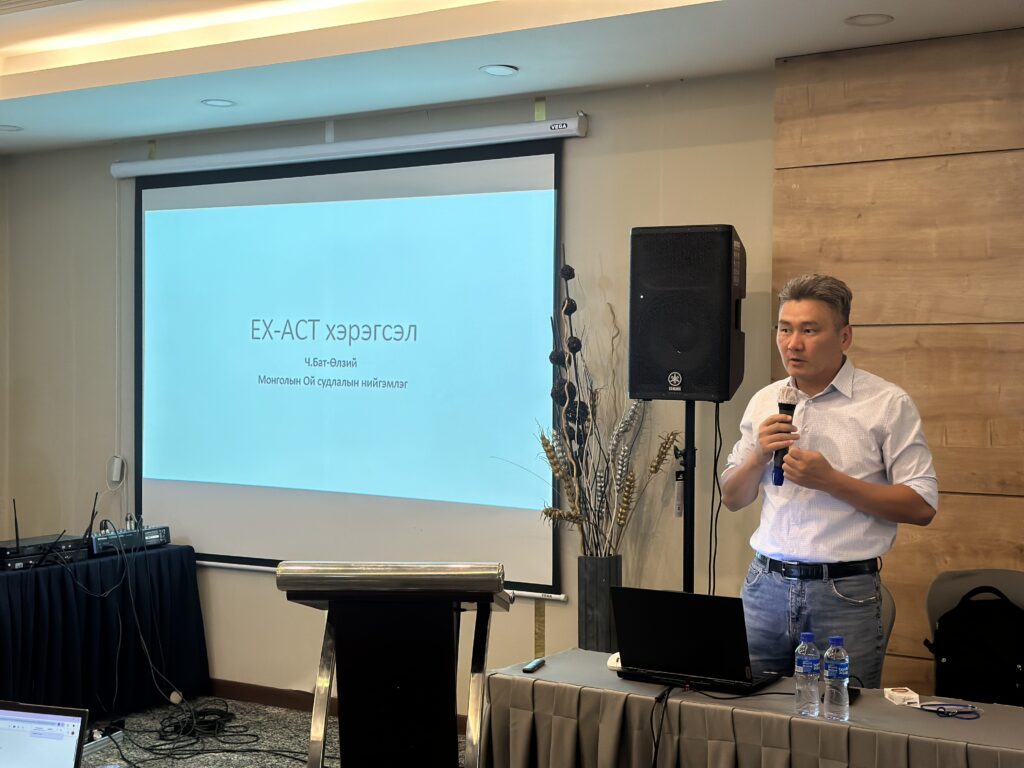
On the second day, Mr. Erdenetsolmon Ganbaatar gave a lecture on the voluntary carbon market and the application of Verra’s VM0047 methodology. Mr. Bat-Ulzii Chultem followed with a demonstration of the EX-ACT tool and guided participants through hands-on exercises on afforestation, agroforestry, riparian forest restoration, and livestock-related emissions.
Field Practice in Lun Soum
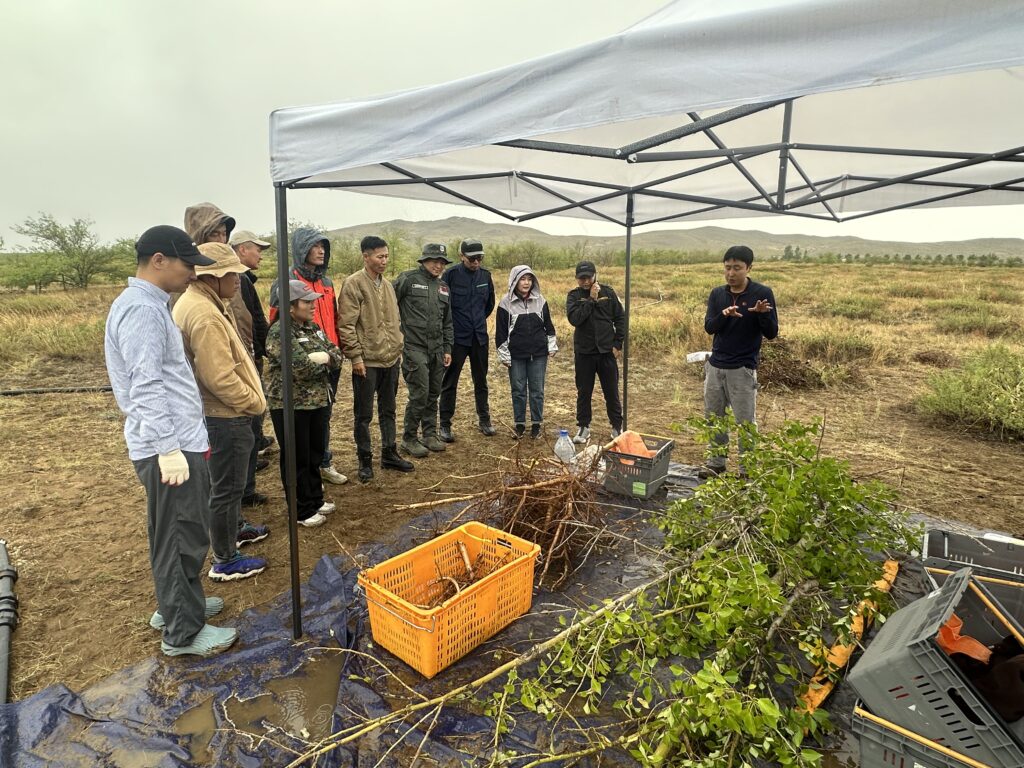
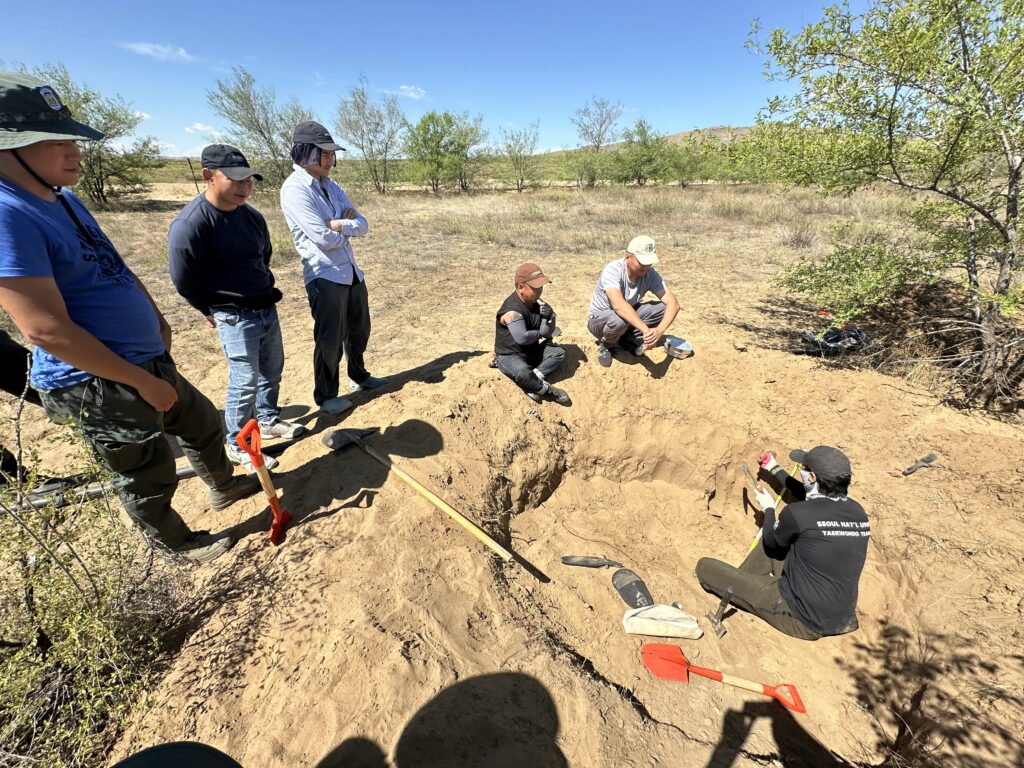
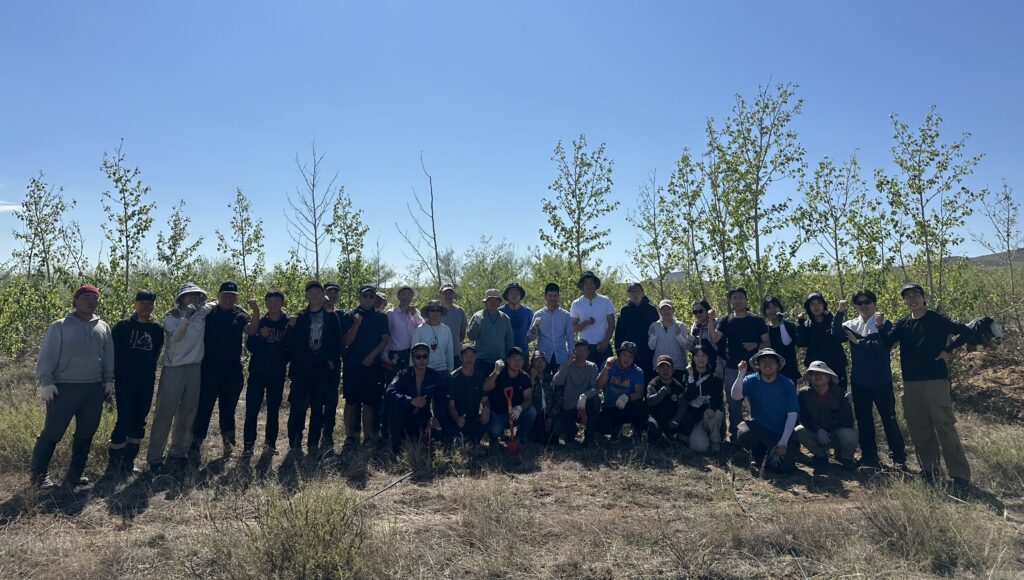
From July 30 to August 1, the participants traveled to Lun Soum, Tuv Province, for intensive field practice. Led by Prof. Hee Han, the trainees carried out biomass measurements of Ulmus and Populus species and conducted soil sampling exercises. The field session offered participants practical experience in forest carbon assessment and reinforced the methodologies introduced during the lectures.
Strengthening Mongolia’s Carbon Readiness
This localized training aimed to institutionalize the knowledge and practical skills acquired during earlier phases by empowering Mongolian professionals to serve as local trainers. By applying the “training of trainers” model, the session contributed to the successful replication of training programs in targeted regions and enhanced the technical capacity of local forestry staff and community-based stakeholders. The training also fostered increased engagement and ownership of regional actors, while supporting the establishment of a localized system to sustain forest carbon measurement and sustainable land management practices. Ultimately, this effort strengthens Mongolia’s ability to meet the goals of the Billion Trees National Movement and broader climate initiatives.
Participants share insights on the impact of the training on their work in local forestry and carbon projects
Contributed by Hyemin Yoon, Intern, Strategic Planning Team, AFoCO