
The first week of the 2nd Training of Trainers on Forest Fire Suppression in Peatland, held at IPB University, Indonesia, focused on building a comprehensive foundation that integrates strategic understanding, scientific analysis, and advanced practical application. Through a structured program combining lectures, analytical frameworks, and simulation-based training, participants progressed from high-level policy perspectives to operational fire response tailored to peatland environments.
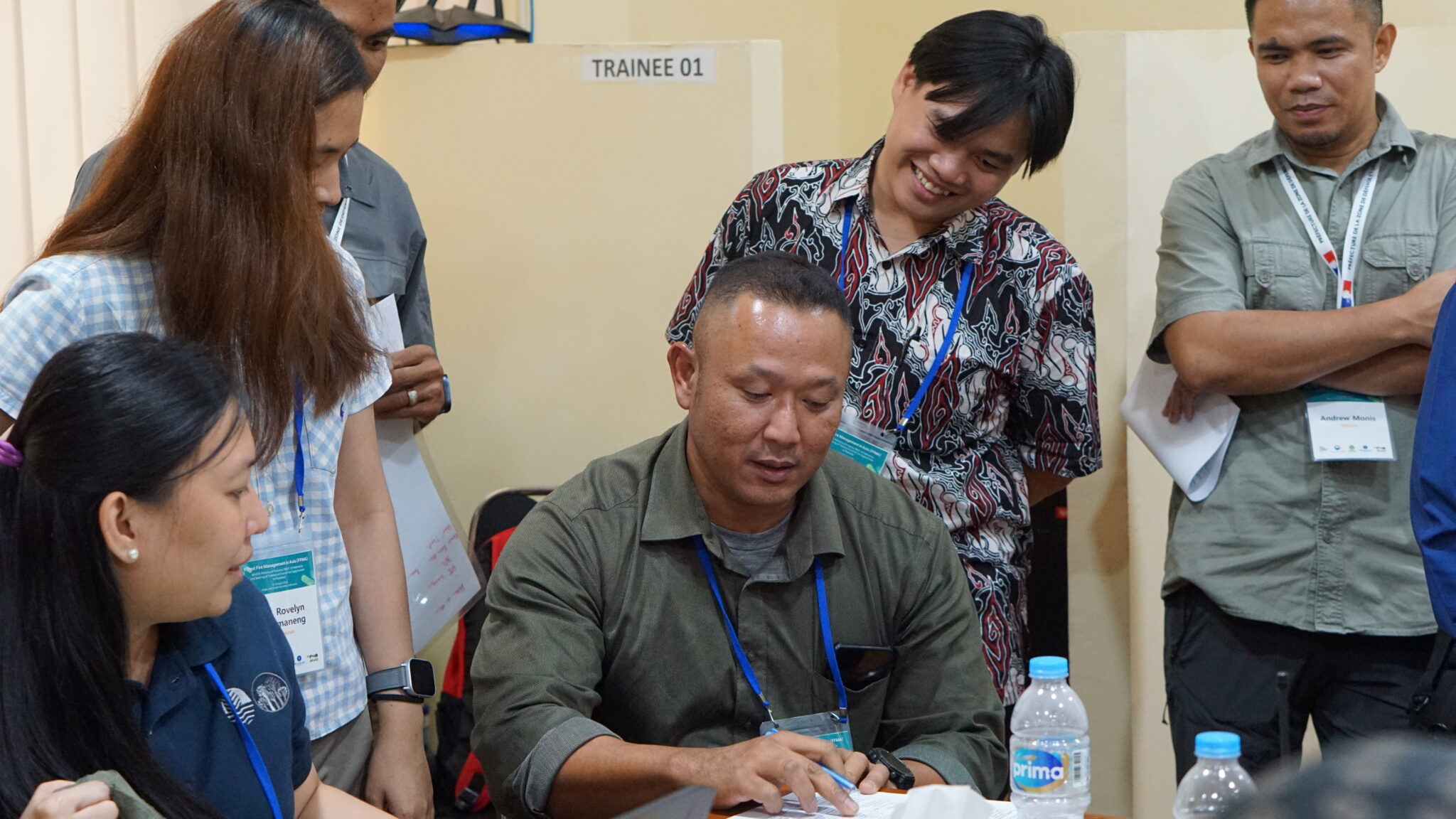
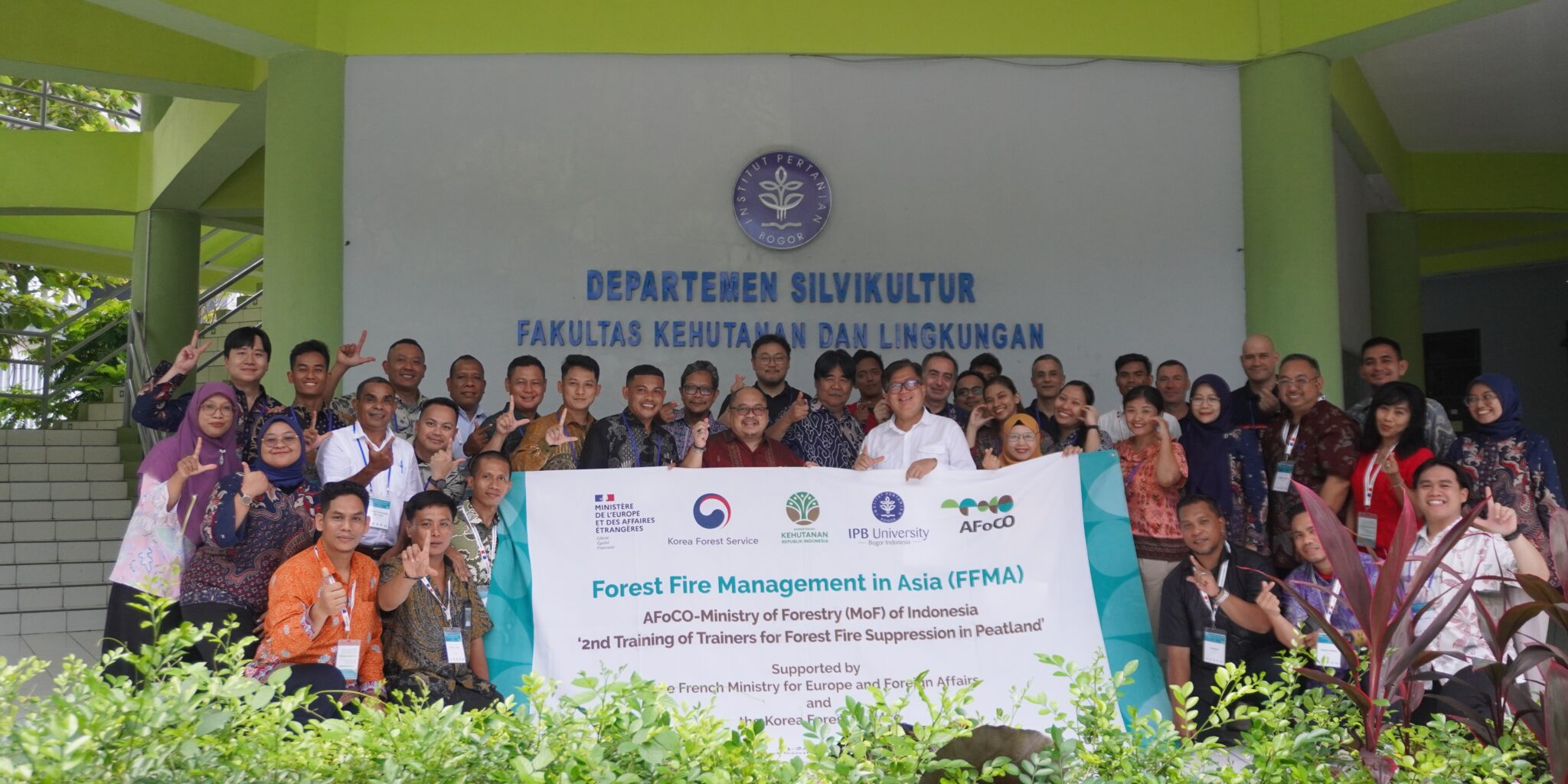
Bringing together 23 participants from six (6) AFoCO Member Countries including Brunei Darussalam, Cambodia, Indonesia, Malaysia, the Philippines, and Timor-Leste, along with expert trainers from France, the Republic of Korea, and Indonesia the training demonstrated a collaborative and practice-oriented model of regional capacity building.
Understanding Peatland Fires: Ecosystem Complexity and Management Approaches
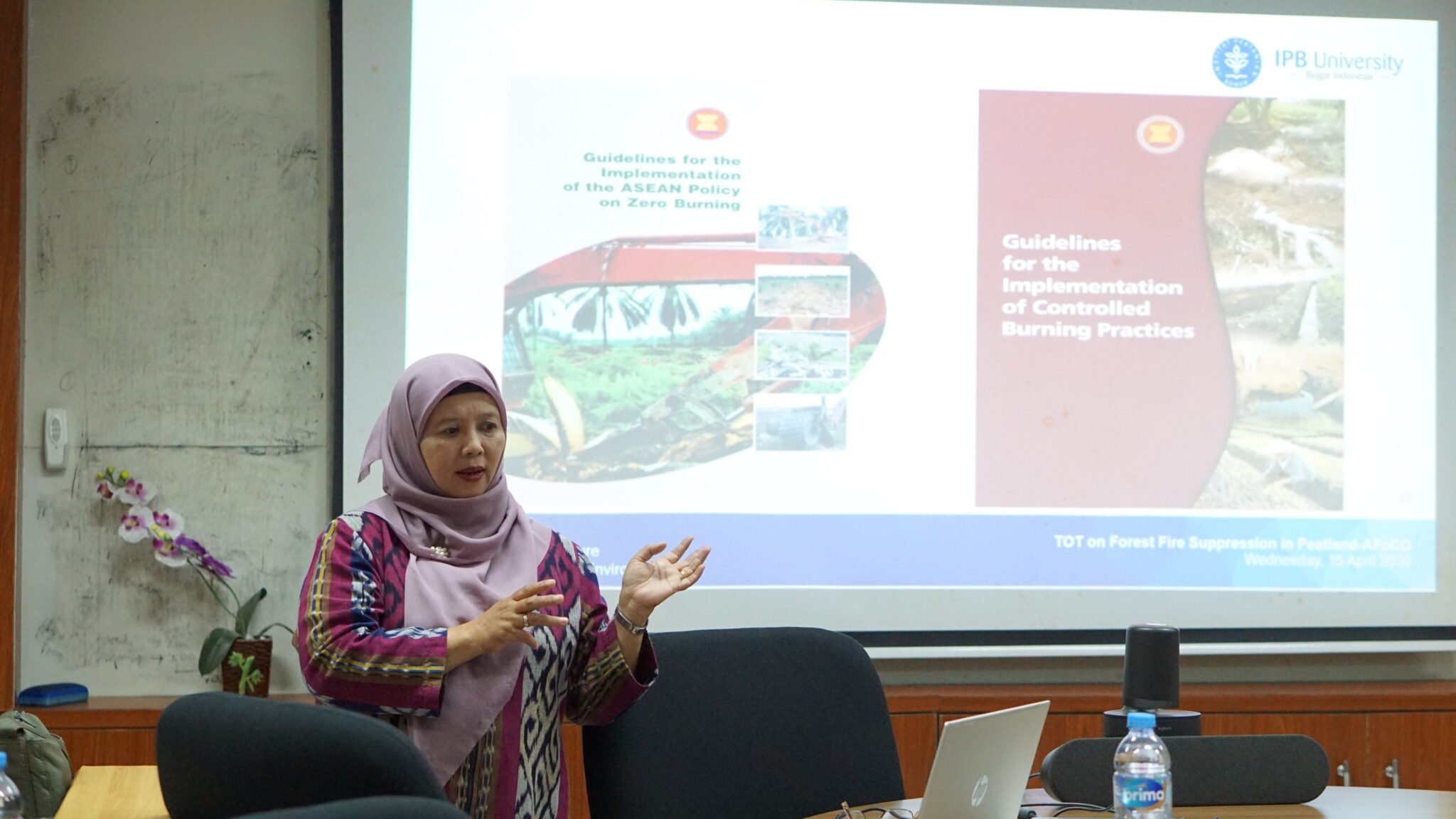
The first week began with a strong emphasis on the unique characteristics of peatland fires, recognizing their fundamental differences from surface forest fires. Participants explored the nature of underground smouldering combustion, long-duration burning, and the challenges associated with detection and suppression in peatland ecosystems.
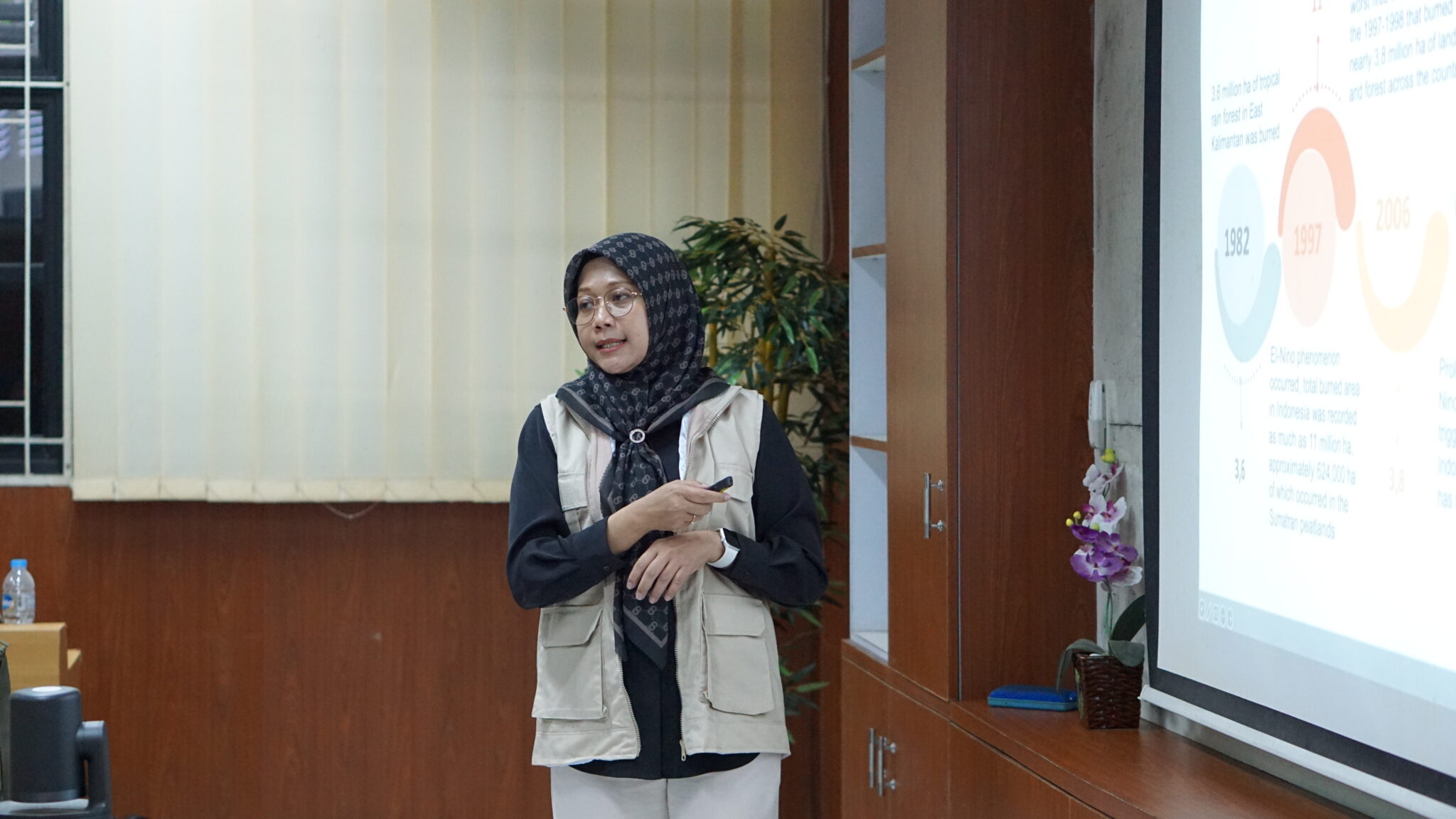
Experts from IPB University provided critical scientific and contextual insights into these dynamics. The sessions examined the linkages between peatland fires and global climate change, highlighting the role of peatlands as major carbon reservoirs and the significant emissions released when they are degraded and burned. In addition, the lectures addressed peatland fire management strategies, with a focus on hydrological control, land-use regulation, and ecosystem-based prevention approaches tailored to peatland conditions. Participants were also introduced to fire danger rating systems, which integrate environmental and climatic variables to assess fire risk levels and support early warning and preparedness.
Together, these sessions provided a comprehensive understanding of peatland fire systems, covering climate-related drivers, ecosystem processes, risk assessment, and management strategies, while effectively linking scientific knowledge with practical approaches for peatland fire management.
Fire Analysis and Prediction: Building a Scientific Basis for Decision-Making
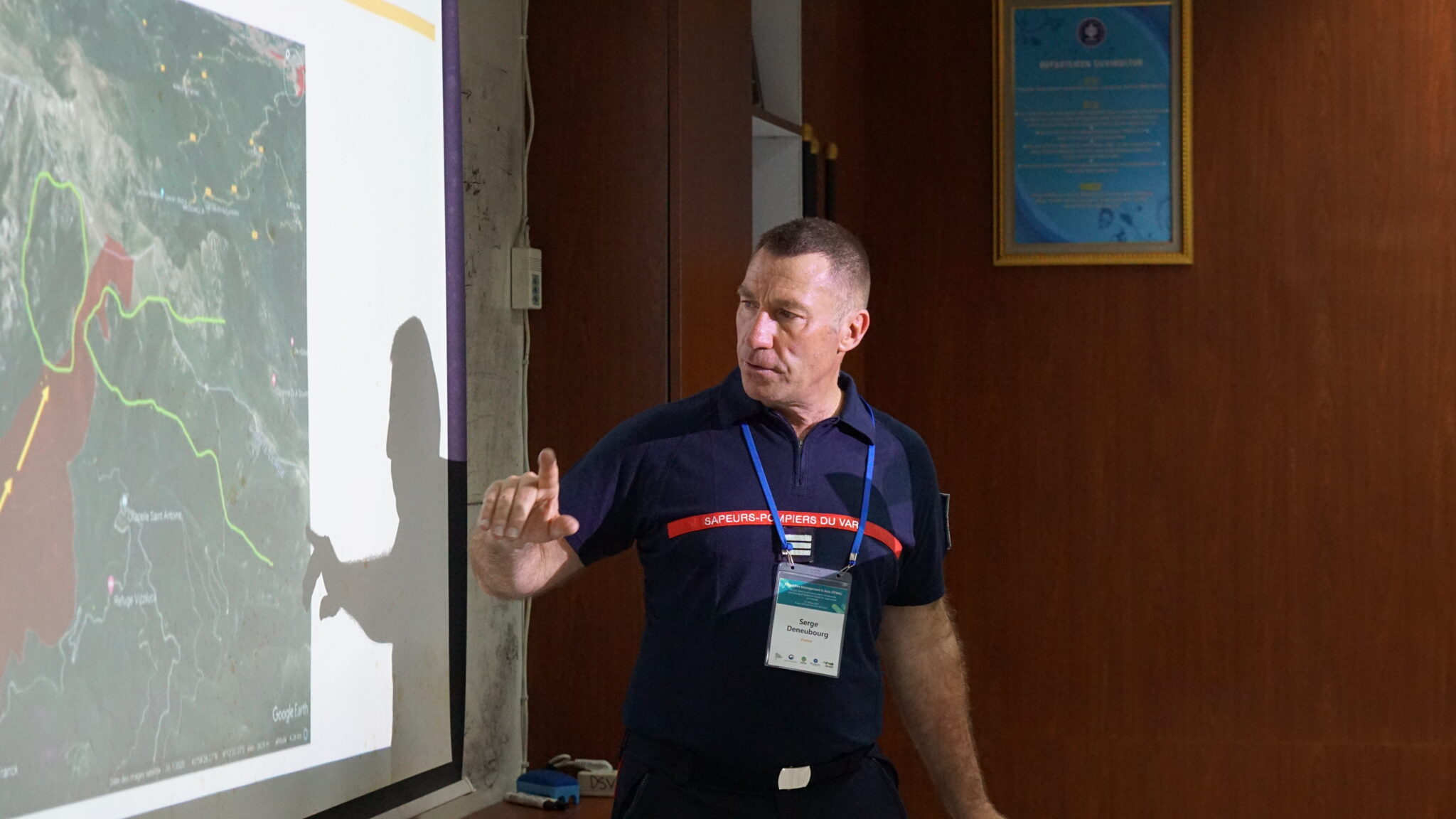
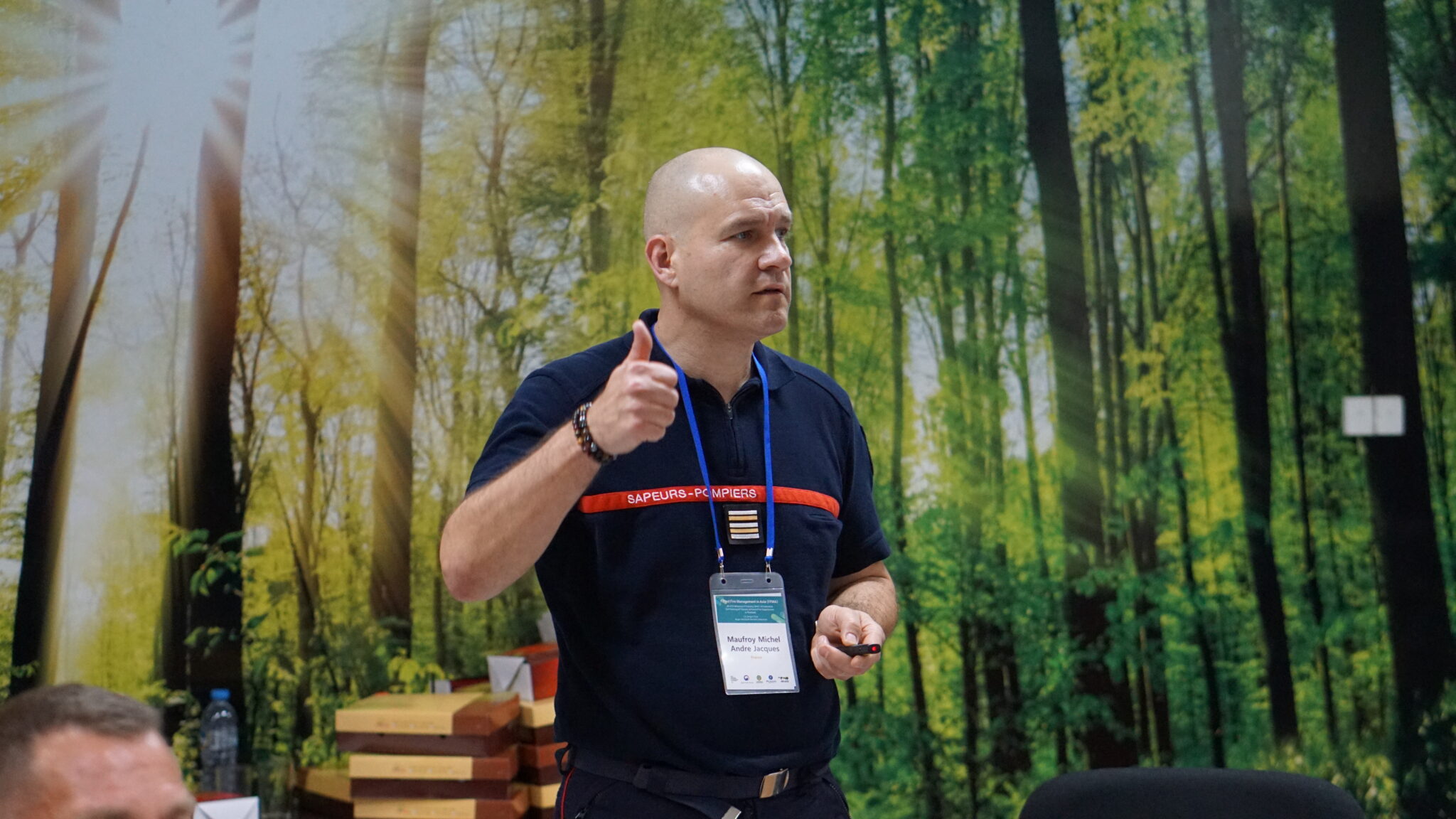
Complementing the ecosystem-focused sessions, French experts delivered a series of modules focused on fire behavior analysis and prediction, providing participants with a structured framework to understand and anticipate forest fire dynamics. At the core of the training was the concept of the fire behavior triangle, which explains how fire spread is driven by the interaction of fuel, weather, and topography. Participants examined how variations in these factors influence fire intensity, direction, and rate of spread, forming the scientific basis for operational decision-making.
The sessions further introduced different fire spread patterns, including topography-driven, wind-driven, and convective fires, demonstrating how fire behavior changes depending on dominant environmental drivers. Analytical tools such as the Campbell Prediction System were used to assess the alignment of environmental forces, while the Fire Weather Index (FWI) provided a framework for evaluating fire risk based on meteorological conditions. Particular attention was given to peat and underground fires, which present unique challenges due to their slow, persistent spread and low-oxygen combustion processes. Through these modules, participants developed the ability not only to understand fire behavior but to anticipate fire evolution and prioritize response strategies based on predictive analysis.
Integrating Systems and Operations: The Republic of Korea’s Approach
The Republic of Korea delivered lectures highlighting a system-driven approach to forest fire management, integrating real-time monitoring, rapid response, and coordinated operations under a centralized command structure. Participants were introduced to how wildfire situations are managed through the integration of GIS-based information, drone and CCTV monitoring, and rapid reporting systems, enabling timely decision-making and deployment.
The sessions also emphasized the coordinated use of aerial and ground resources, including helicopters and specialized fire crews, to support rapid initial response, particularly in mountainous terrain. A key component of the training focused on wildfire cause investigation, demonstrating how analysis is conducted alongside suppression efforts. Participants learned practical techniques for identifying ignition points and interpreting fire spread patterns, including V-shaped progression and field-based indicators, to determine fire origin and direction.
Together, these sessions illustrated how Korea’s approach combines operational coordination, field-based investigation, and data-driven analysis into an effective and integrated forest fire management system.
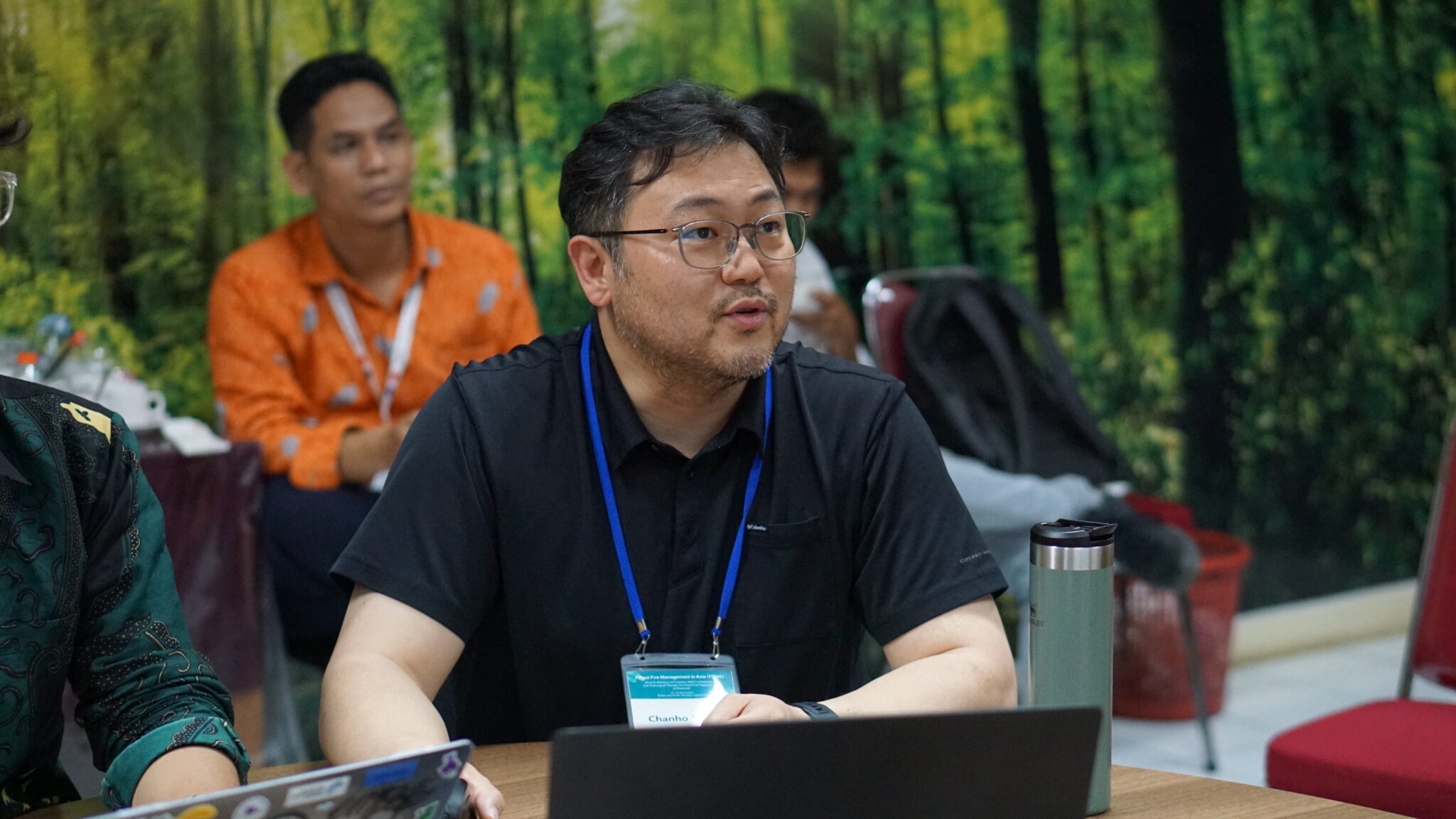
From Analysis to Action: Simulation-Based Fire Response Training
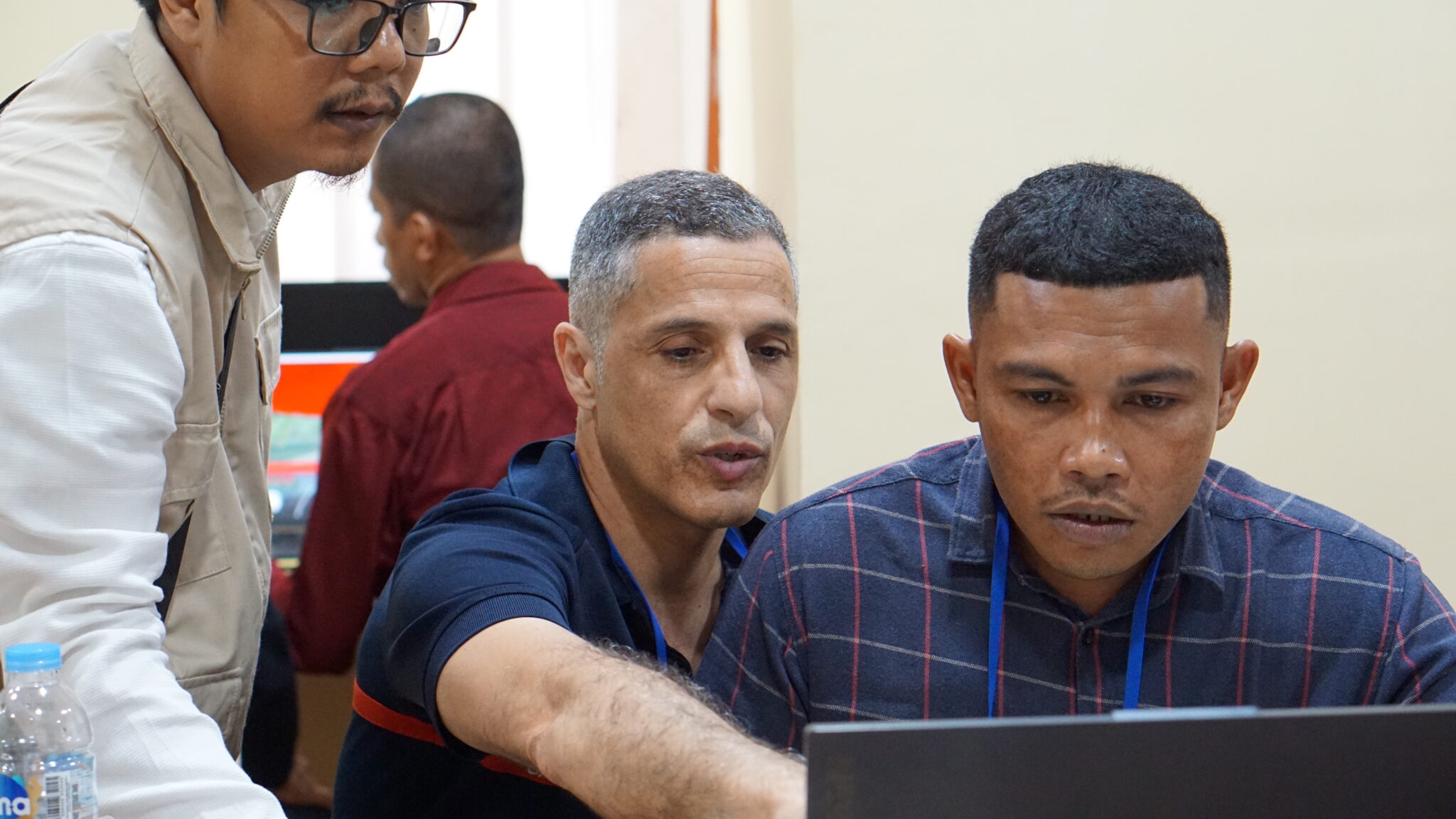
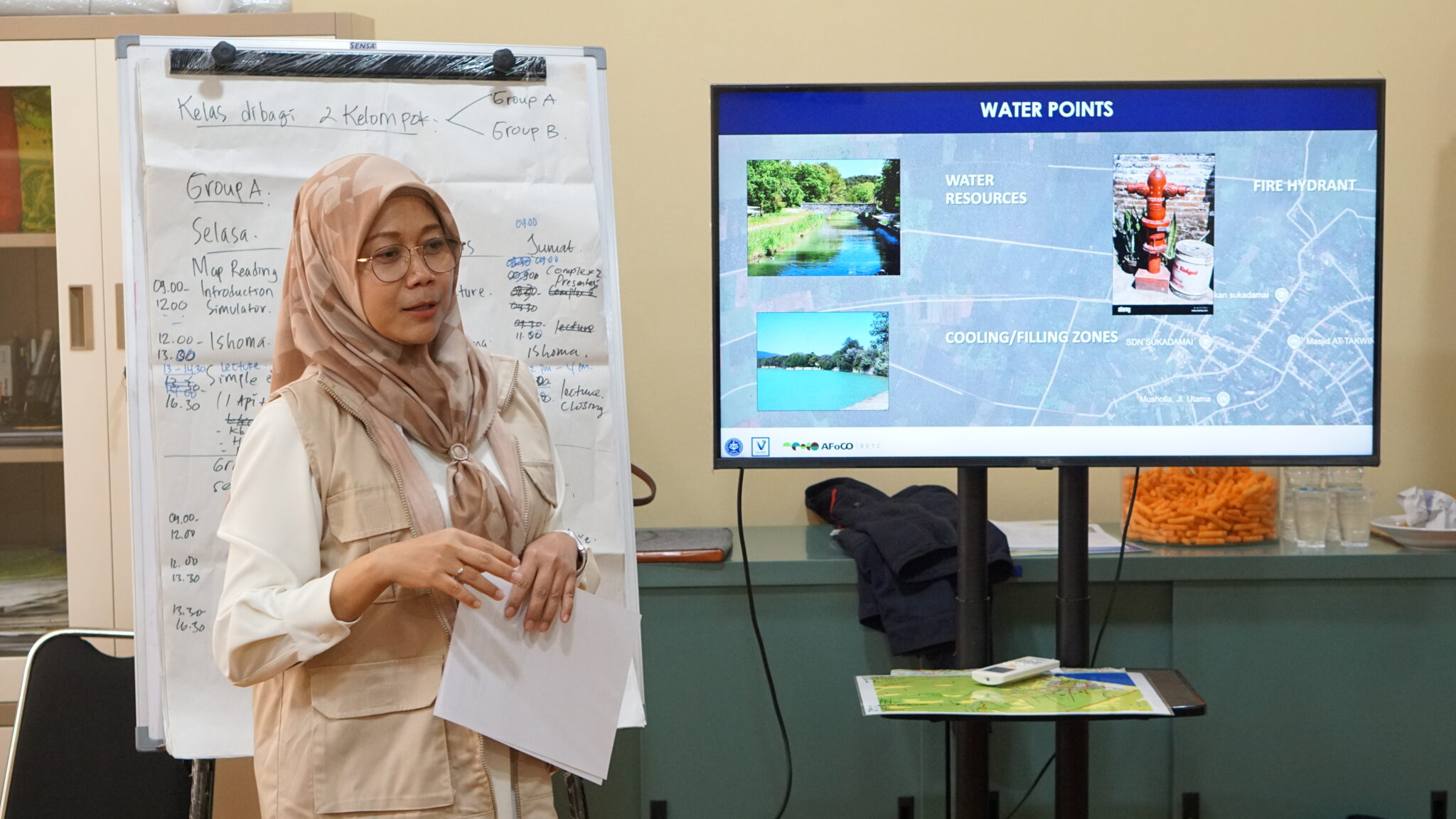
The first week concluded with intensive simulation-based training, allowing participants to apply theoretical knowledge in highly realistic wildfire scenarios. Using advanced tools such as the CRISS (Crisis Simulation System) platform, alongside computer-based fire simulators, topographic maps, and VR wearable equipment, participants were immersed in dynamic operational environments where conditions evolved rapidly and required immediate assessment and coordinated action.
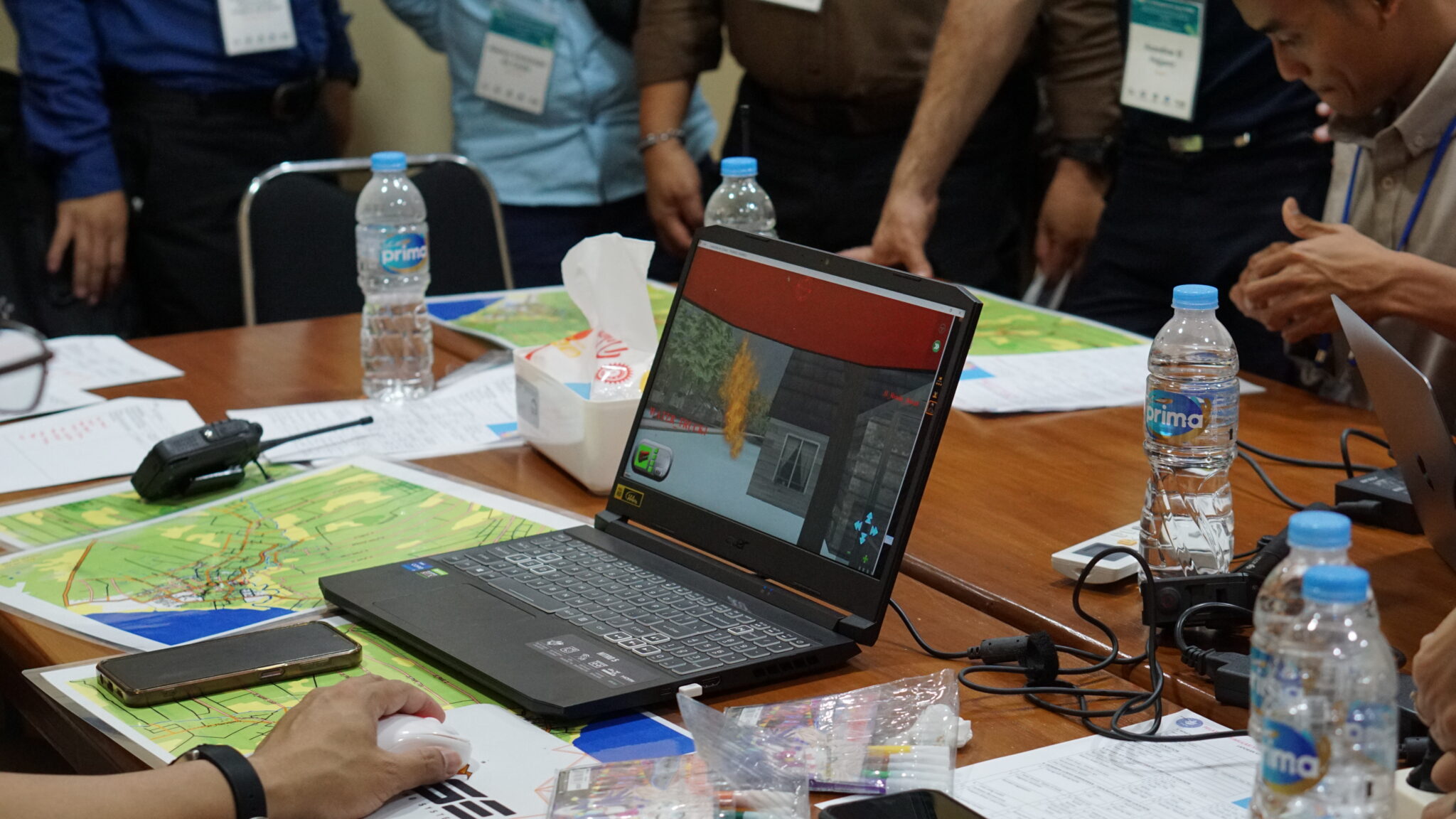
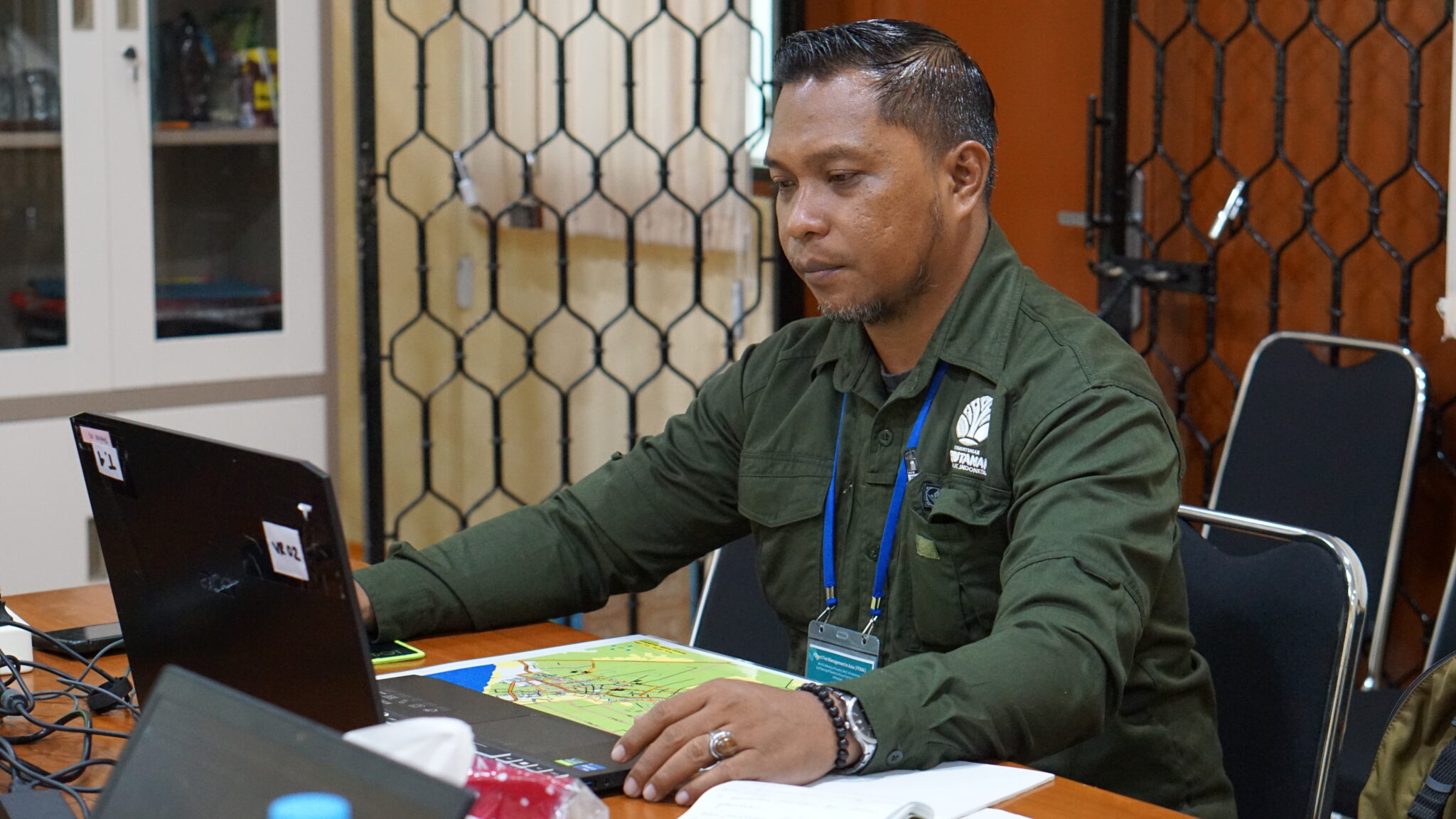
The simulation exercises were conducted under the close guidance of French experts, together with dedicated simulator instructors from IPB University. Notably, several of the IPB instructors had previously undergone specialized training at VALABRE in France, bringing valuable international expertise and field-oriented experience into the sessions. This collaboration ensured both technical precision and a high level of realism throughout the training.
Working in teams within a structured command setting, participants were required to interpret changing fire behavior, assess terrain constraints, and make time-critical decisions based on limited and evolving information. Through the CRISS system, scenarios progressed in response to participants’ actions, requiring them to continuously adapt strategies, allocate resources, and coordinate responses in real time.
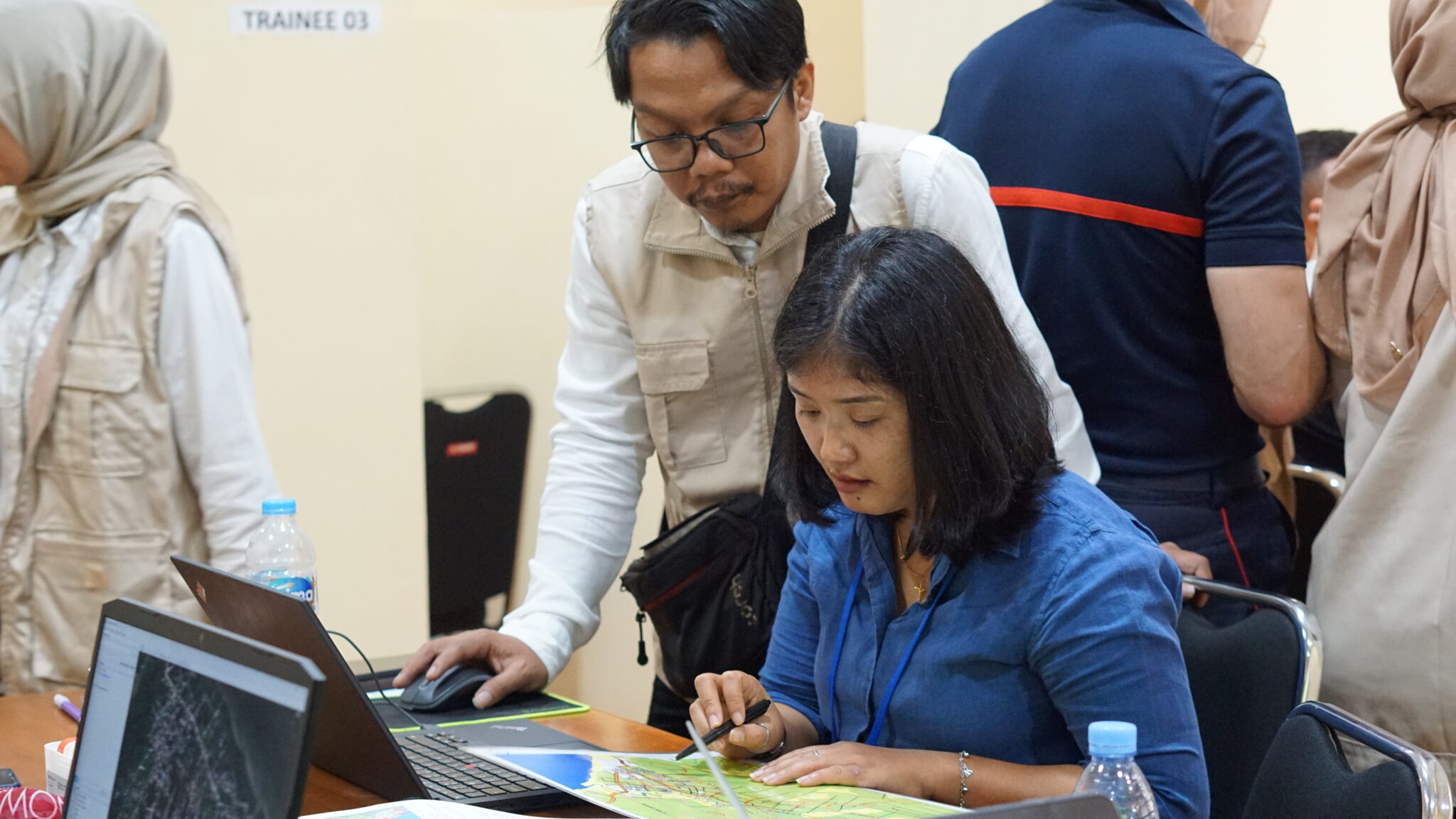
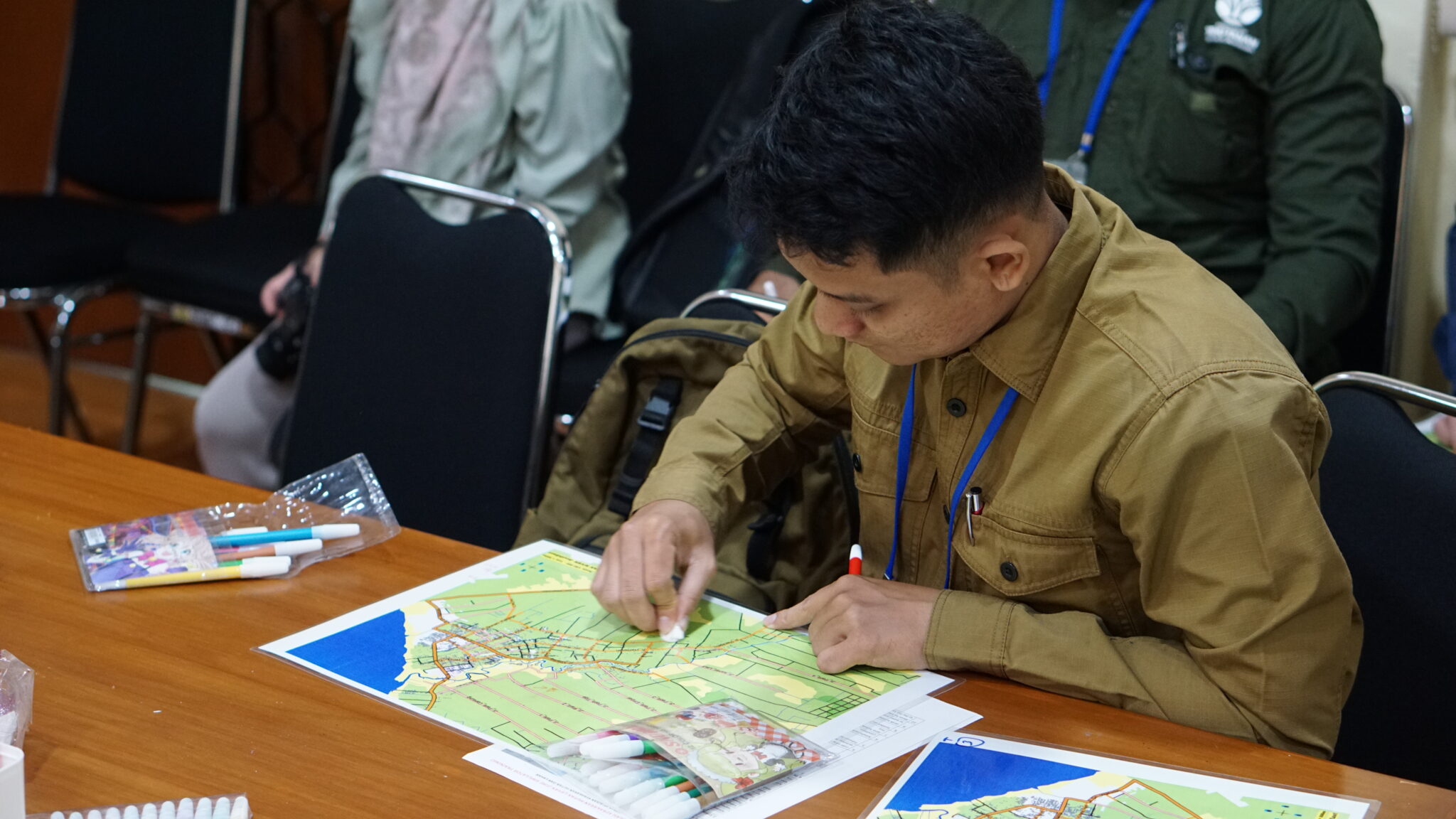
Participants practiced issuing operational commands, navigating to fire zones, and managing suppression efforts under simulated conditions that closely replicate real wildfire incidents. The integration of map-based analysis, simulation platforms, and immersive VR technology enabled participants to experience wildfire response in a highly engaging and lifelike manner. In particular, the use of VR wearable devices enhanced situational awareness, allowing participants to feel as if they were operating directly in an active wildfire environment.
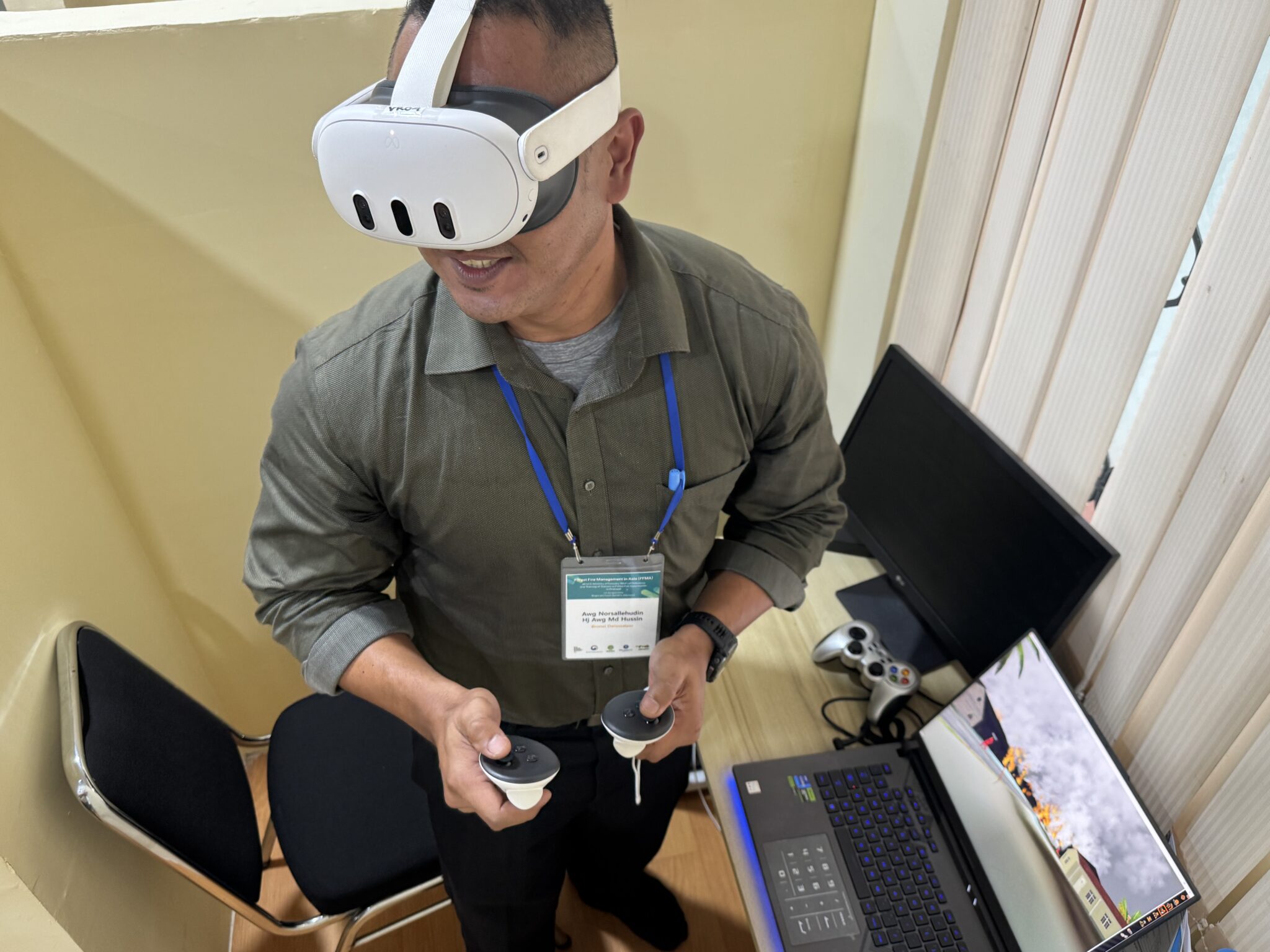
This hands-on training not only bridged the gap between theory and practice but also strengthened participants’ ability to operate under pressure, communicate effectively within teams, and respond to complex and uncertain fire situations. The strong institutional support and technical contribution from IPB University played a critical role in delivering these simulation exercises effectively, and AFoCO expresses its sincere appreciation for their continued collaboration and commitment to regional capacity building.
Building Capacity for Regional Cooperation
The first week successfully integrated ecosystem understanding, scientific analysis, and advanced operational training, providing participants with a comprehensive foundation for peatland fire management. By combining scientific knowledge with simulation-based, technology-driven exercises, the program strengthened participants’ ability to translate analysis into effective field-level decision-making.
More importantly, it reinforced their role as future trainers who will disseminate knowledge, enhance national response systems, and contribute to strengthening regional capacity for forest fire management across AFoCO Member Countries.
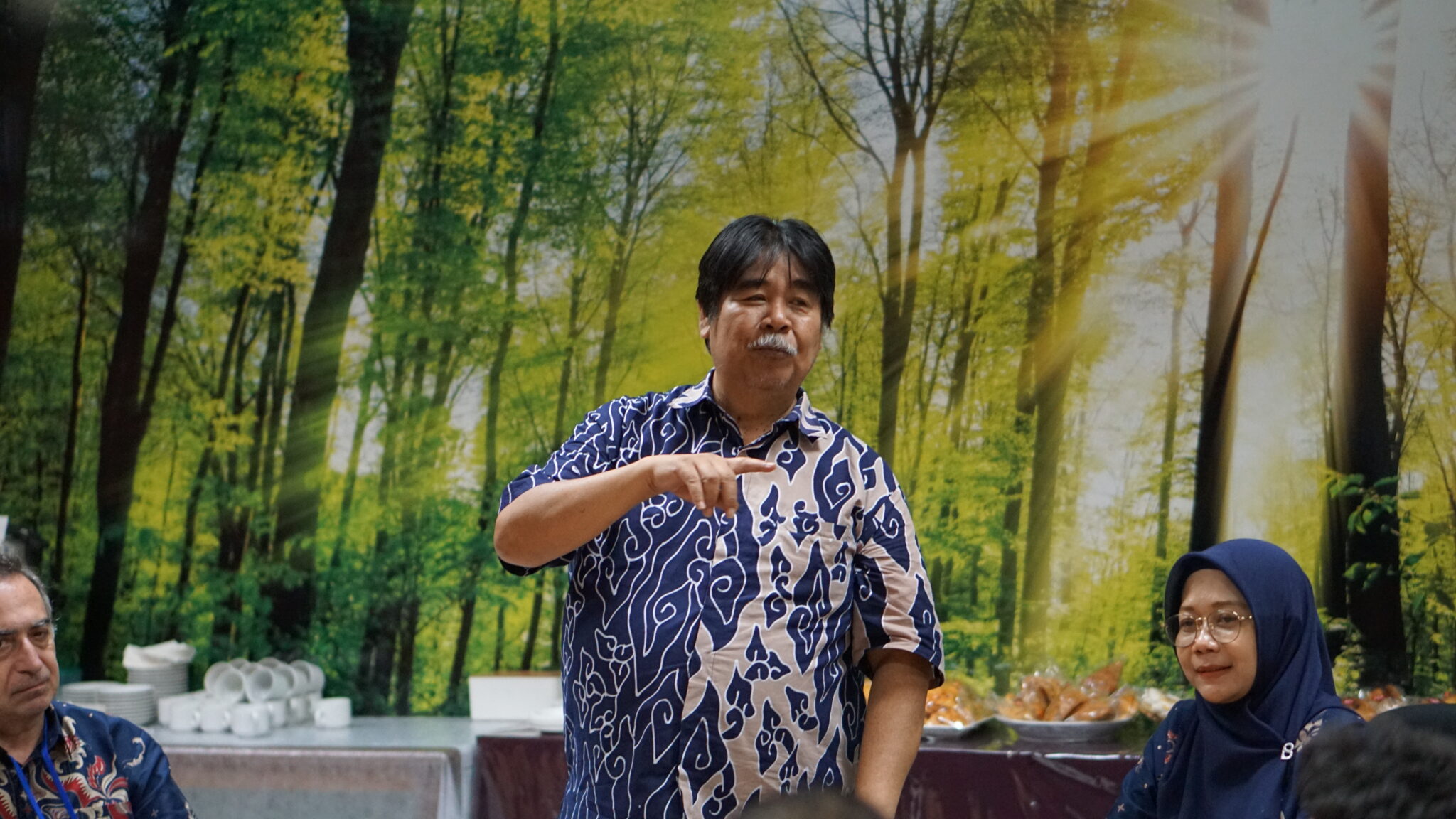
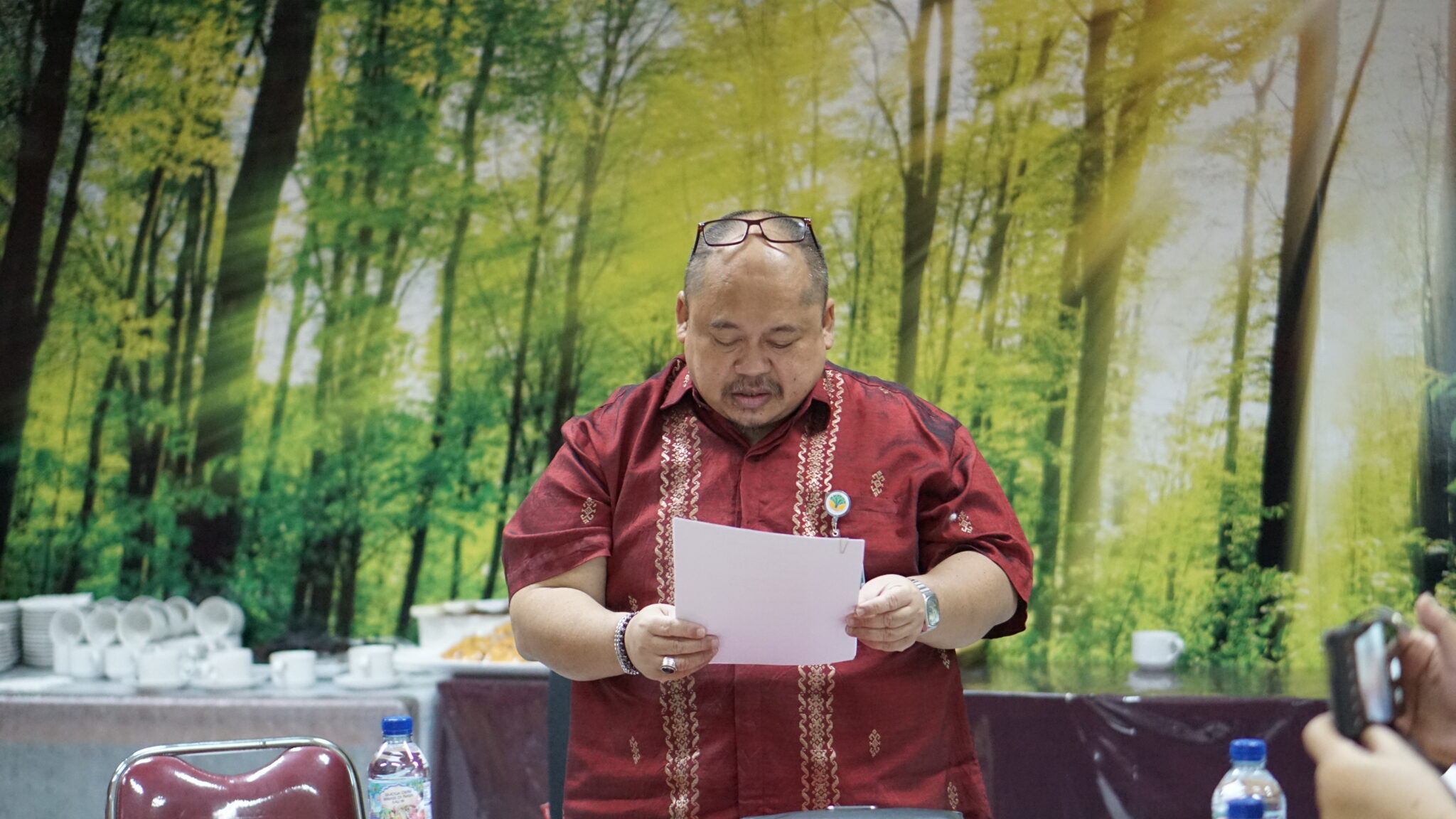
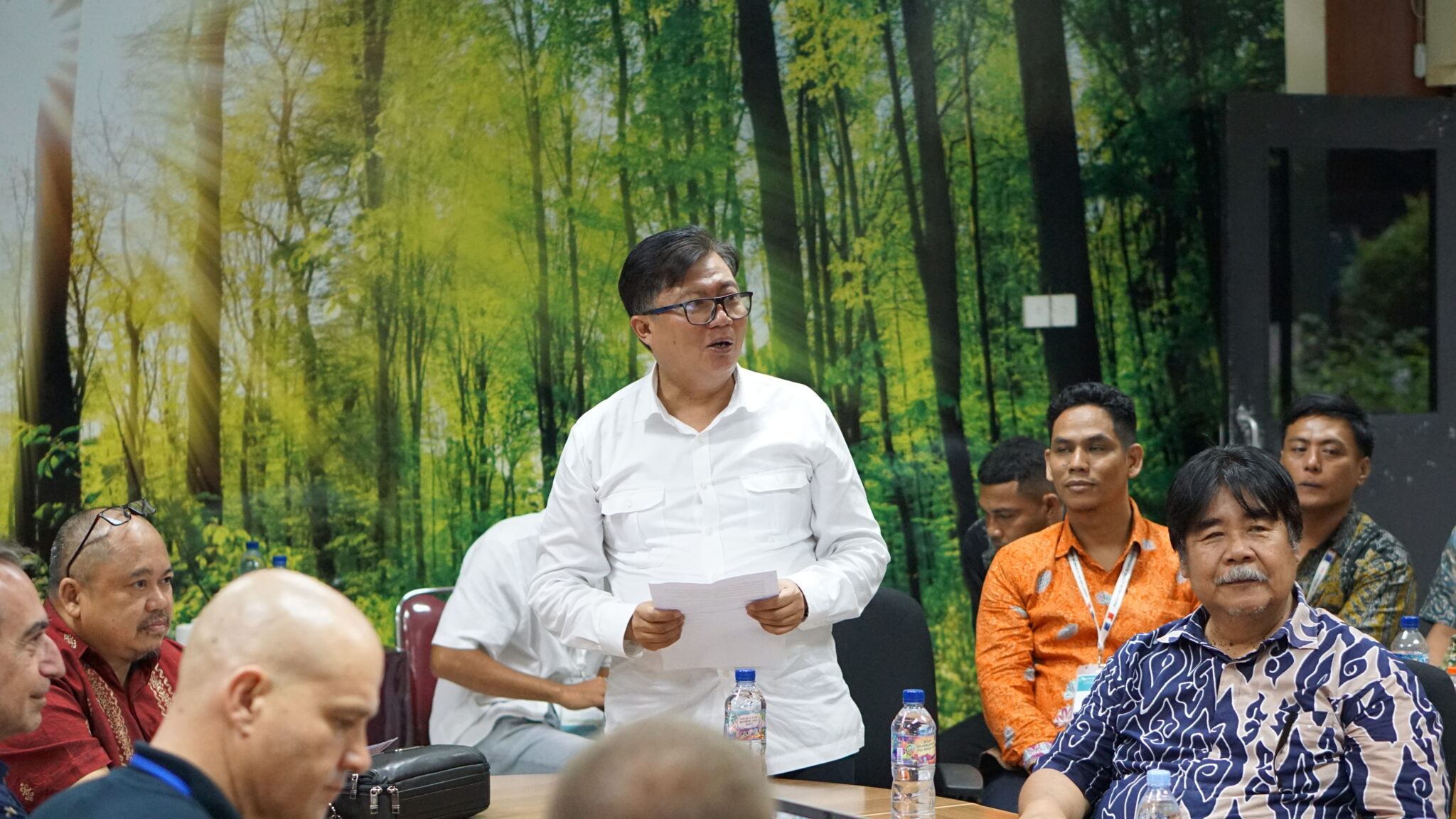
To mark the conclusion of the first week, a 1st Week Closing Ceremony was held at IPB University. The ceremony was attended by Dr. Gun Gun Hidayat from the Ministry of Forestry (MoF) of Indonesia and the Prof. Dr. Dodik Nurrochmat, Dean of Faculty of Forestry and Environment, IPB University, who delivered congratulatory remarks to the participants in recognition of their successful completion of the first week of training. Their messages also encouraged participants to continue their active engagement and collaboration throughout the remaining course.
As the program moves into the second week, participants will further engage in field-based training and scenario-driven exercises, building on the strong analytical and practical foundation established during Week 1.
Submitted by Kiwon Kim, Program Officer, Capacity-Building and Evaluation Team