
SEOUL, Republic of Korea — The Policy Forum on Establishing Overseas Emission Reduction Strategies through Afforestation for Korea’s NDC was convened in Seoul. Hosted by National Assembly Member Ahn Do-geol and organized by the Asian Forest Cooperation Organization (AFoCO), the policy dialogue addressed the Republic of Korea’s growing need to secure credible international mitigation outcomes under its Nationally Determined Contribution (NDC) framework.
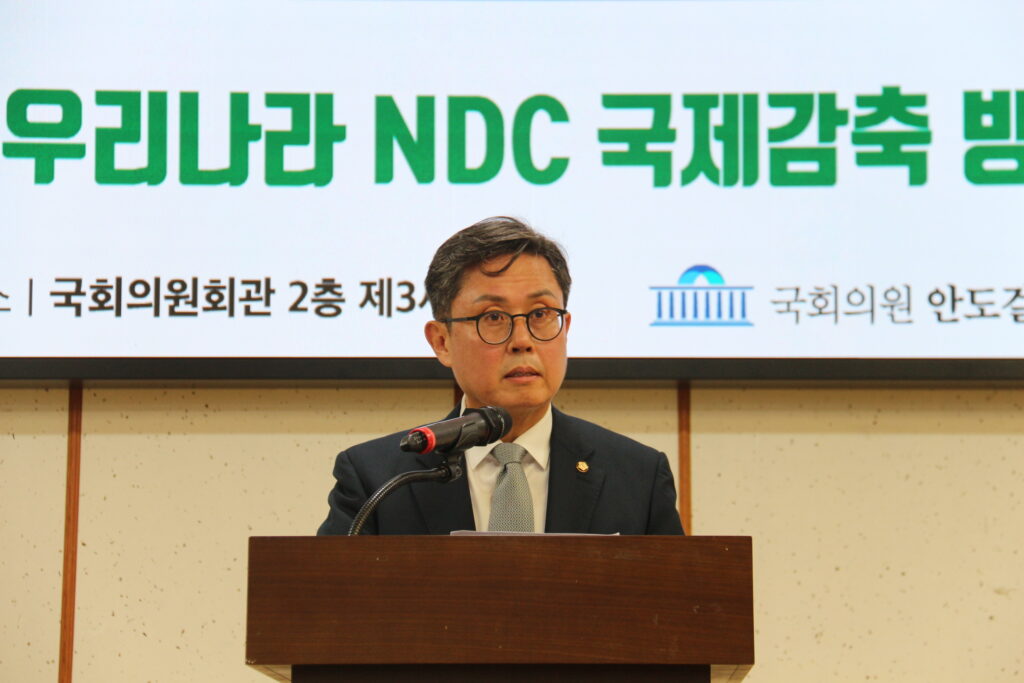
The Forum provided an opportunity to discuss long-term, investment-based approaches to overseas afforestation, moving beyond reliance on short-term credit purchases. Participants examined the policy relevance, fiscal implications, institutional requirements, and financing mechanisms for overseas afforestation as a potential contributor to Korea’s national mitigation targets.
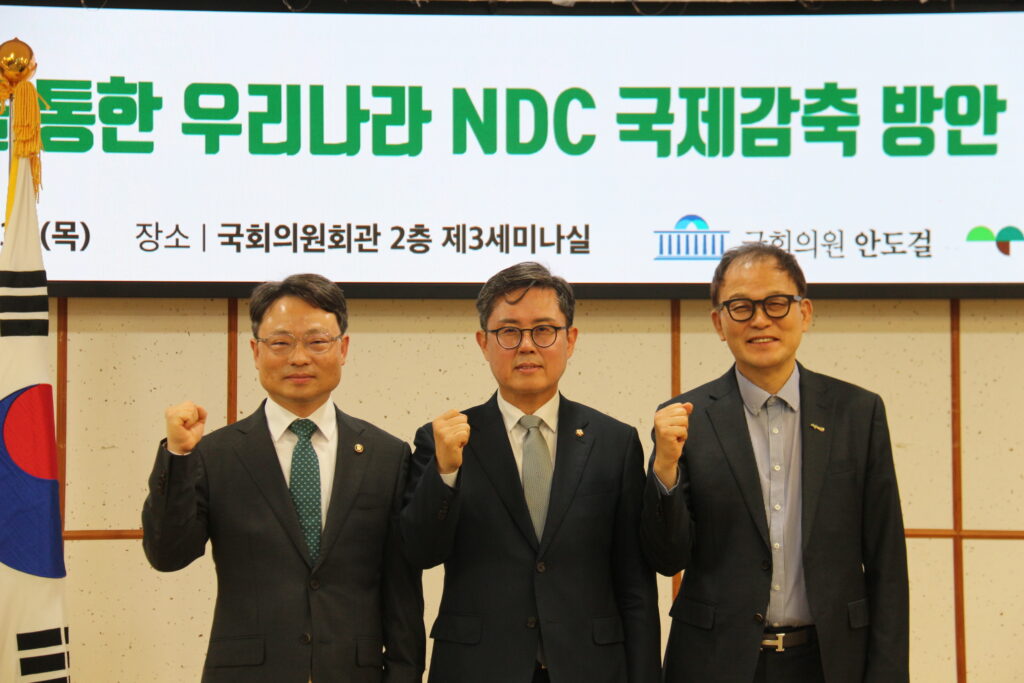
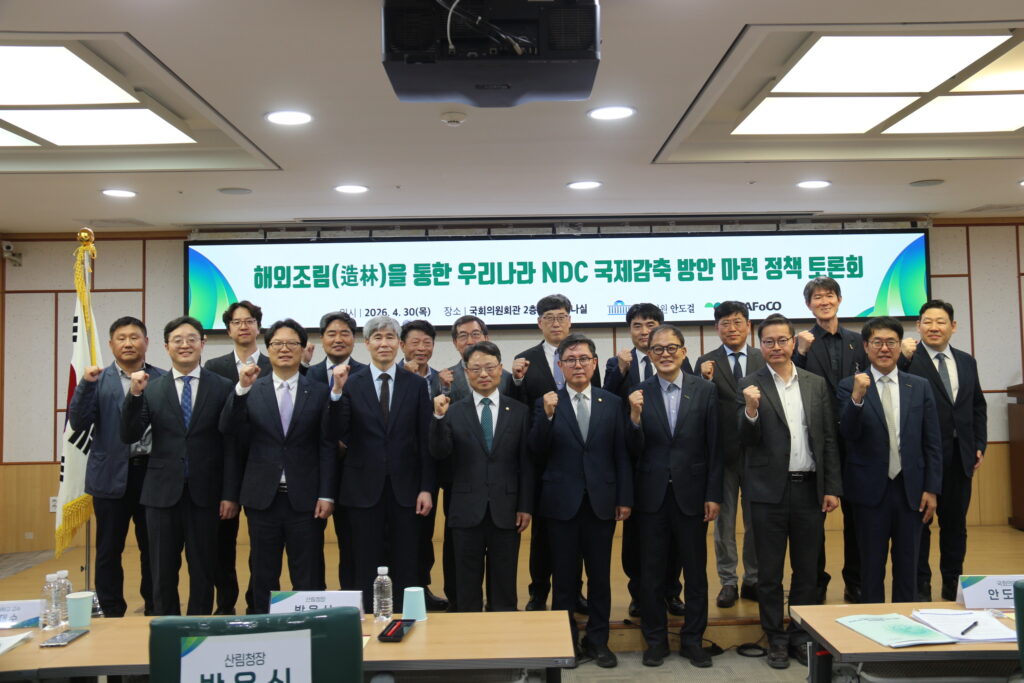
Key Presentations: Forest-Based Pathways for International Mitigation
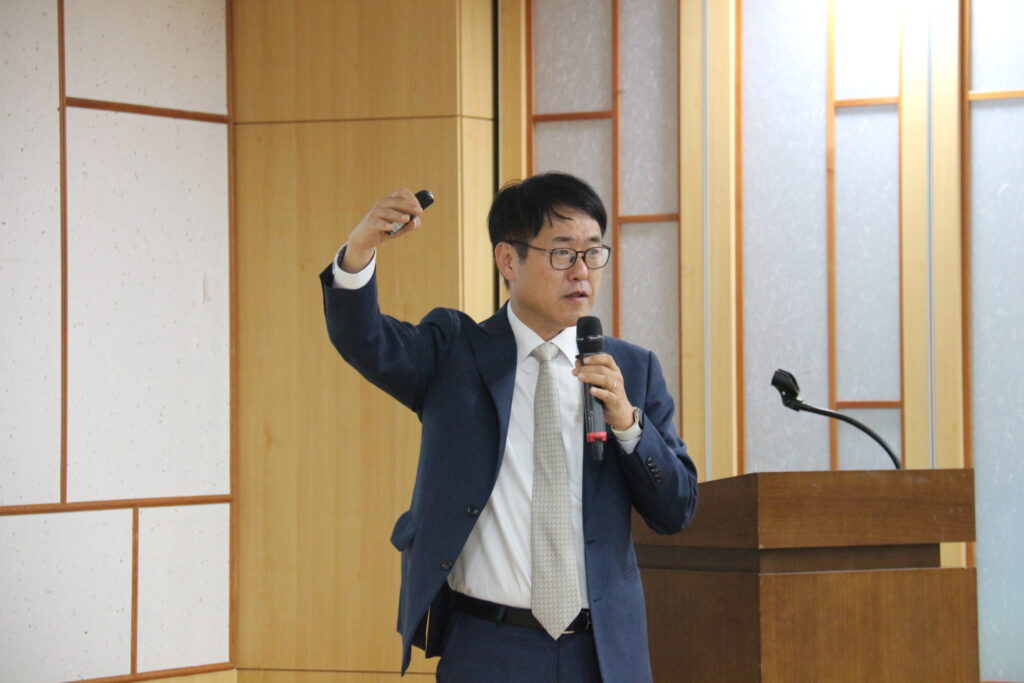
The presentation session outlined Korea’s international mitigation targets and explored how overseas forest-based solutions could contribute to the achievement of the country’s NDC.
Overview of Korea’s 2030 NDC Target
- Speaker: Professor Park Joowon of Kyungpook National University
- Key Focus: Noted that approximately 37.5 million tCO₂e is expected to be secured through international mitigation. He also explained that about 5 million tCO₂e is expected to come from overseas forest-based projects, including REDD+ and Afforestation/Reforestation (ARR), as part of Korea’s broader mitigation efforts.
Proposed Measures for Overseas Emission Reduction Strategies
- Speaker: Mr. Sunpil Jin, Vice Executive Director of AFoCO
- Article 6.2 Frameworks: Addressed key elements for securing international mitigation outcomes under Article 6.2 of the Paris Agreement, including authorization, corresponding adjustment, and the issuance of internationally transferred mitigation outcomes (ITMOs).
- Market Dynamics: Emphasized that countries with significant demand for international mitigation outcomes are expanding bilateral cooperation networks and securing project opportunities. In this context, he highlighted the need to respond actively to intensifying competition in international mitigation projects and presented overseas afforestation as a pathway to secure high-quality mitigation assets in advance.
- Institutional Foundations: Introduced AFoCO’s member-country network, ODA eligibility, Green Climate Fund (GCF) Accredited Entity status, forest restoration experience, and field-level forest carbon project experience as key foundations for supporting overseas afforestation cooperation.
- Execution Model: A phased expansion model was presented, beginning with master plan development and initial outcome generation, and potentially expanding through blended finance structures involving carbon funds, multilateral development banks (MDBs), development finance institutions (DFIs), and private investment.
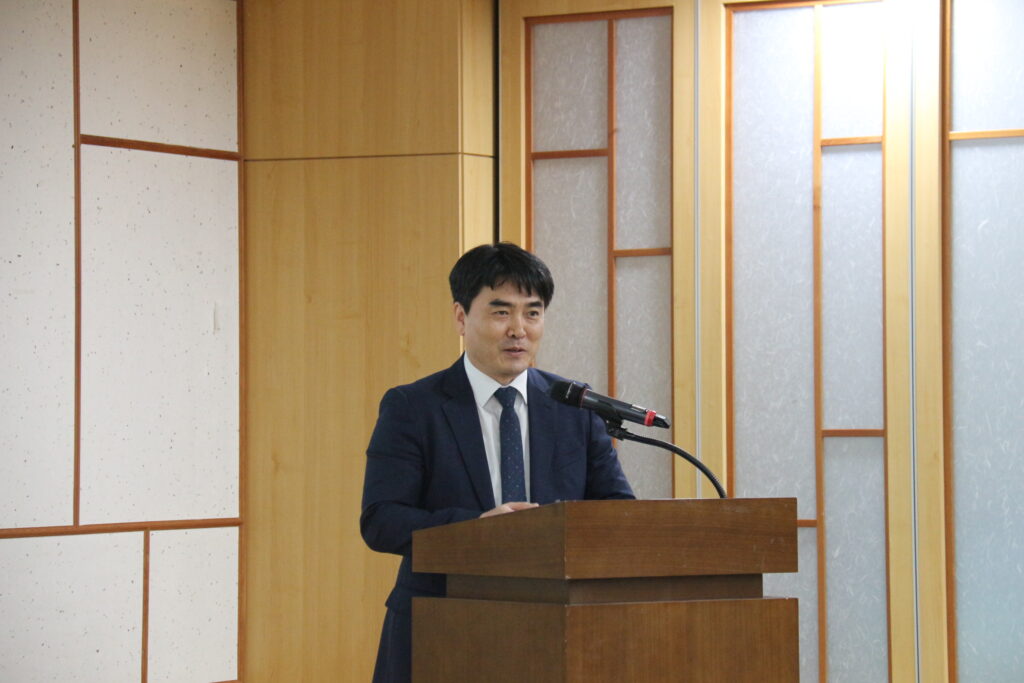
Panel Discussion: Institutional, Market, and Field-Level Perspectives
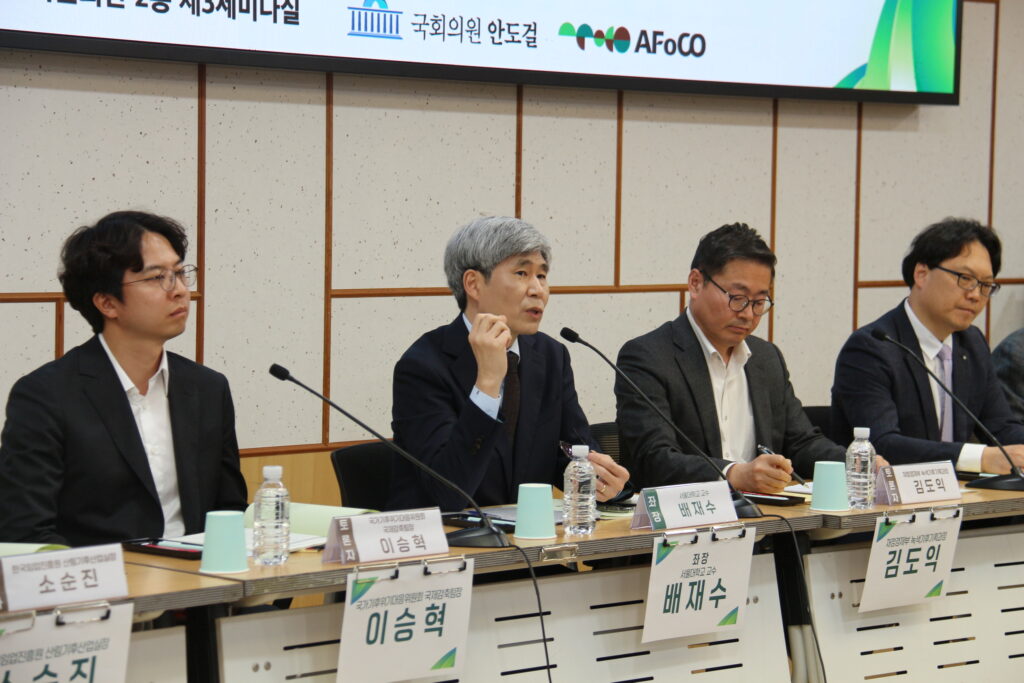
Perspectives Following the presentations, a panel discussion moderated by Professor Bae Jae Soo of Seoul National University brought together representatives from government agencies, public institutions, academia, the private sector, and civil society to discuss institutional prerequisites, market mechanisms, technical approaches, and field-level implementation conditions for overseas afforestation and international mitigation.
Participants discussed the need to strengthen institutional and market frameworks for international mitigation, including the Global Voluntary Carbon Market Aligned with the Paris Agreement (GVCM), Article 6.2-aligned ITMO pathways, international mitigation registries, project guidebooks, and measures to enhance public-private communication. The discussion also addressed how overseas afforestation and forest-based mitigation projects could be linked with Korea’s broader carbon market and policy frameworks.
The panel further explored technical and field-level considerations, including MRV requirements, the quantification of carbon benefits from forestry by-products such as biochar, land-use and carbon rights, community acceptance, benefit-sharing arrangements, and corresponding adjustment frameworks. Participants also noted the potential role of local governments, civic networks, and volunteer centers in supporting regional industrial responses, citizen participation, community-based cooperation, and trust-building in overseas afforestation and agroforestry initiatives.
Strategic Outlook: AFoCO as an Implementation-Oriented Platform
The Forum reaffirmed the relevance of strengthening AFoCO’s role as an implementation-oriented platform that connects policy discussions with concrete forest-based mitigation projects. Based on its intergovernmental cooperation framework, member-country network, and field-level experience across Asia, AFoCO can contribute to the identification, design, coordination, and implementation of overseas afforestation and nature-based mitigation projects.
Proven Cooperation Initiatives
AFoCO’s ongoing cooperation initiatives illustrate its potential to support project identification, coordination, and partnership development:
- Rabobank: Agroforestry carbon cooperation.
- Climate Asset Management: Afforestation/Reforestation (A/R) cooperation.
- European Bank for Reconstruction and Development (EBRD): Agroforestry initiatives in Kyrgyzstan.
- Asian Development Bank (ADB): Agroforestry cooperation in Lao PDR.
- World Bank: Forest carbon cooperation in Mongolia.
Forward-Looking Action Plans
Moving forward, the AFoCO Secretariat will review key issues discussed at the Forum and reflect the outcomes in its future strategic direction through targeted follow-up actions:
- Reviewing budgetary linkages with the Climate Response Fund.
- Submitting the Summary Report on the Forum to the National Assembly.
- Identifying potential project opportunities in overseas afforestation, agroforestry, Afforestation/Reforestation, and carbon projects.
- Further developing cooperation models with government agencies, private companies, and financial institutions.
Through the Policy Forum, AFoCO reaffirmed its role in supporting forest-based international mitigation cooperation by linking policy dialogue, project development, partnership building, and practical implementation. AFoCO will continue to support follow-up consultations and project planning to help translate overseas afforestation strategies into concrete mitigation cooperation across Asia.
Submitted by Jiseok Park, Assistant Program Officer, Project Team 2