
October 28, Seoul – The 4th Friends of Asia and Asian Forests (FAAF) Forum, convened at Seoul Garden Hotel, Republic of Korea, brought together governments, development cooperation agencies, financial institutions, companies, investors, and international organizations to discuss how forest and land restoration projects in Asia can be developed into investable models.
This year, the 4th FAAF Forum was held under the theme “Scaling Up Forest Restoration in Asia: Public to Sustainable Investment.” Recognizing that forest restoration is no longer solely a matter of environmental protection but equally an investment in local economies and climate resilience, the Forum examined the revenue structures, project scale, investment risks, and environmental and social outcomes of restoration projects. Building on the previous Forums, it also explored financing approaches and partnerships capable of connecting public and private capital, and discussed how FAAF can evolve into a cooperation platform that supports the full pathway from project identification to investment readiness and partner matching.
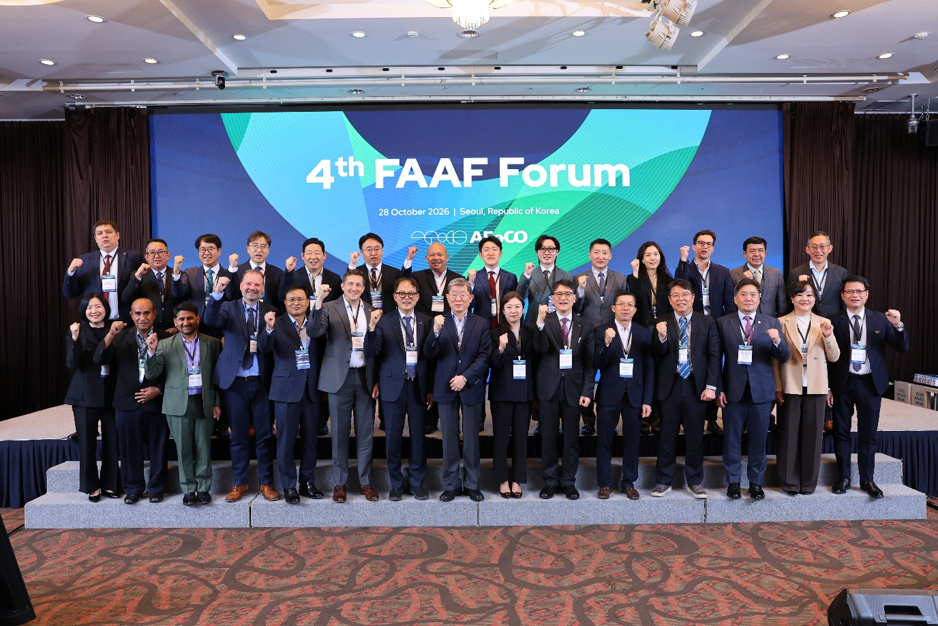
Main Session
Bringing together leading voices from governments, international organizations, financial institutions, and the private sector, the Main Session addressed how public and private actors can work together to turn forest restoration into concrete investment.
Mr. Kook-Hyun Moon, Co-Chair of FAAF, opened the Forum by explaining the background and objectives of FAAF as a platform to promote forest restoration cooperation across Asia. Drawing on Yuhan-Kimberly’s 40-year experience in forest greening initiatives, he emphasized the importance of inter-country cooperation in the region.
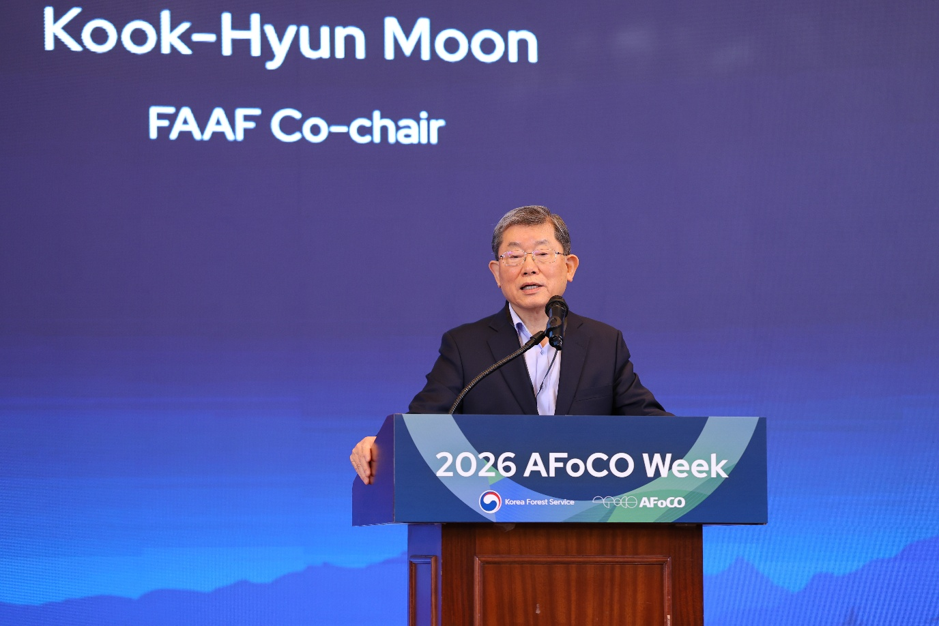
Mr. Kook-Hyun Moon, Co-Chair of FAAF, opened the Forum by explaining the background and objectives of FAAF as a platform to promote forest restoration cooperation across Asia. Drawing on Yuhan-Kimberly’s 40-year experience in forest greening initiatives, he emphasized the importance of inter-country cooperation in the region.
Dr. Eunsik Park, Minister of the Korea Forest Service, noted that FAAF has functioned as a platform connecting AFoCO Member Countries, financial institutions, governments, international organizations, and the private sector. Stressing that intergovernmental cooperation alone is insufficient to address forest degradation, he stated that it is now time to connect discussions to concrete investments by blending public funds, private investment, and innovative technologies, and highlighted the importance of carbon finance and Nature-based Solutions (NbS).
Dr. Juliette Biao, Director of the UN Forum on Forests (UNFF), described FAAF as an essential platform for driving private sector collaboration. Reviewing the flow of finance since the Rio Conventions, she called for practical public–private cooperation to preserve the value of degrading forest ecosystems.
Dr. Yousef M. Alhorr, Founding Chairman of the Global Carbon Council (GCC), noted that public finance alone has its limits and emphasized that a high-integrity carbon market, built on credible mechanisms to attract private investment, will play a critical role.
Keynote speakers at the Forum included:
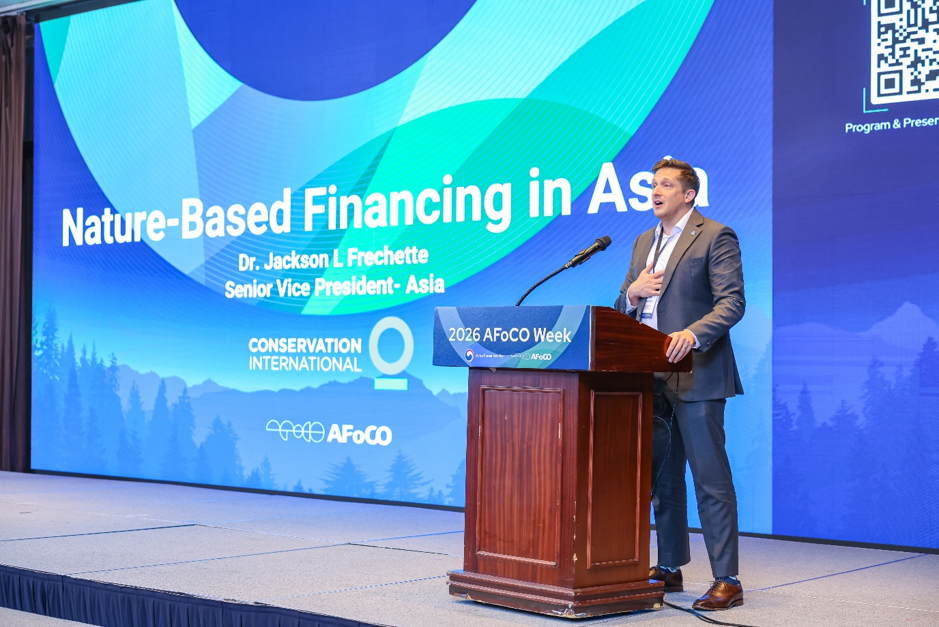
Dr. Jackson Frechette, Senior Vice President of Conservation International (CI) delivered a keynote on “Nature-Based Financing in Asia,” emphasizing that carbon reduction goals cannot be achieved without protecting nature. He noted that achieving the 30×30 target requires over USD 100 billion in private capital annually alongside public resources, and introduced Asian cases such as Cambodia’s conservation trust fund and initiatives in Bhutan. He identified early-stage grants and technical assistance, patient capital, local implementation partners, blended finance, and long-term off-take agreements as prerequisites for scaling nature-based finance, while noting that subsidies cannot serve as a permanent funding source.
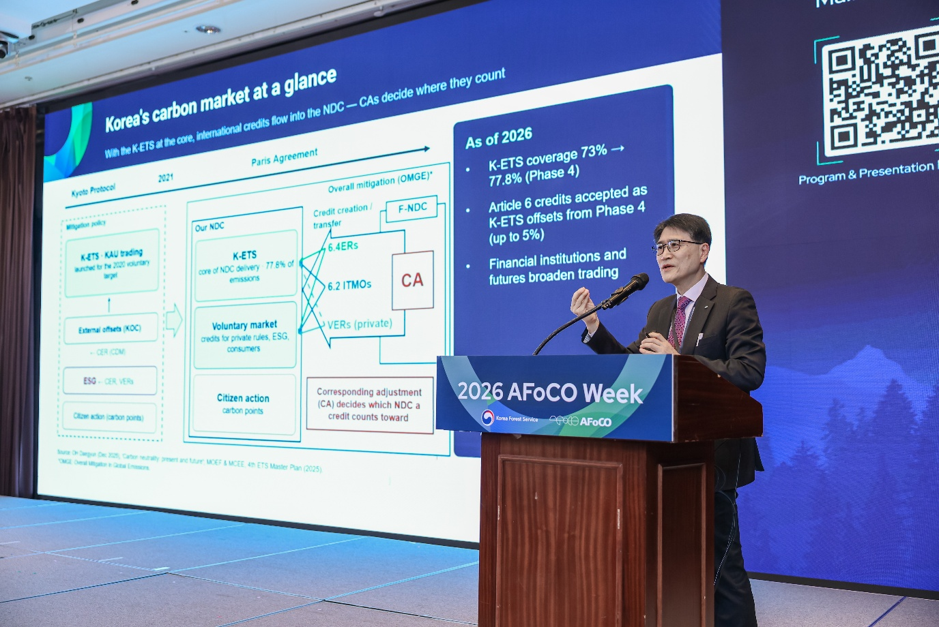
Dr. Dae-gyun Oh, President of the National Institute of Green Technology (NIGT), presented carbon policy trends in the Republic of Korea. With Korea’s 2035 NDC target of a 53–61% reduction from 2018 levels and limited domestic carbon sinks, he underscored that overseas mitigation is essential. He explained the transition from the Kyoto Protocol to Article 6 of the Paris Agreement, the convergence of the K-ETS, voluntary carbon market, and Carbon Point System, and a potential long-term supply shortfall as credit requirements tighten. Noting that forest projects are slow-paced and carry reversal risks such as forest fires, he recommended strong buffer mechanisms and a phased strategy linking afforestation/reforestation, biochar, and mangrove projects to attract financing.
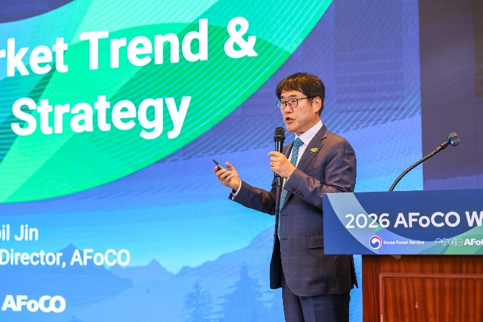
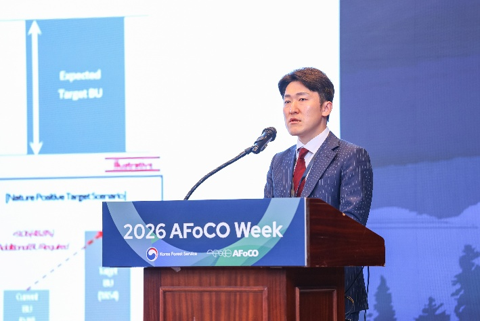
Following the keynote presentations, Mr. Sunpil Jin, Vice Executive Director of AFoCO, and Mr. Ok Su Lee, Head of the Sustainability & Climate Center at Kim & Chang, delivered presentations on FAAF Updates and Direction.
Kim & Chang
Mr. Sunpil Jin presented the way forward for FAAF, centered on expanding FAAF membership and establishing the ‘FAAF Fund (tentative name)’. He explained that the Fund is intended to support forest-sector projects under Article 6 of the Paris Agreement that contribute to the Republic of Korea’s Nationally Determined Contribution (NDC), and that AFoCO will explore ways to link it with national public finance. Through the Fund, AFoCO aims to develop small-scale and early-stage forest projects into investable ones, and to scale up business models that expand carbon sinks while conserving biodiversity and increasing the incomes of local communities. Building on its accreditation by the Green Climate Fund (GCF) and the establishment of its Forest Carbon Center, AFoCO plans to develop FAAF beyond information sharing and networking into an international forest investment platform that connects forest and climate projects in Asia with finance, while supporting corporate ESG goals and sharing Korea’s experience in national reforestation with the international community.
Kim & Chang has formed a consortium with AFoCO and is jointly developing nature restoration projects. Mr. Ok Su Lee explained that natural capital and biodiversity are emerging as key corporate agenda items as climate disclosures become mandatory and TNFD-aligned reporting expands. He introduced a performance measurement model developed with Seoul National University’s Graduate School of Environmental Studies to assess natural capital risks at business sites, and described how companies can convert overseas forest restoration outcomes into carbon and nature credits for corporate reporting.
The Main Session concluded with a panel discussion on “A Greener Asia Through Public-Private Partnership.” Panelists from business, finance, multilateral institutions, and industry associations shared conditions for long-term partnerships in forest restoration:
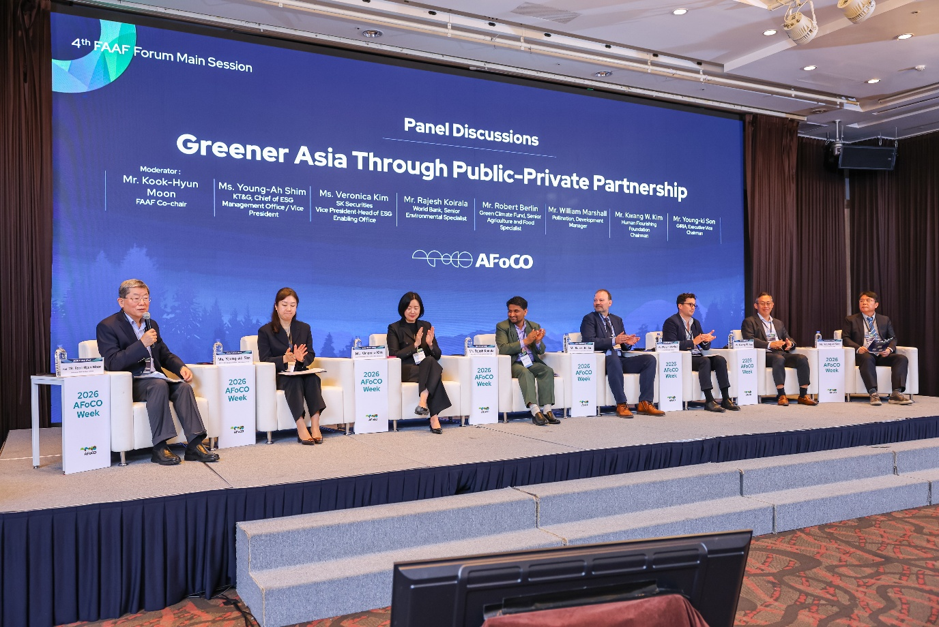
Ms. Young-ah Shim of KT&G stressed that corporate forestry targets should be embedded in management strategy, with clear roles among government, technical partners, and communities, and with communities participating from the planning stage. Ms. Veronica Kim of SK Securities noted that projects must be structured for financial institutions, citing predictable cash flows, risk–return balance, objective data, and risk mitigation mechanisms as key to investment decisions. Dr. Rajesh Koirala of the World Bank called for a holistic approach combining sustainable forest management, legal and institutional frameworks, and community-preferred species that generate income and reduce deforestation pressures.
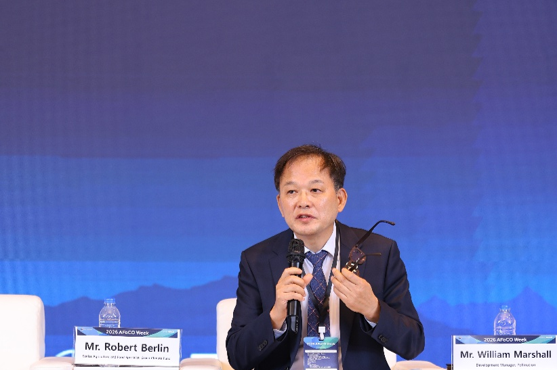
Mr. Robert Berlin of the Green Climate Fund (GCF) highlighted concessional investment and platform-based execution to prevent project fragmentation, while Mr. William Marshall of Pollination proposed cooperation on technical verification, buyer–investor matching, and alternative revenue streams such as ecotourism. Mr. Kwang Kim, Senior Advisor to EoM Alliance, emphasized the role of buyers and off-takers and proposed exploring synergies between Green AI and sustainable industry, and Mr. Young-ki Son, Vice Chairman of the International Greenhouse Gas Mitigation Industry Association (GIRIA), pointed to expanding private sector opportunities under Article 6 and urged an integrated task force to overcome host-country risks.
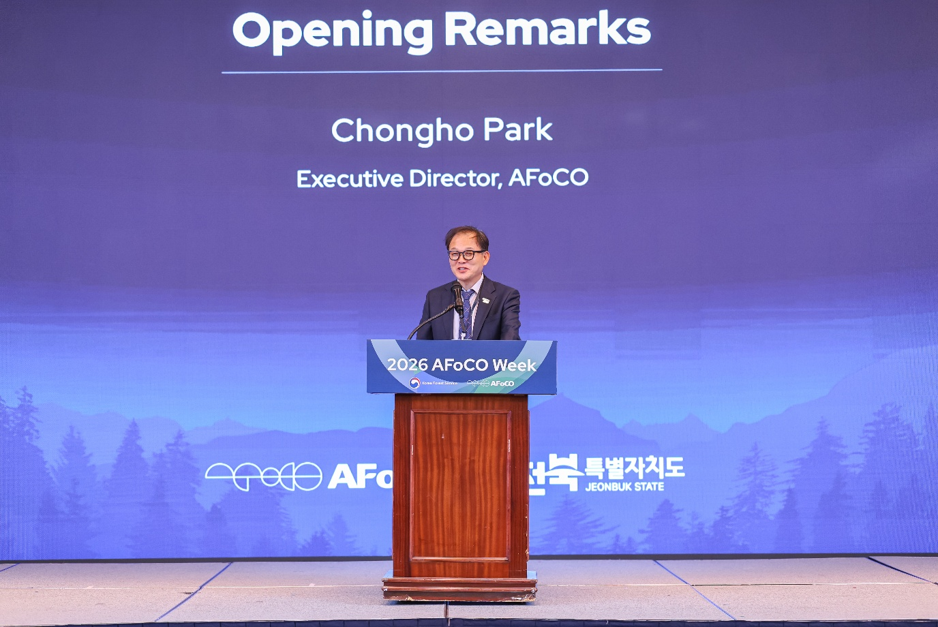
Dr. Chongho Park, Executive Director of AFoCO expressed his gratitude to the many distinguished guests for their participation. Noting that his term as Executive Director of AFoCO is drawing to a close, he reassured those concerned about the future direction and operation of the FAAF that the Forum remains sustainable and on solid footing. He further emphasized that, through a range of measures including the establishment of the AFoCO Carbon Center, AFoCO will continue to move forward together with the private sector. With these remarks, the morning session was brought to a close.
Special Session I with Jeonbuk Sate:
Policy Forum on Local Government–Led Carbon Credit Acquisition
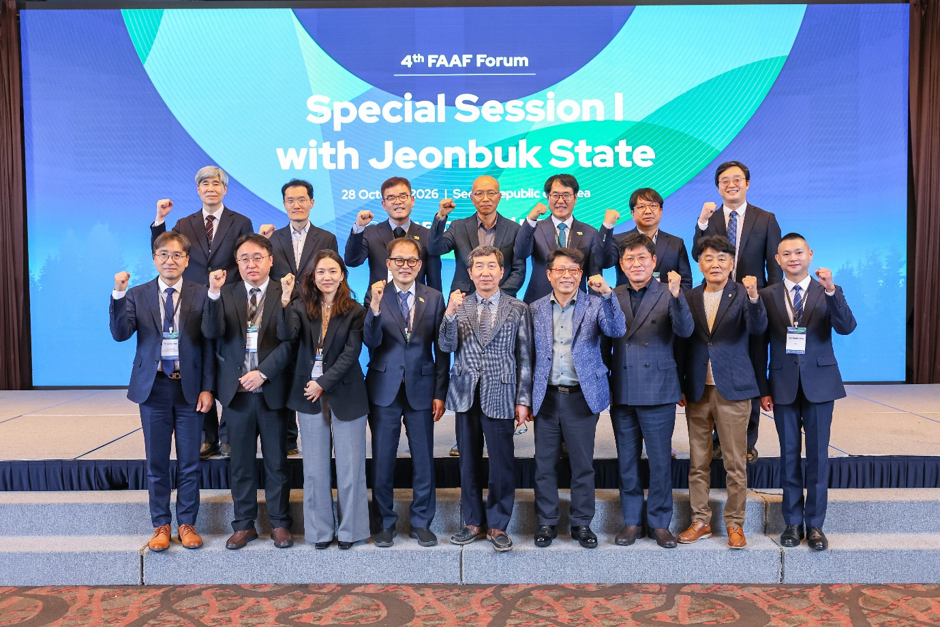
Special Session I, organized in cooperation with Jeonbuk State, explored how local governments and regional companies can participate in international mitigation projects. Dr. Chongho Park, Executive Director of AFoCO, opened the session by stressing that achieving national NDCs requires active participation of local governments and private companies alongside the central government. He noted that international mitigation projects not only contribute to national targets but also create new investment and cooperation opportunities by linking domestic technologies and experience to overseas projects, and expressed hope that the session would serve as a starting point for identifying concrete cooperation among Jeonbuk State, AFoCO, and regional companies.
In a video message, Mr. Won-taek Lee, Governor of Jeonbuk State, stated that carbon neutrality and climate action are core tasks to be addressed jointly by national and local governments. He underlined the need to define the role of local governments in securing carbon mitigation outcomes and to encourage the active participation of regional companies, and pledged to develop policies tailored to Jeonbuk’s regional characteristics based on the expert input shared at the session.
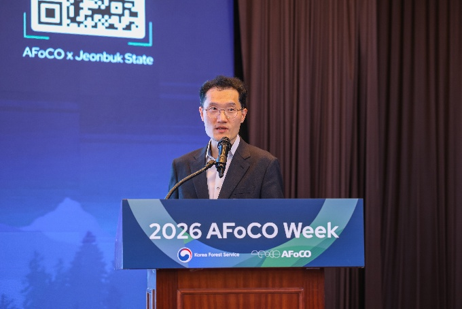
Mr. Nam-jeong Jang, Director of the Jeonbuk Carbon Neutrality Support Center, presented Jeonbuk State’s carbon neutrality strategy. Jeonbuk has set a 2030 target of a 43% reduction from 2018 levels, more ambitious than the national target of 40%, with energy transition accounting for about 80% of planned reductions. He introduced a flagship policy model that links carbon sinks and the building sector by promoting carbon-neutral timber construction, utilizing forests that cover 55% of the province while reducing emissions from buildings, which account for 25% of total emissions.
Mr. Sungho Choi, Director of the AFoCO Forest Carbon Division presented options for cooperation between Jeonbuk State, private companies, and AFoCO on overseas forest carbon projects. He shared AFoCO’s project portfolio for 2013-2025, with a total value of approximately USD 230 million including member country contributions. Also, he introduced three representative forest carbon project types: afforestation/reforestation under an MoU with Climate Asset Management, agroforestry with Acorn engaging 17,000 farmers in Kyrgyzstan, and REDD+ project in the Mekong region. He outlined potential opportunities for Jeonbuk-based companies in project development, field implementation, and satellite- and GIS-based monitoring and digital MRV, subject to project demand and company capacity. He proposed areas of Jeonbuk–AFoCO cooperation, including linking local companies with AFoCO’s overseas project needs and jointly developing cooperation projects with potential funding partners such as KOICA.
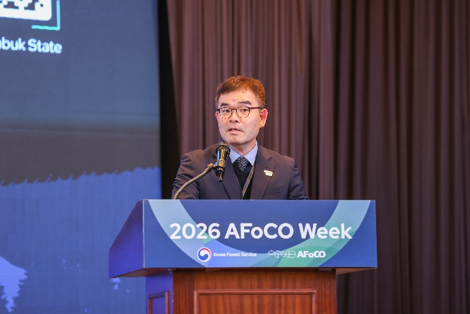
Director of the Jeonbuk Carbon Neutrality Support Center
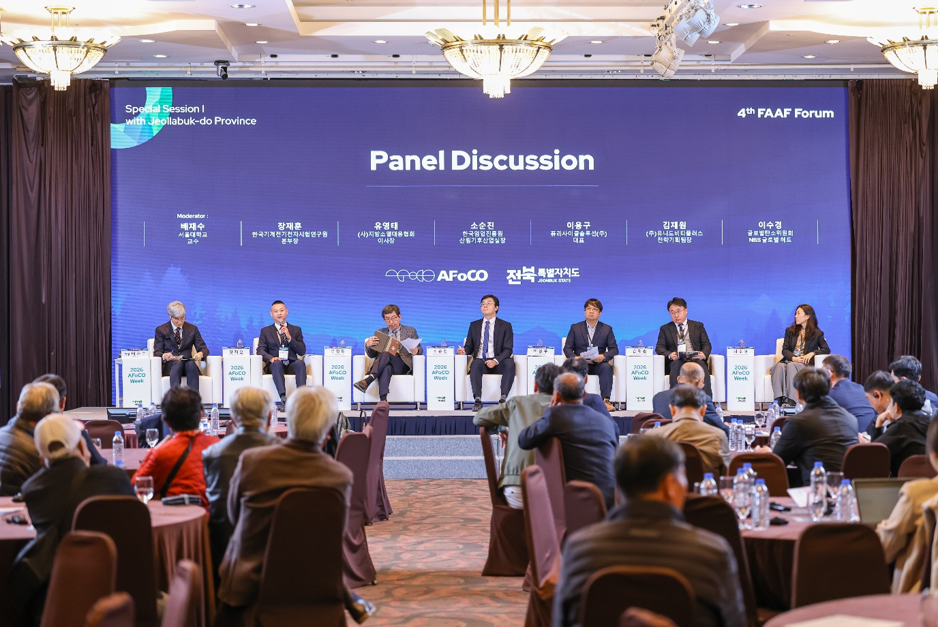
Moderated by Prof. Jae-soo Bae of Seoul National University, the panel discussion addressed why and how Jeonbuk State and regional companies should engage in international mitigation projects. Panelists proposed developing local government-led digital MRV guidelines using AI and satellite imagery, giving local governments a greater role in overseas mitigation to support regional businesses and exports, and piloting a circular forest management model that combines harvested wood products and biochar. They also highlighted biochar-based solutions for degraded soils in Southeast Asia, guarantee mechanisms to lower financing barriers for small and medium-sized enterprises, and linking credits with GCC certification to add premium value to local agricultural exports. Participants from the floor further suggested co-developing KOICA public–private partnership projects to support regional companies entering overseas markets.
Special Session II with GGGI:
Investment Strategy, Bankable Projects of Asia
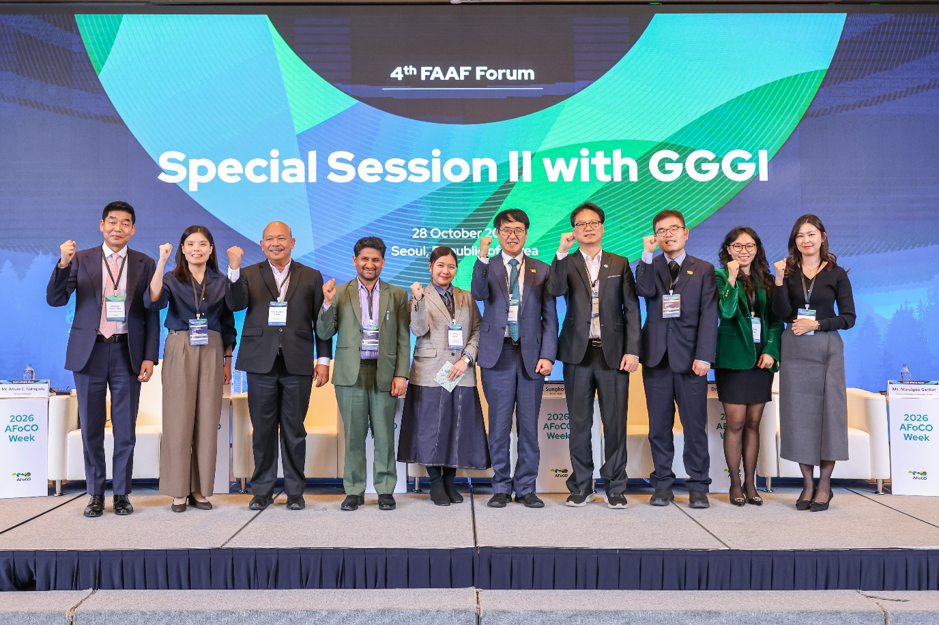
Special Session II, jointly organized with the Global Green Growth Institute (GGGI), focused on climate finance and carbon market collaboration. Mr. Sunpil Jin, Vice Executive Director of AFoCO, opened the session by noting that the two Seoul-headquartered intergovernmental organizations aim to translate climate commitments into on-the-ground forest restoration and build a bankable project pipeline aligned with AFoCO’s GCF accreditation.
Mr. Lkhagvasuren Byadran, Chairman of the Mongolia Billion Trees Fund, shared how the Fund, financed partly by allocating 10% of commercial banks’ micro-transaction fees, has supported the planting of 8.8 million trees and engaged more than one million people in combating desertification.
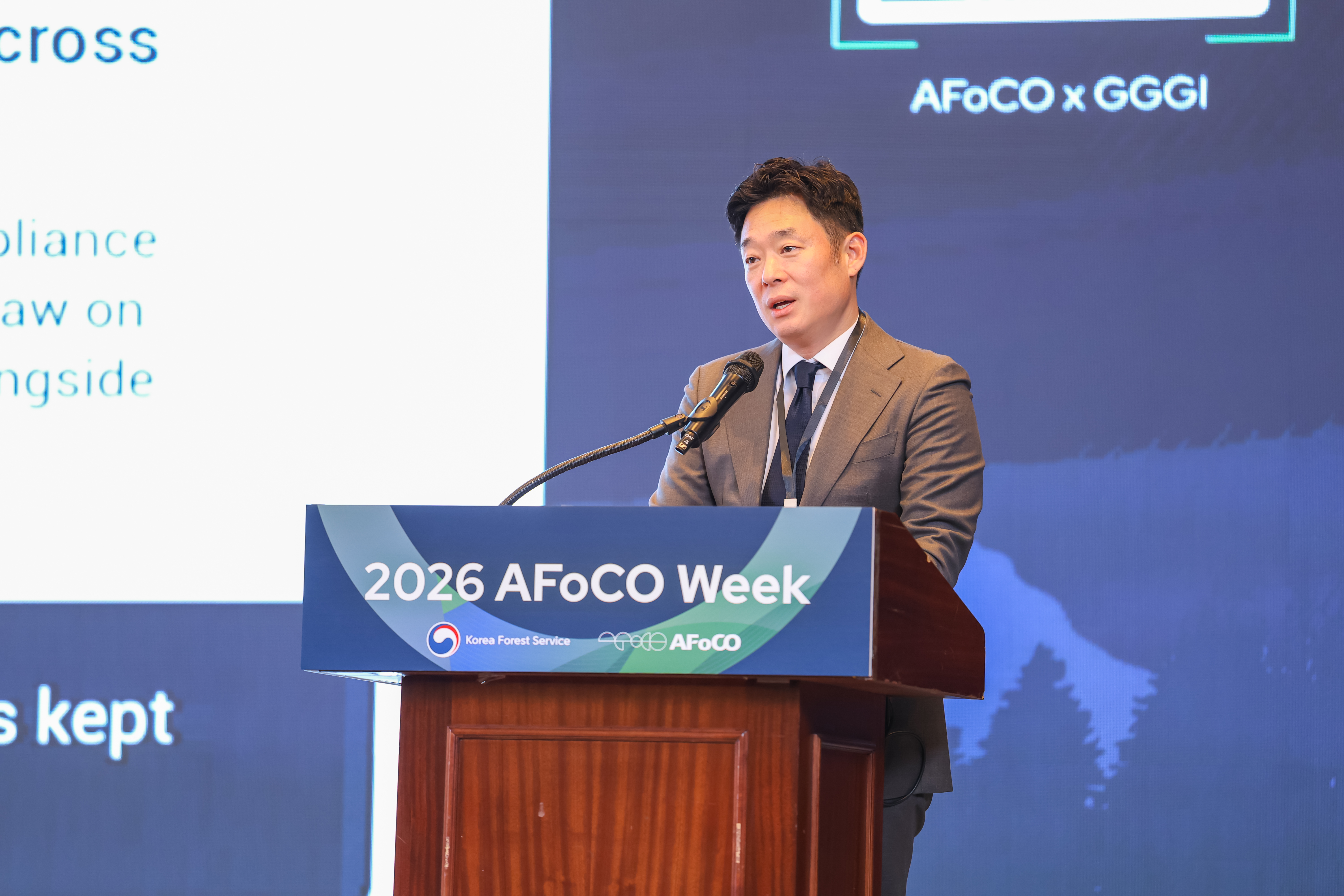
Mr. Dohyun Park, Senior Researcher at GGGI
He introduced the Global Voluntary Carbon Market (GVCM) initiative, which aims to enhance credibility through Paris Agreement-aligned technical standards and improve efficiency through standardized digital procedures, with initial credit issuance planned for 2027–2028 and full rollout in 2029.
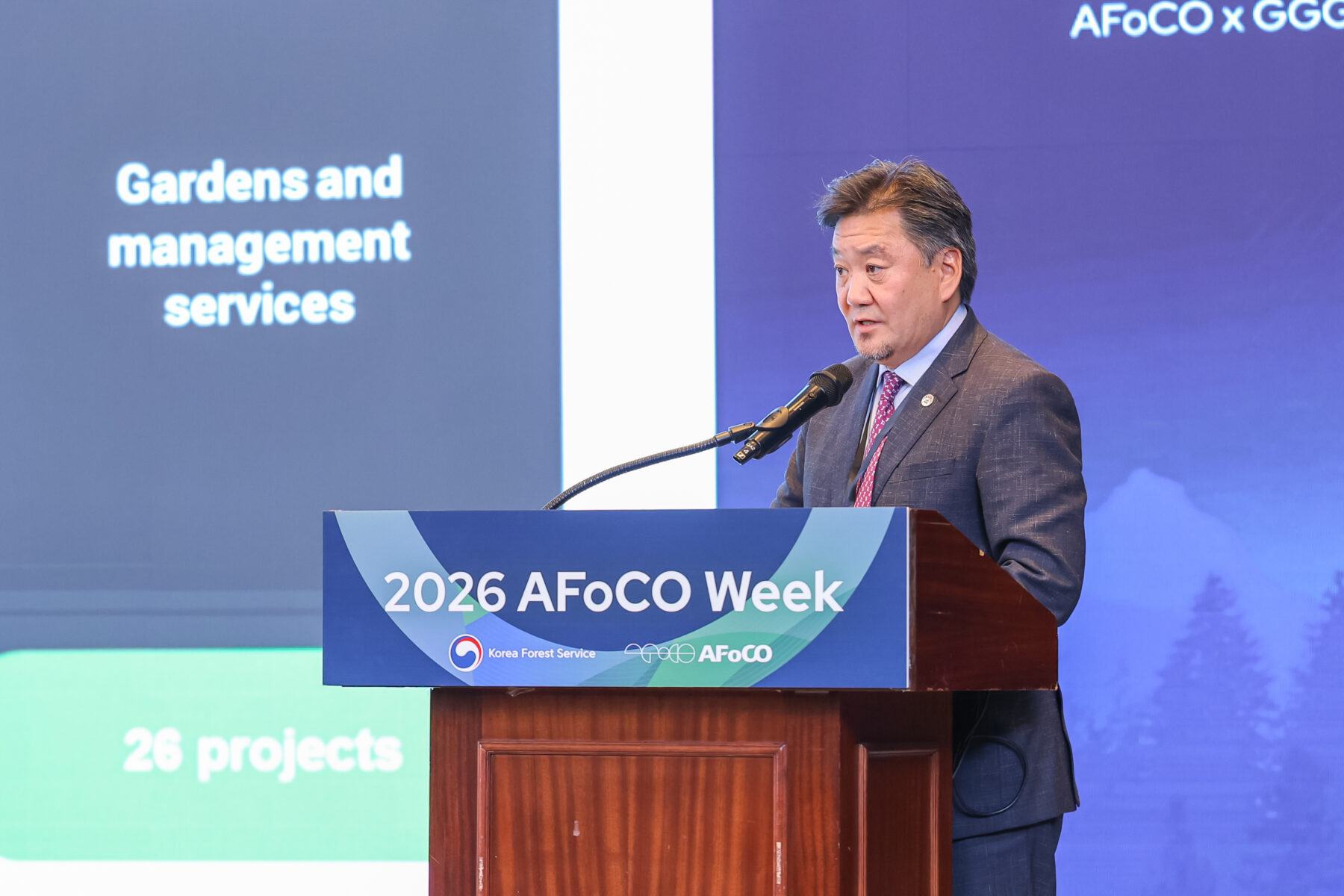
Mr. Lkhagvasuren Byadran, Chairman of the Mongolia Billion Trees Fund
He shared how the Fund, financed partly by allocating 10% of commercial banks’ micro-transaction fees, has supported the planting of 8.8 million trees and engaged more than one million people in combating desertification.
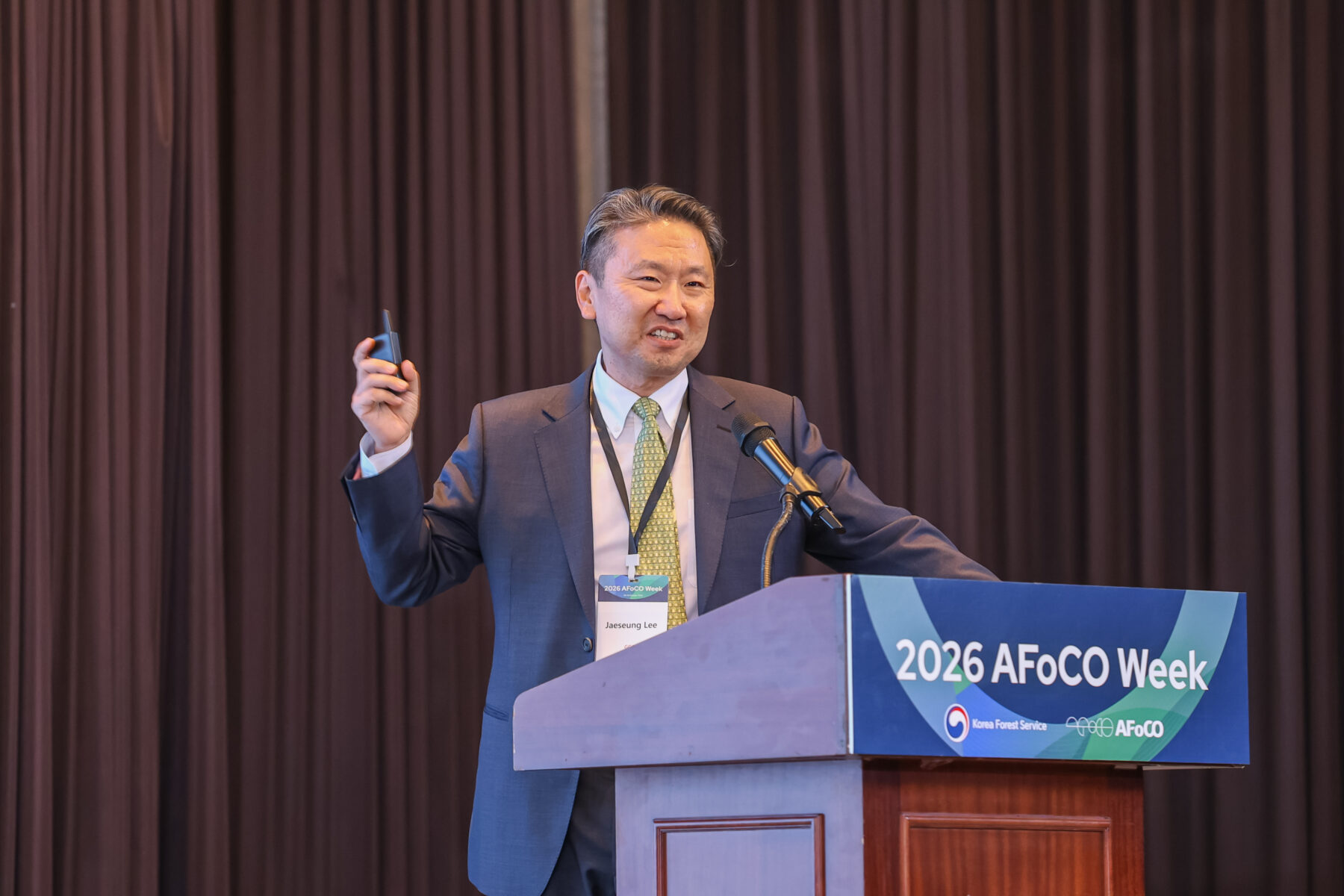
Mr. Jaeseung Lee, Deputy Regional Director for Asia at GGGI
He presented a five-year program across Mongolia, Guyana, Colombia, and Lao PDR to lay investment foundations in forestry through piloting financial instruments, standardized metrics, institutional frameworks, and capacity building.
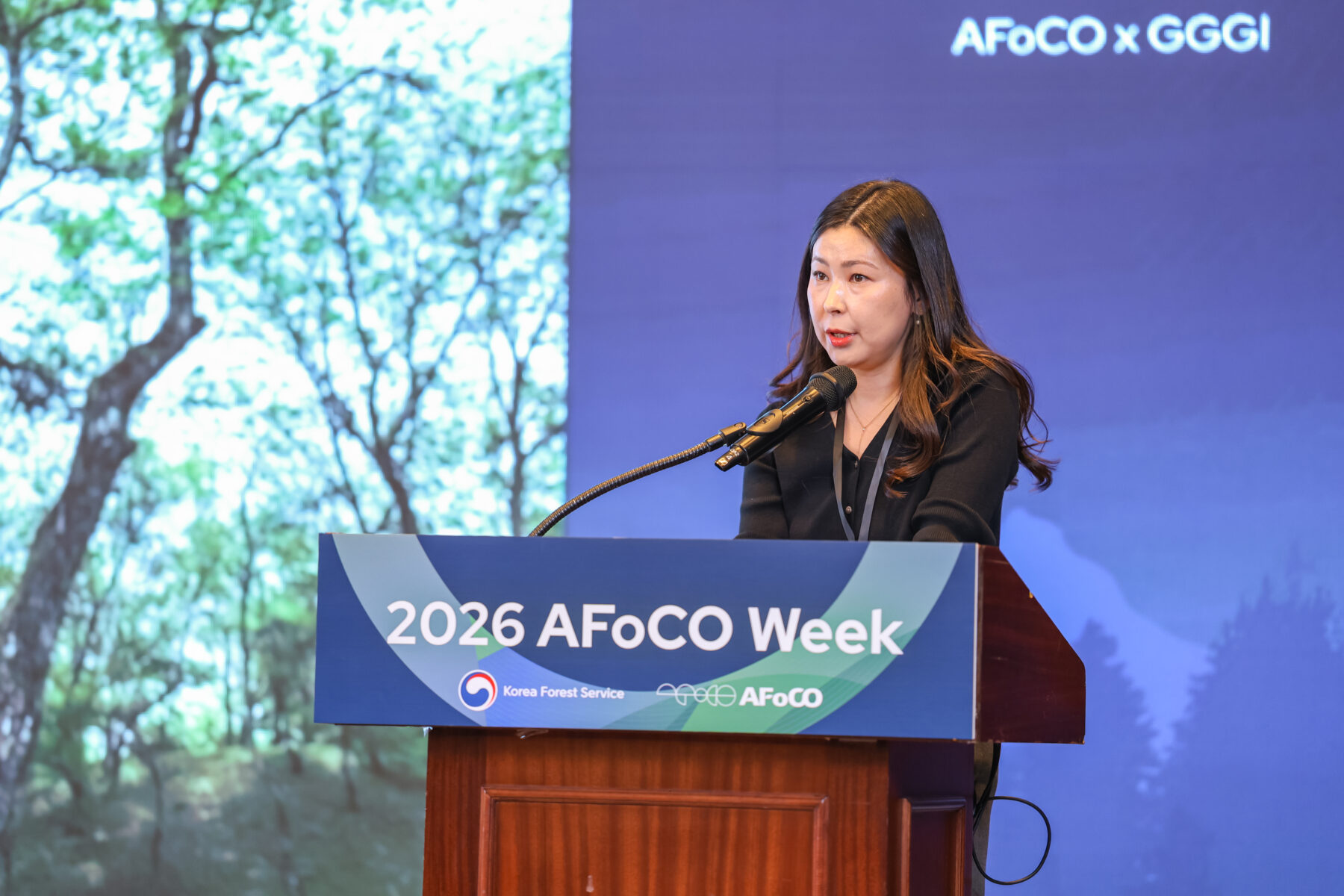
Ms. Aidai Zhumasheva, Program Officer at Forest Carbon Division, AFoCO
She introduced the AFoCO–Acorn agroforestry project in Kyrgyzstan, where participation has grown from around 500 to about 17,000 farmers, combining fruit-tree planting with satellite-based MRV and carbon market readiness.
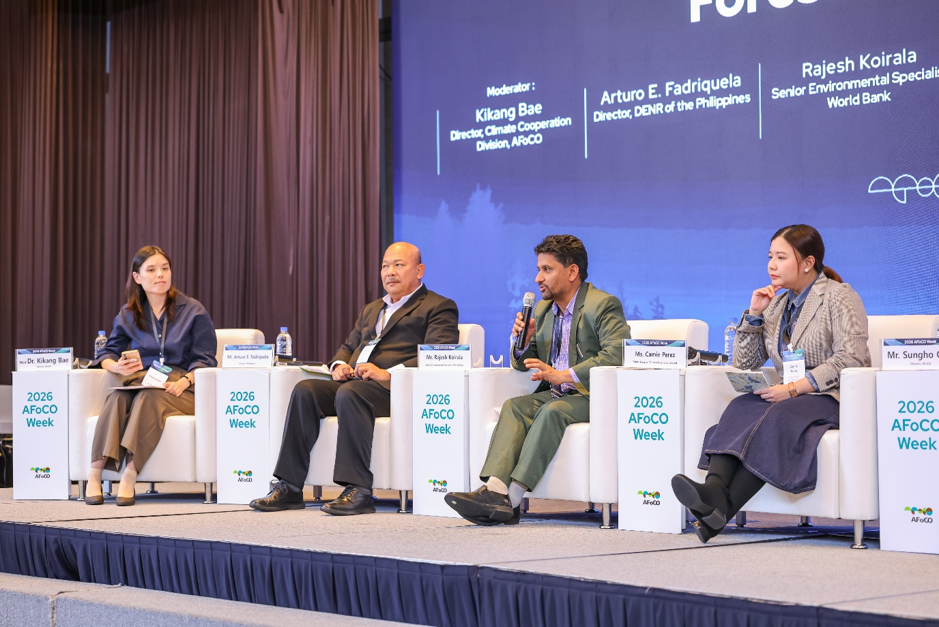
Moderated by Dr. Kikang Bae, Director of Climate Cooperation Division, AFoCO, the panel discussion on “Investment Strategy” addressed bankability and project readiness. Mr. Arturo E. Fabriquela of the Philippines DENR explained how Sustainable Forest Management Agreements provide 25-year land tenure, while Dr. Rajesh Koirala, Senior Environmental Specialists of World Bank emphasized elevating forestry in national policy agendas and demonstrating repayment capacity for MDB loans. Dr. Camie Perez, Senior Director of CI recommended early engagement, reliable MRV, and diversified funding sources, and Mr. Sungho Choi, Director of Forest Carbon Division, AFoCO shared practical challenges in site selection, monitoring, and navigating international carbon market rules. Dr. Junhee Cha, Forest Carbon REDD+ Specialist of GGGI noted that voluntary credits do not automatically qualify as Article 6 ITMOs and proposed joint MRV between AFoCO and GGGI, and Ms. Maralgoo Ganbat, Mongolia Country Coordinator of AFoCO presented a green investment model under the Mongolia Resilient Landscapes Project designed to diversify revenue and benefit local communities.
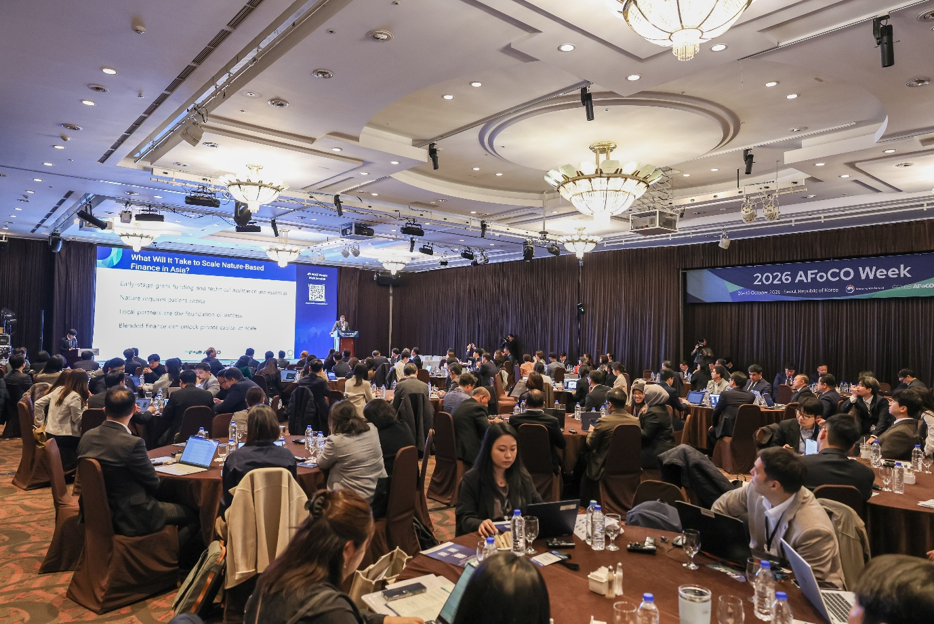
The 4th FAAF Forum built a shared understanding of the key requirements of investable forest restoration projects, including revenue models, project scale, risk-sharing, and environmental and social performance. It highlighted public and private financing approaches applicable to forest and land restoration in Asia and the growing role of local governments, carbon markets, and intergovernmental partnerships. The Forum also set a clear direction for FAAF to move beyond information sharing and networking toward supporting project identification, investment readiness, partner matching, and finance linkage across AFoCO Member Countries.
Contributed by Hannah Suh, Program Officer, Climate Cooperation Division, AFoCO; Seoyeon Kim, Jeongeun Seo, Seoyeon Kim, IFSA