
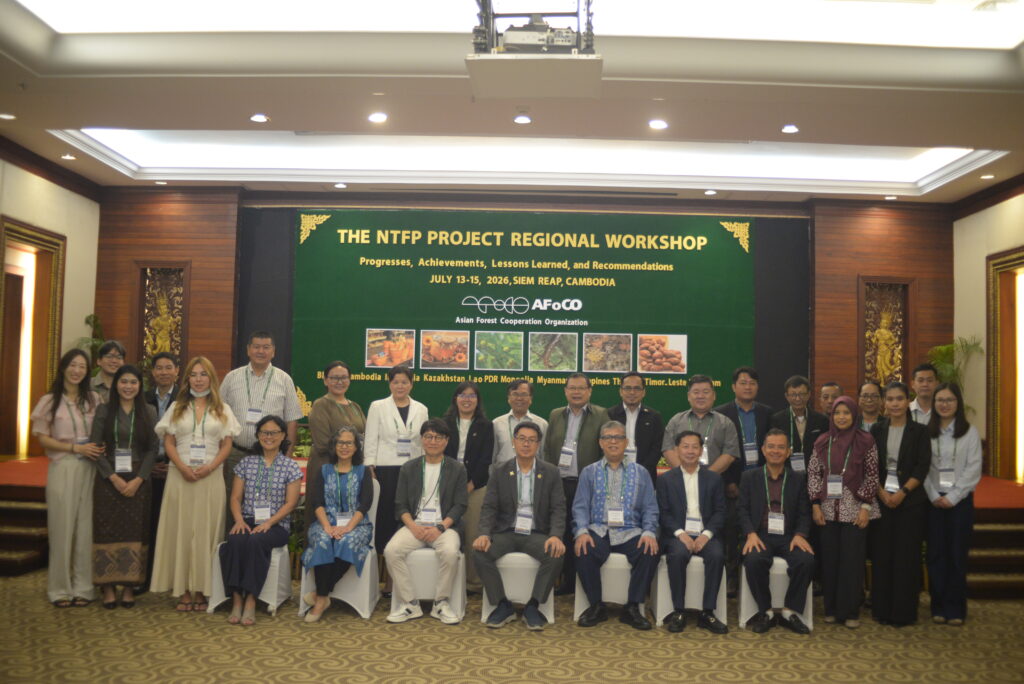
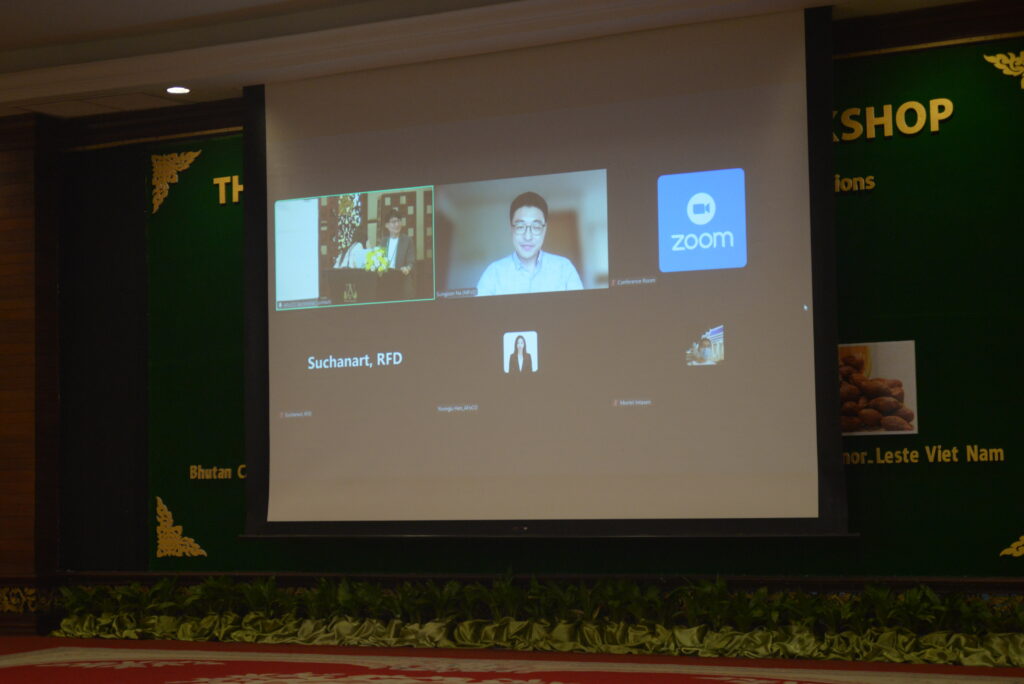
The Asian Forest Cooperation Organization (AFoCO) successfully convened the Fifth Regional Workshop for Knowledge-Sharing on the NTFP Project from 13 to 15 July 2026 in Siem Reap, Cambodia. Approximately 30 participants representing nine participating member countries gathered, with Thailand joining virtually, to share project achievements, exchange lessons learned, and advance the development of the Community-Based NTFP Enterprise (CBNE) Best Practice Guideline/Toolkit as the project enters its final phase of implementation.
Participated Countries
Bhutan, Cambodia, Indonesia, Kazakhstan, Lao PDR, Mongolia, Myanmar, Philippines, Thailand (online), Viet Nam
Opening Session
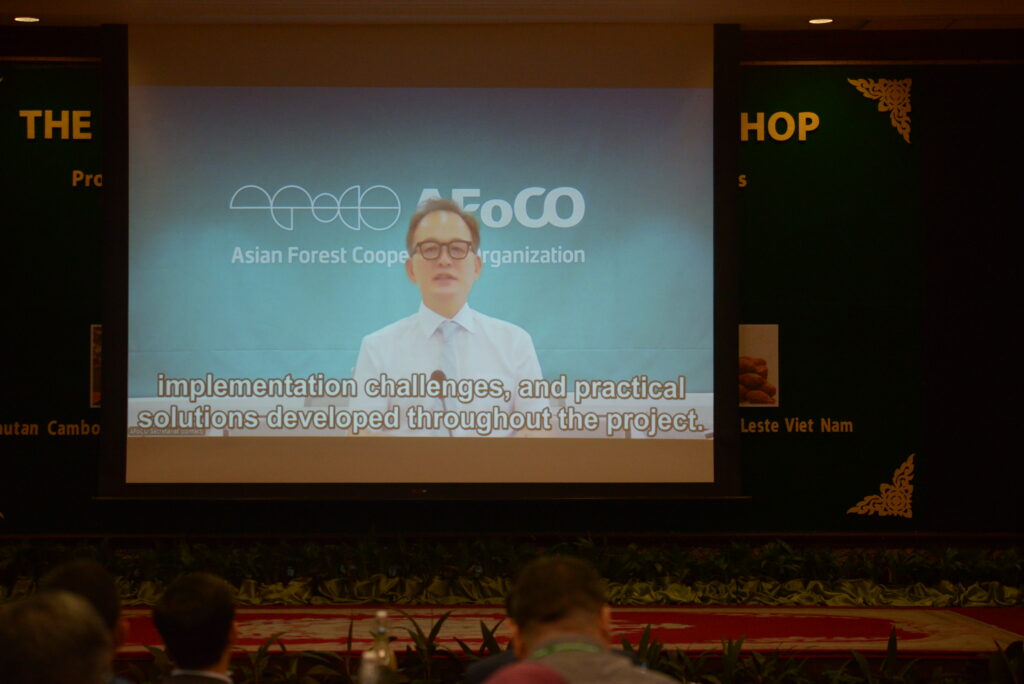
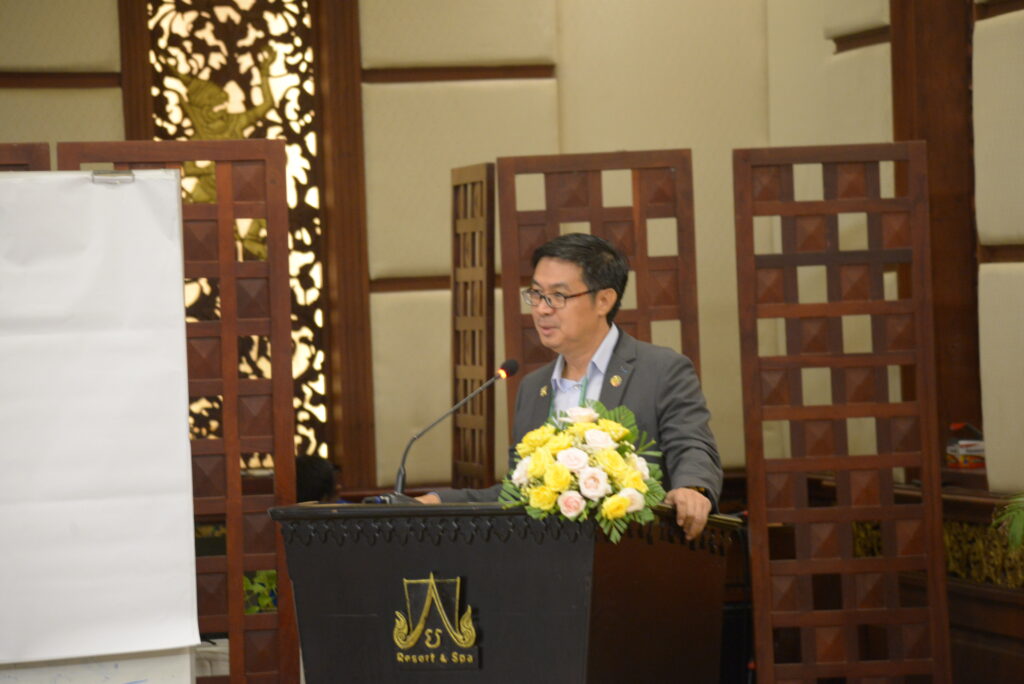
Moderated by Dr. Park Junghwan, the Regional Project Manager of the NTFP project, the Regional Workshop opened by AFoCO Executive Director Dr. Park Chongho via pre-recorded video, and welcomed by Mr. Chan Ponika of Cambodia’s General Directorate of Forestry and Wildlife. Dr. Na Sung-Jun of the National Institute of Forest Science, Korea, delivered a keynote on Korea’s NTFP policies and R&D.
Refresher course on CBNE
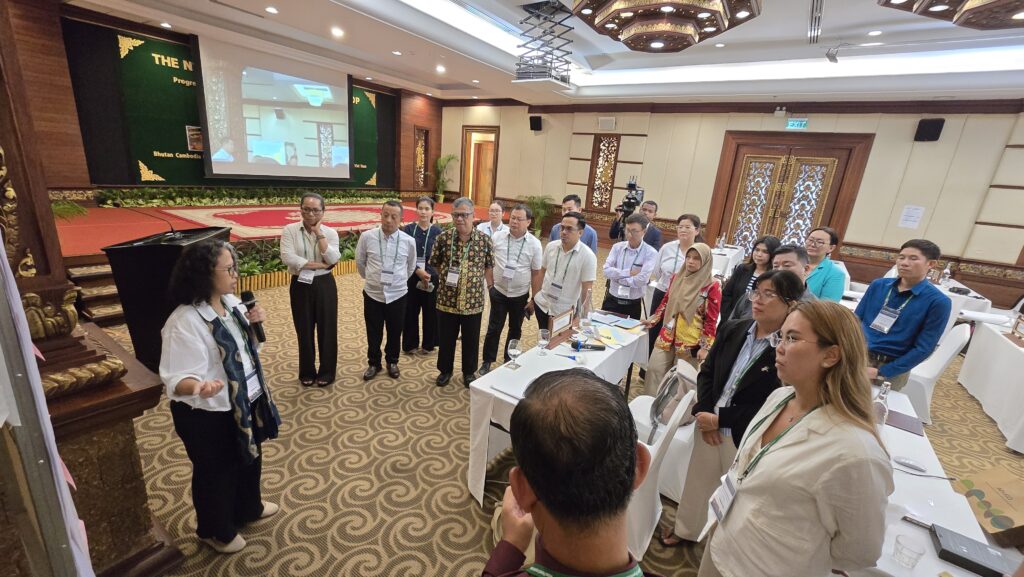
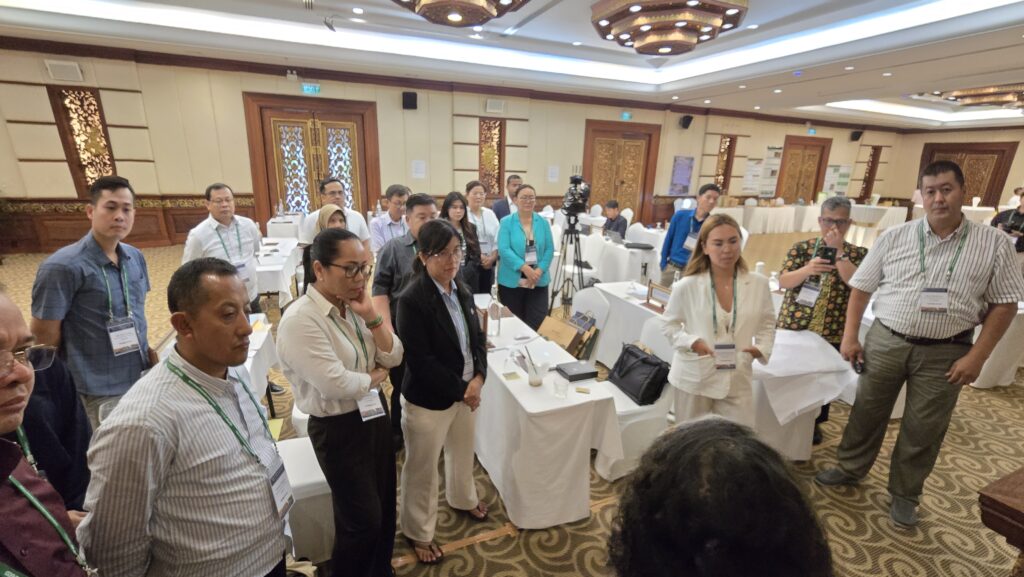
NTFP-EP Asia consultants facilitated an interactive, game-based refresher on the key components of CBNE development, covering community livelihood appraisal, sustainable resource management, business modeling, enterprise formation, and long-term sustainability.
Knowledge-sharing sessions
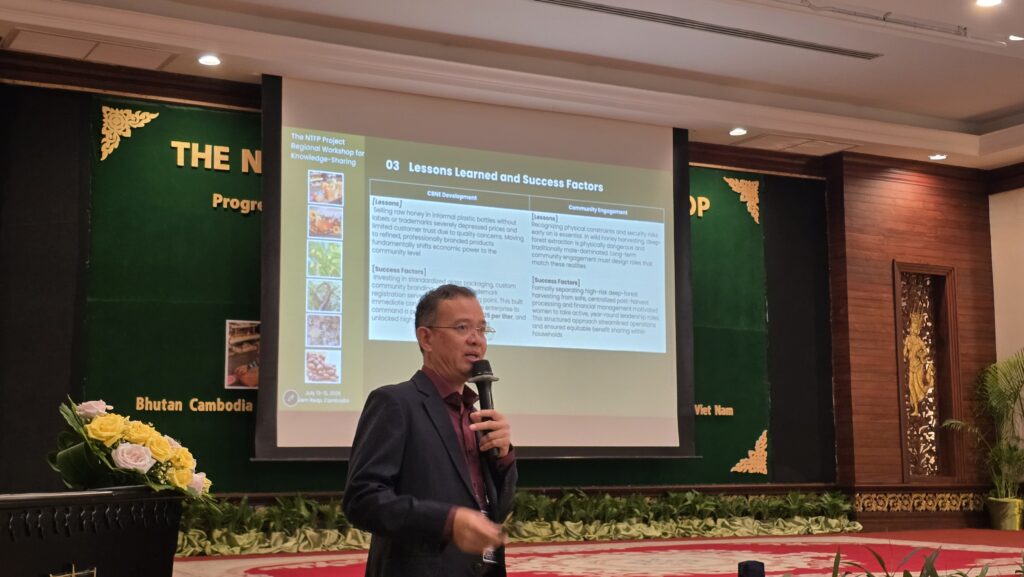
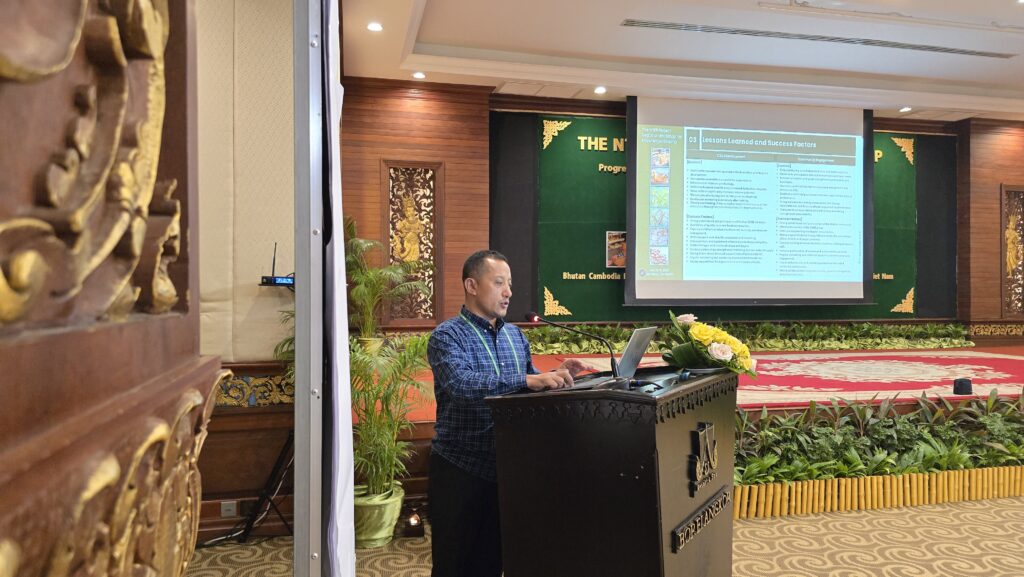
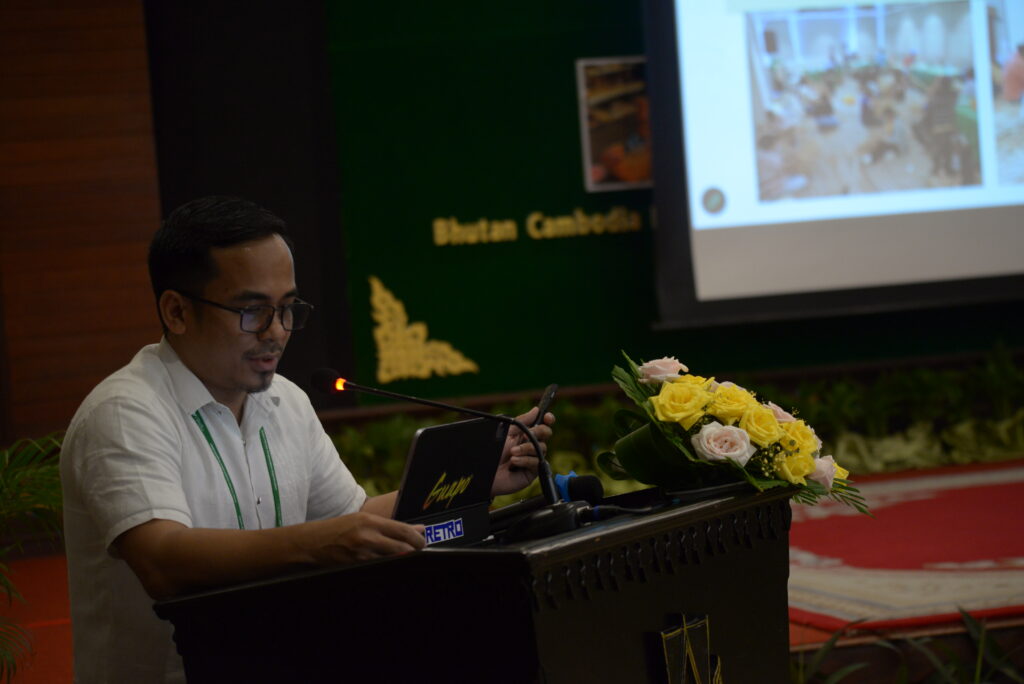
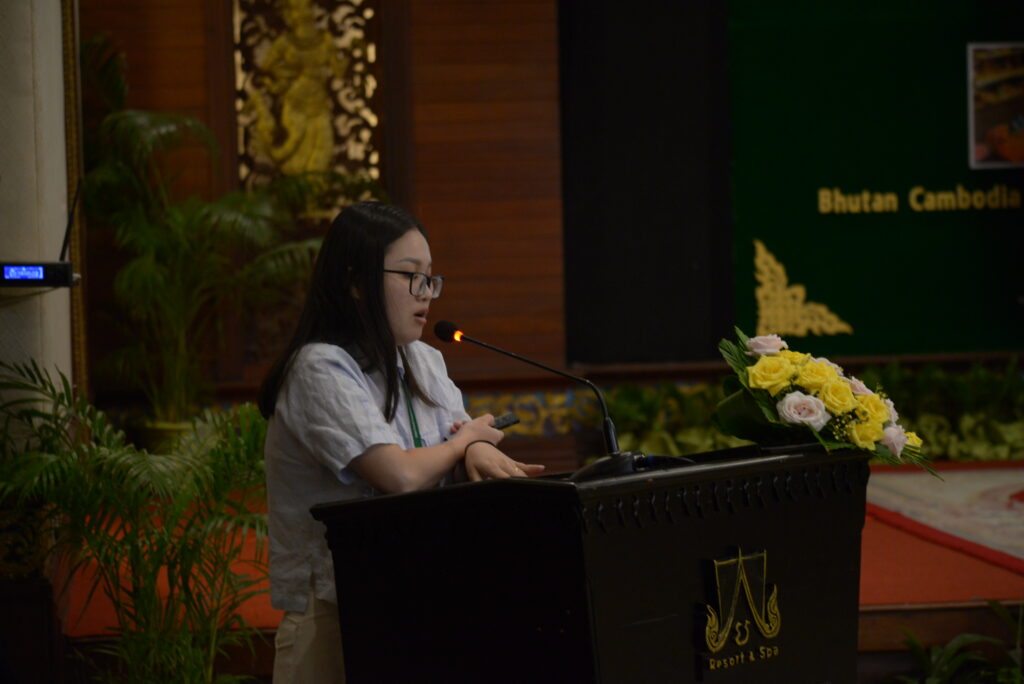
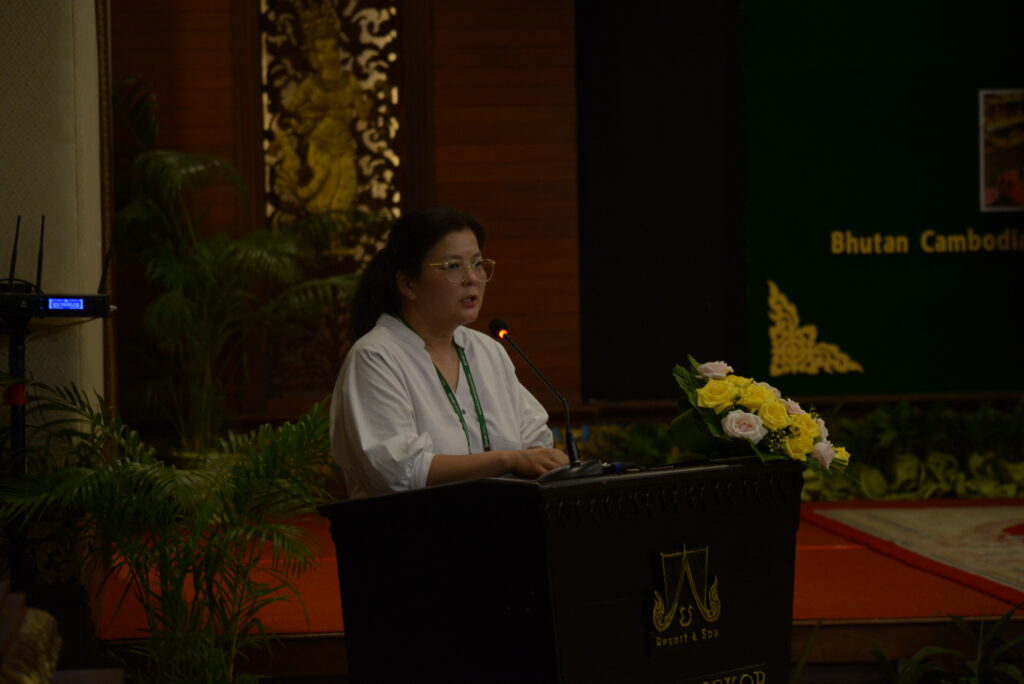
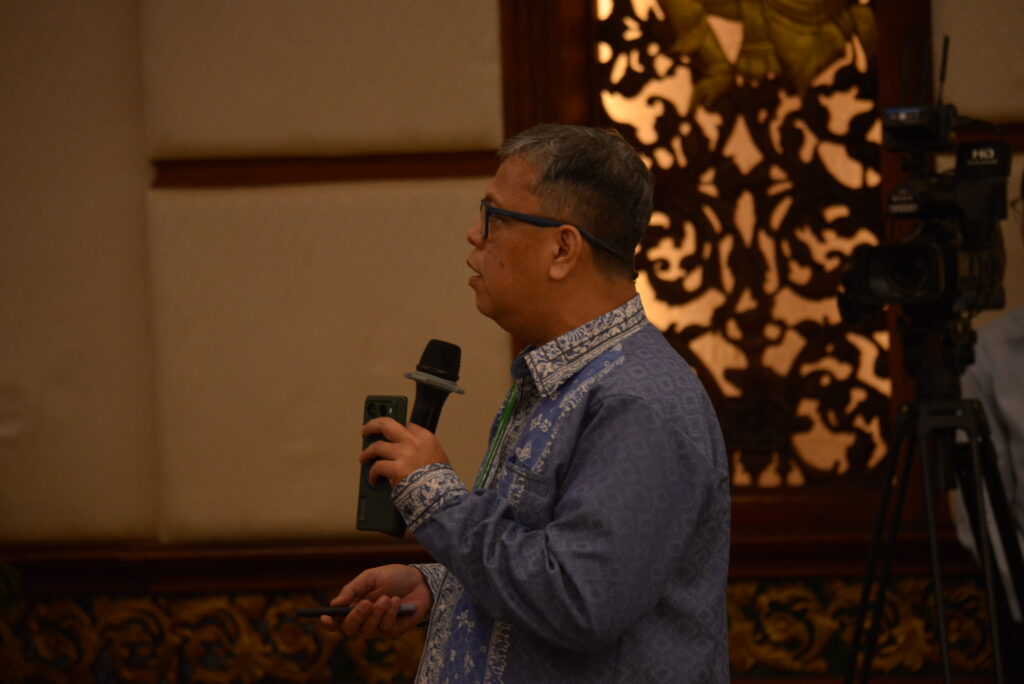
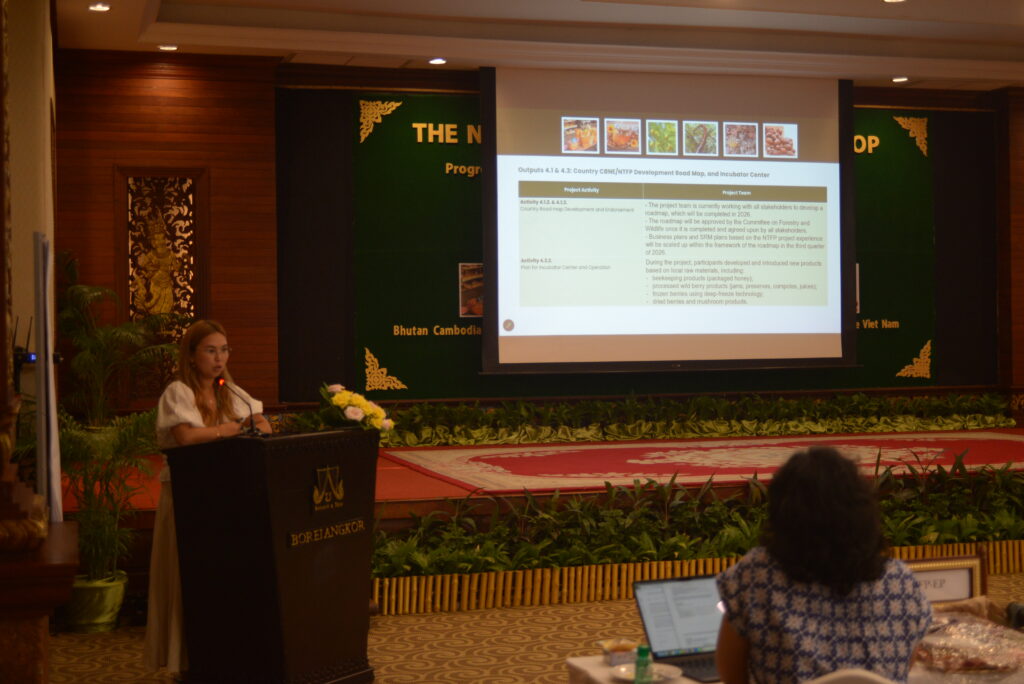
All participating countries presented their project achievements, implementation experiences, key success factors, challenges, and recommendations. The session was moderated by Dr. Park Junghwan, Regional Project Manager of the NTFP Project.
Synthesis and innovations session
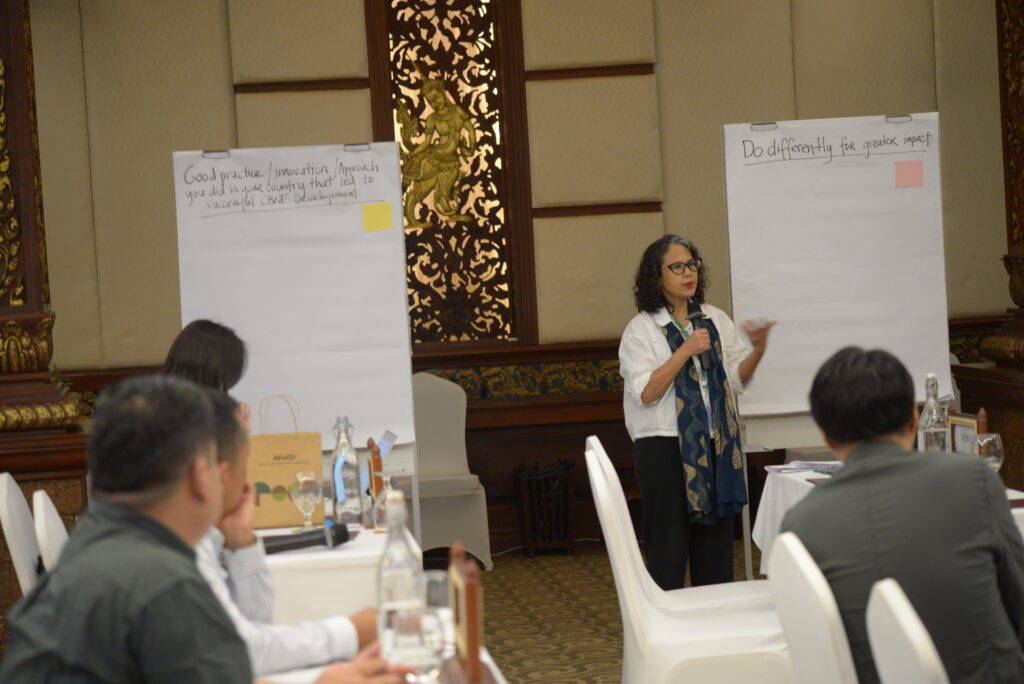
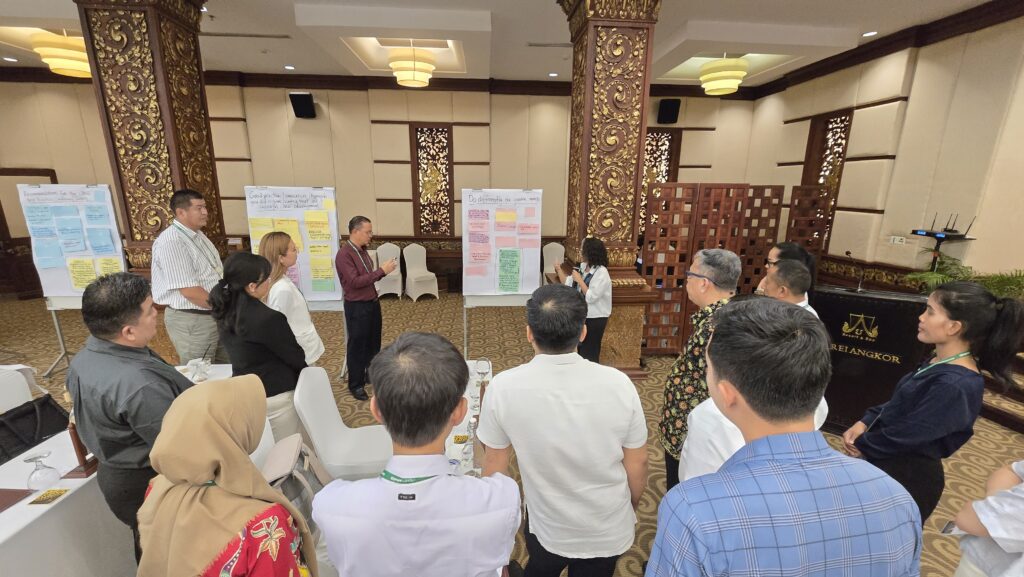
Guided by NTFP-EP Asia consultants, participants engaged in participatory discussions on successful CBNE approaches, practical innovations, common challenges, and recommendations to be incorporated into the CBNE Best Practice Guideline/Toolkit.
NTFP product promotion
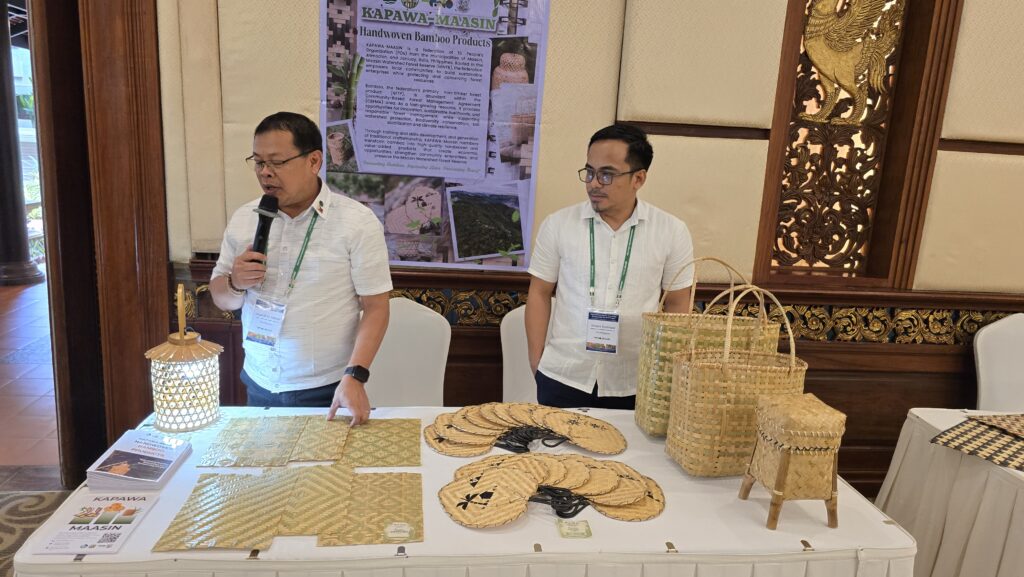
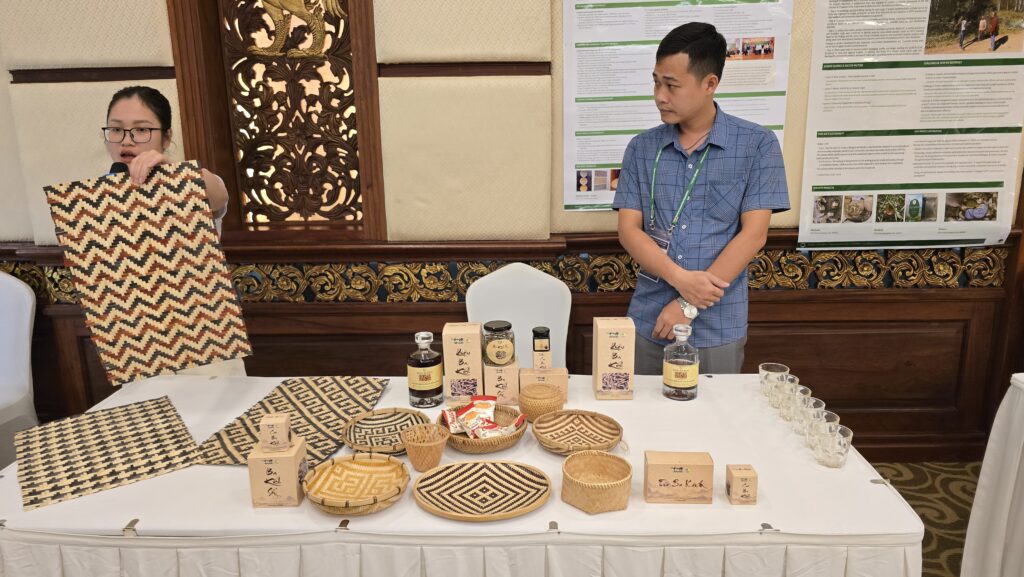
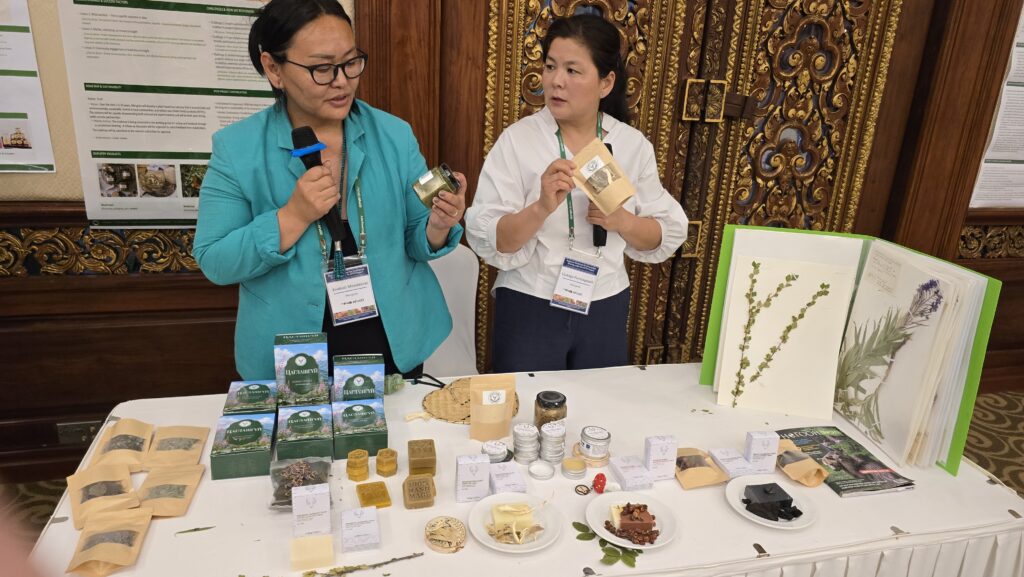
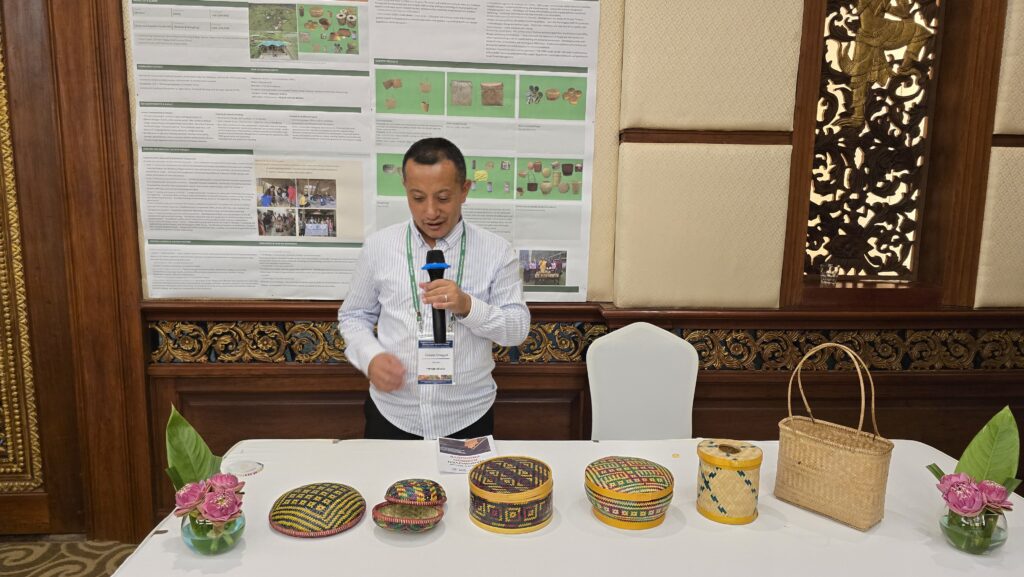
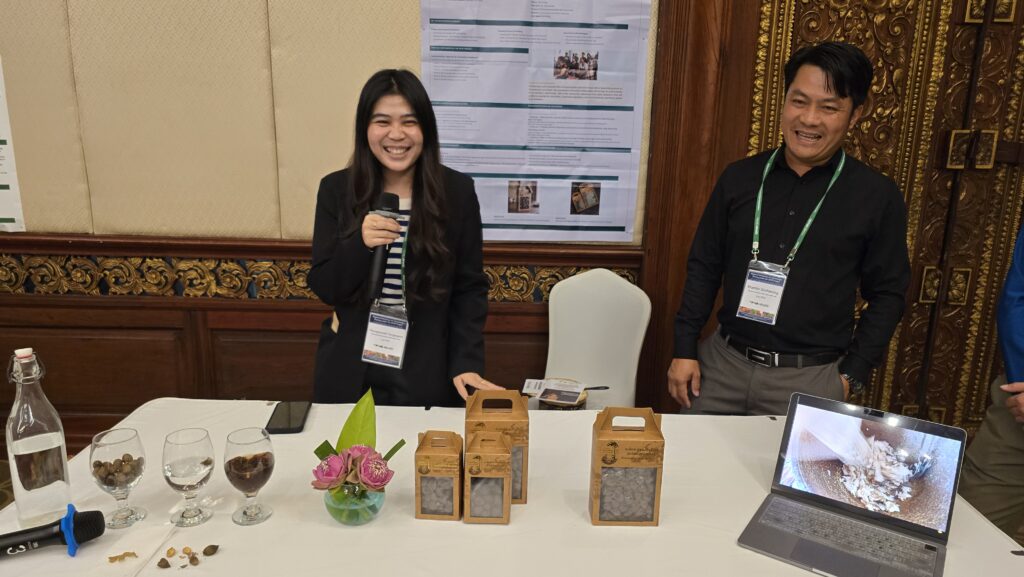
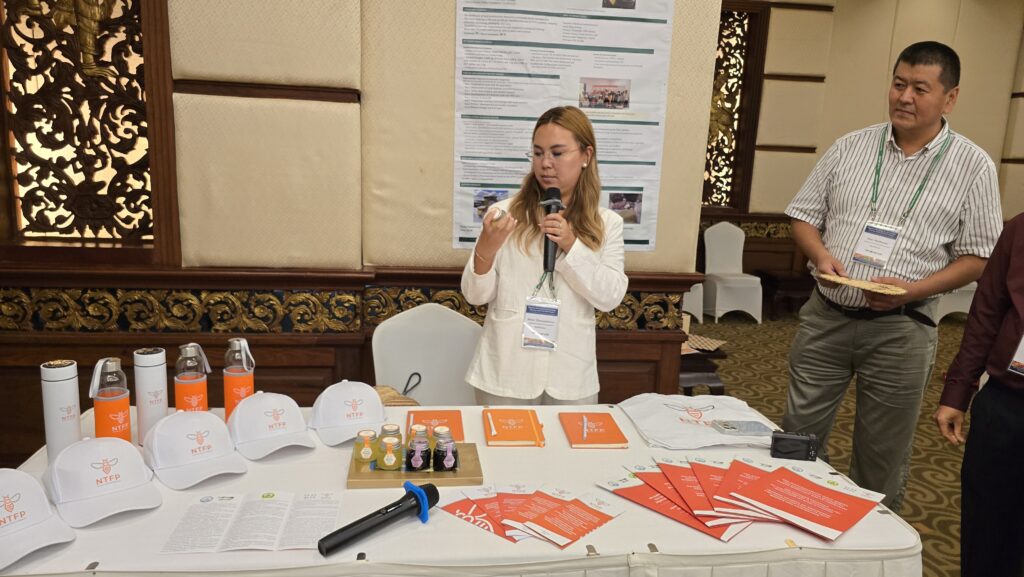
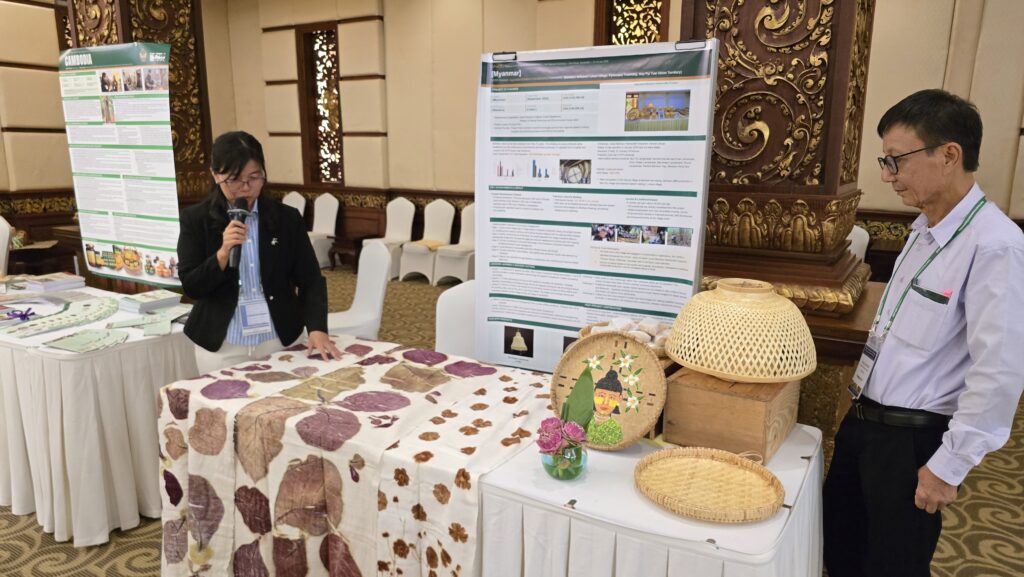
Countries showcased a diverse range of NTFP products — wild honey, bamboo handicrafts, dragon’s blood cosmetics, herbal teas, mushroom-based products, Malva nut products, and processed honey — highlighting enterprise progress and commercial potential.
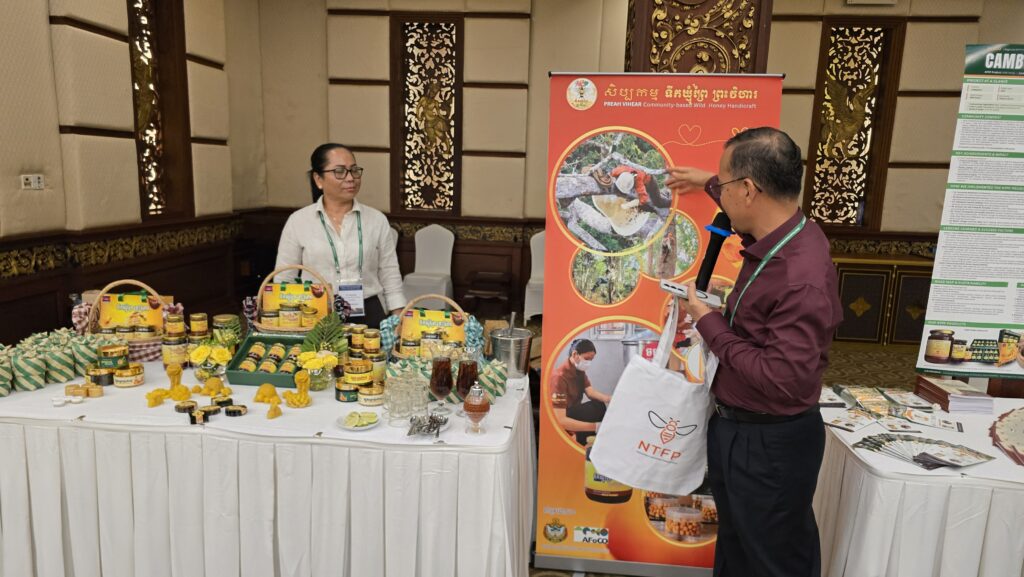
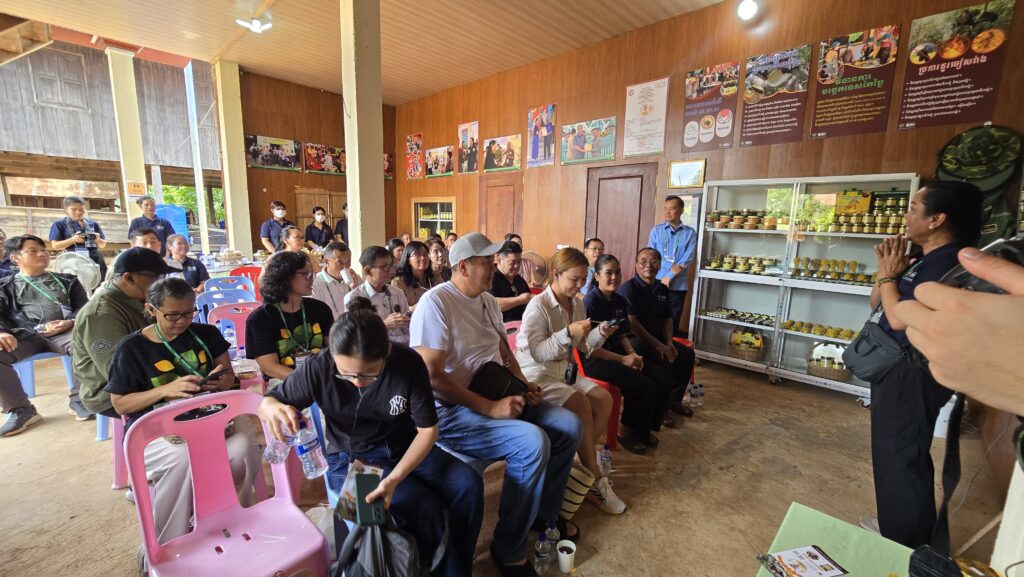
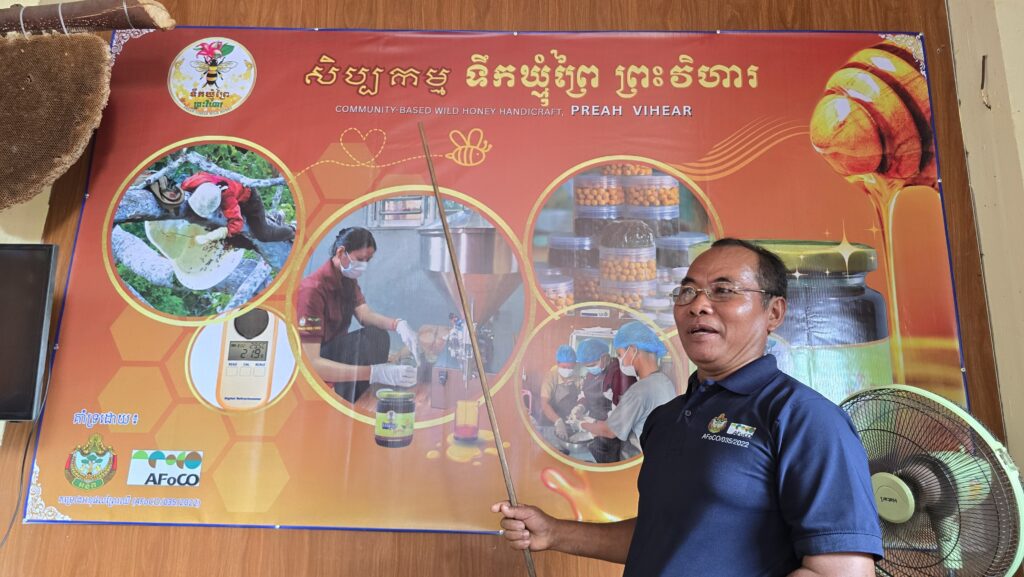
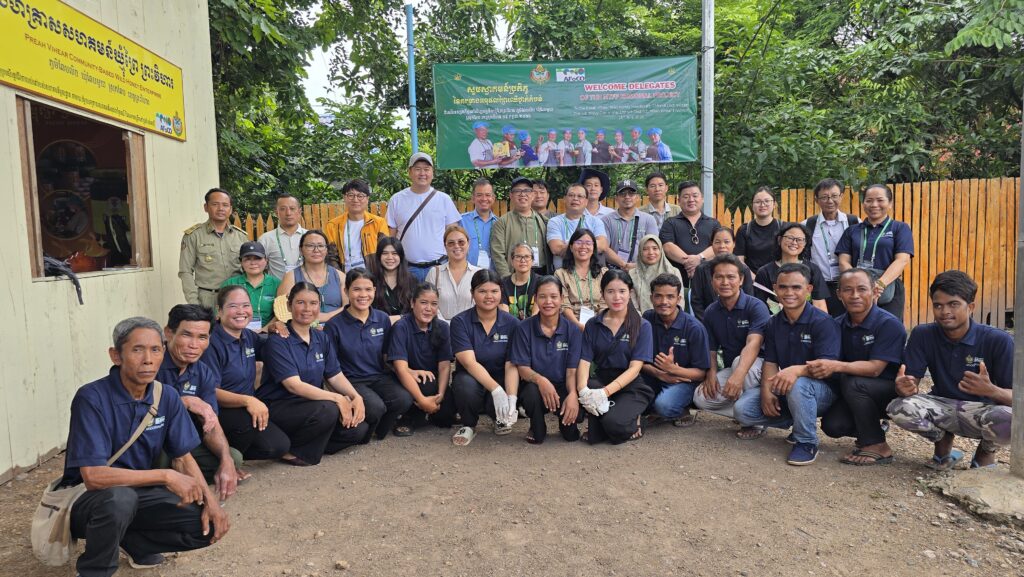
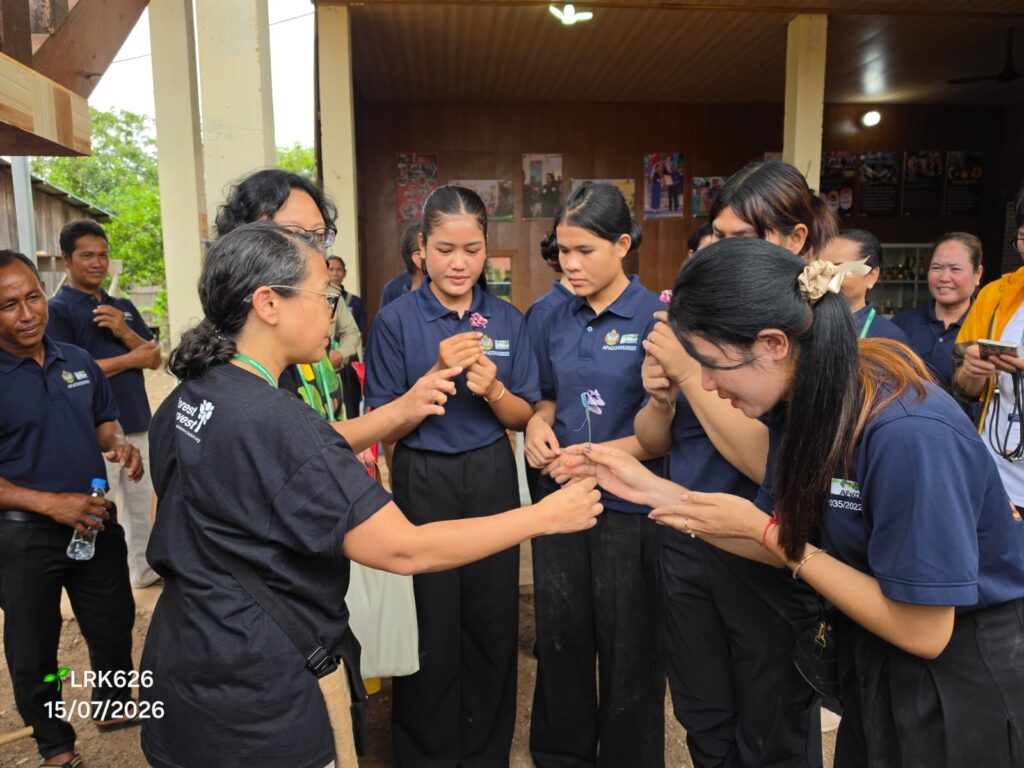
Field trip highlight — Preah Vihear Community-Based Wild Honey Enterprise
The field visit introduced participants to a community enterprise operating within approximately 2,000 hectares of community forest. With project support, the enterprise established a Sustainable Harvesting Protocol, procured semi-automatic bottling equipment, and expanded into online sales. Its registered trademark is expected to generate approximately USD 15,000 in annual revenue from 2026. Participants exchanged insights on harvesting rights, hygiene standards, and benefit-sharing mechanisms, with active youth participation highlighted as a key driver of market innovation.
Key observations and recommendations
Prioritise practical enterprise operations, market expansion, and business management during the remaining project period to demonstrate measurable livelihood improvements before project completion.
Strengthen Incubator Centre operations and establish long-term partnerships with government agencies, research institutions, and private-sector organizations to sustain community enterprises.
Expand product diversification, improve quality standards, branding, certification, and digital marketing to increase product competitiveness and access to domestic and international markets.
Document successful experiences and integrate them into the final project report and future regional NTFP initiatives across AFoCO member countries.