
On 14 July 2026, the Asian Forest Cooperation Organization (AFoCO), in collaboration with the National Institute of Forest Science (NIFoS), convened the 2nd AFoCO–NIFoS Climate Change Adaptation (CCA) and Mangrove Ecosystem Restoration (MER) Living Lab Working Group Meetings at the AFoCO Regional Education and Training Center (RETC) in Hmawbi, Myanmar.
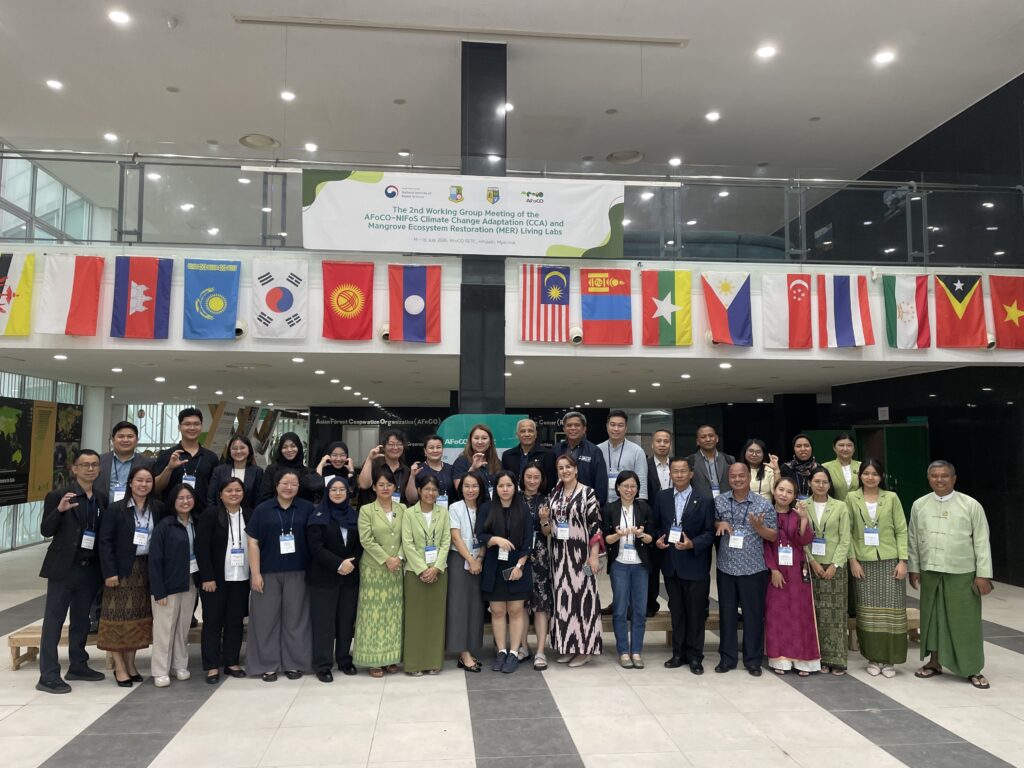
The meetings brought together representatives from 11 Member Countries participating in the Climate Change Adaptation (CCA) Living Lab: Bhutan, Brunei Darussalam, Cambodia, Kyrgyz Republic, Lao PDR, Myanmar, Philippines, Republic of Korea, Tajikistan, Thailand, and Viet Nam—and 7 Member Countries participating in the Mangrove Ecosystem Restoration (MER) Living Lab: Brunei Darussalam, Cambodia, Myanmar, Philippines, Republic of Korea, Thailand, and Viet Nam.
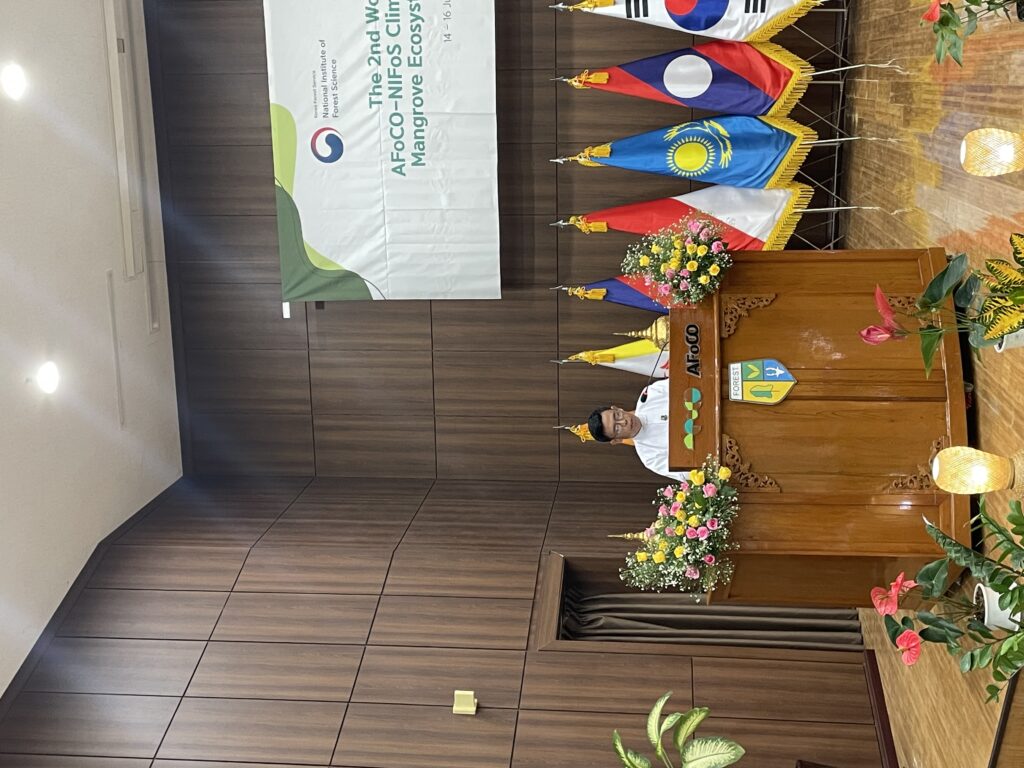
The opening ceremony featured remarks by Dr. Thaung Naing Oo, Deputy Minister of the Ministry of Natural Resources and Environmental Conservation of Myanmar, who warmly welcomed delegates from AFoCO, NIFoS, and Member Countries. In his remarks, he reaffirmed Myanmar’s longstanding commitment to AFoCO and emphasized the growing urgency of addressing climate change through sustainable forest management, biodiversity conservation, ecosystem restoration, and nature-based solutions. Highlighting the critical role of forests and mangroves in strengthening climate resilience, carbon sequestration, and disaster risk reduction, he also introduced Myanmar’s ongoing reforestation and mangrove restoration initiatives. He expressed confidence that the Working Group Meetings would further strengthen regional cooperation, facilitate knowledge exchange, and generate practical solutions to advance climate change adaptation and mangrove ecosystem restoration across the region.
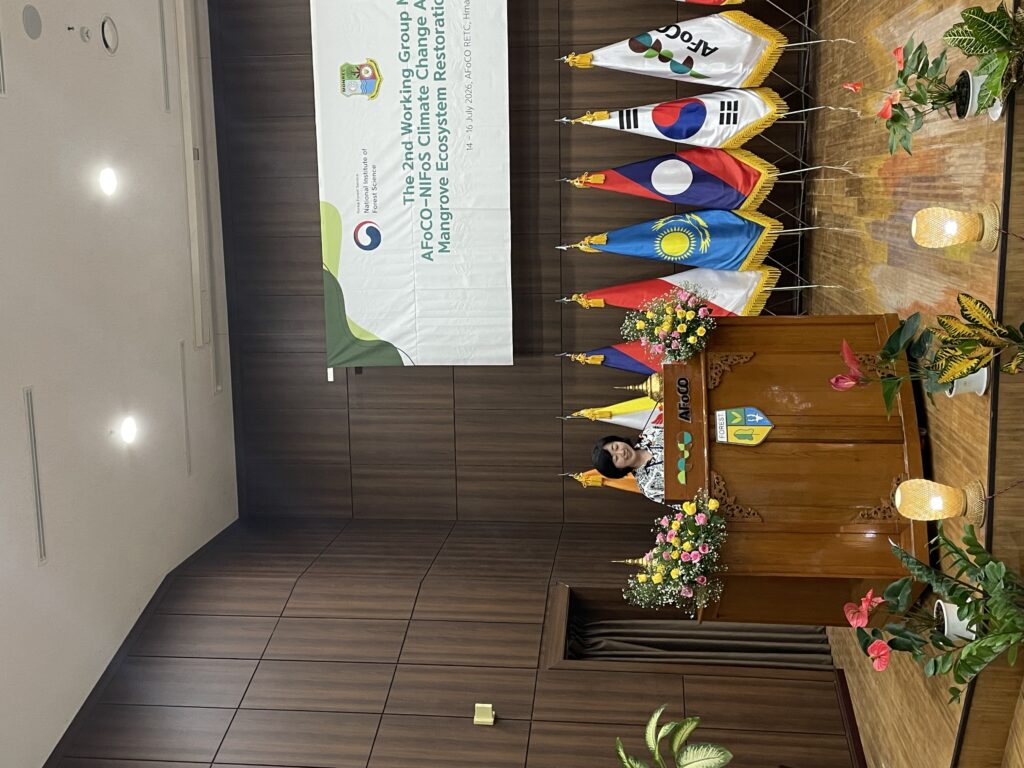
In her welcome remarks, Ms. Soozin Ryang, Team Leader of the Capacity Building and Evaluation Team at the AFoCO Secretariat, reflected on the progress achieved since the inaugural Working Group Meetings earlier this year and emphasized the transition from planning to practical, field-based implementation through the Living Lab approach. She highlighted the vision of transforming AFoCO project sites into collaborative platforms where innovative climate adaptation and ecosystem restoration solutions can be tested, demonstrated, and refined. Ms. Ryang also underscored the importance of strengthening regional collaboration, advancing the first regional synthesis report on climate change impacts in the forestry sector, accelerating science-based mangrove restoration, and promoting technical knowledge exchange among Member Countries. She concluded by encouraging participants to actively contribute to the technical discussions and expressed her sincere appreciation to the Forest Department of Myanmar for its generous support in hosting the meetings.
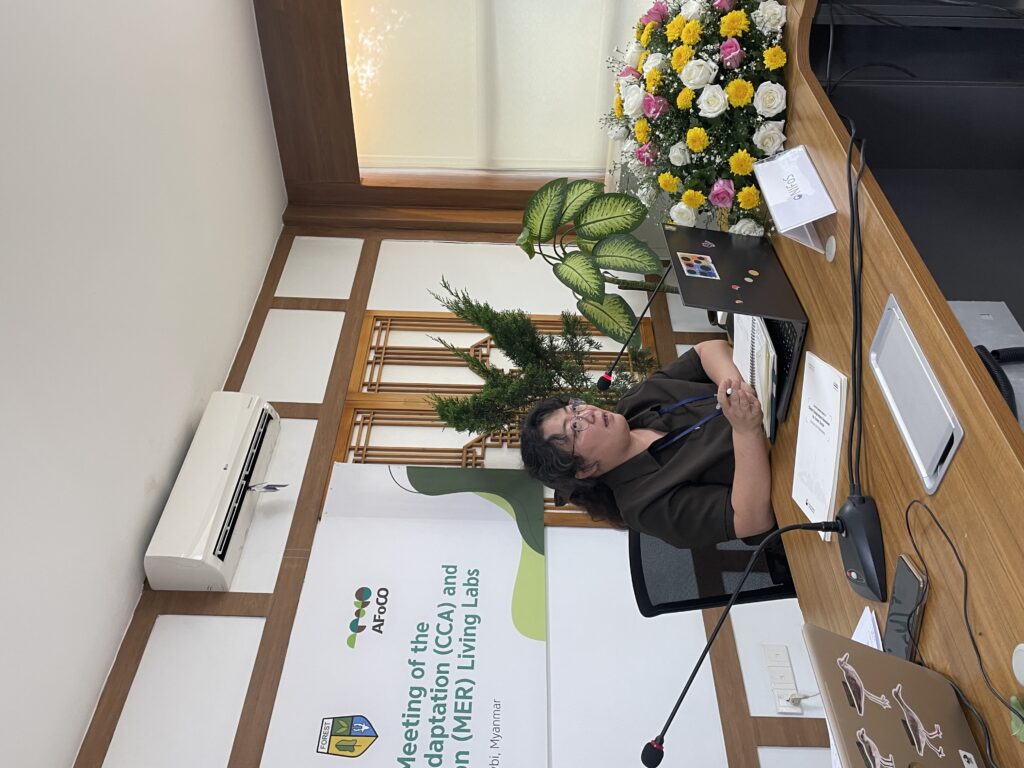
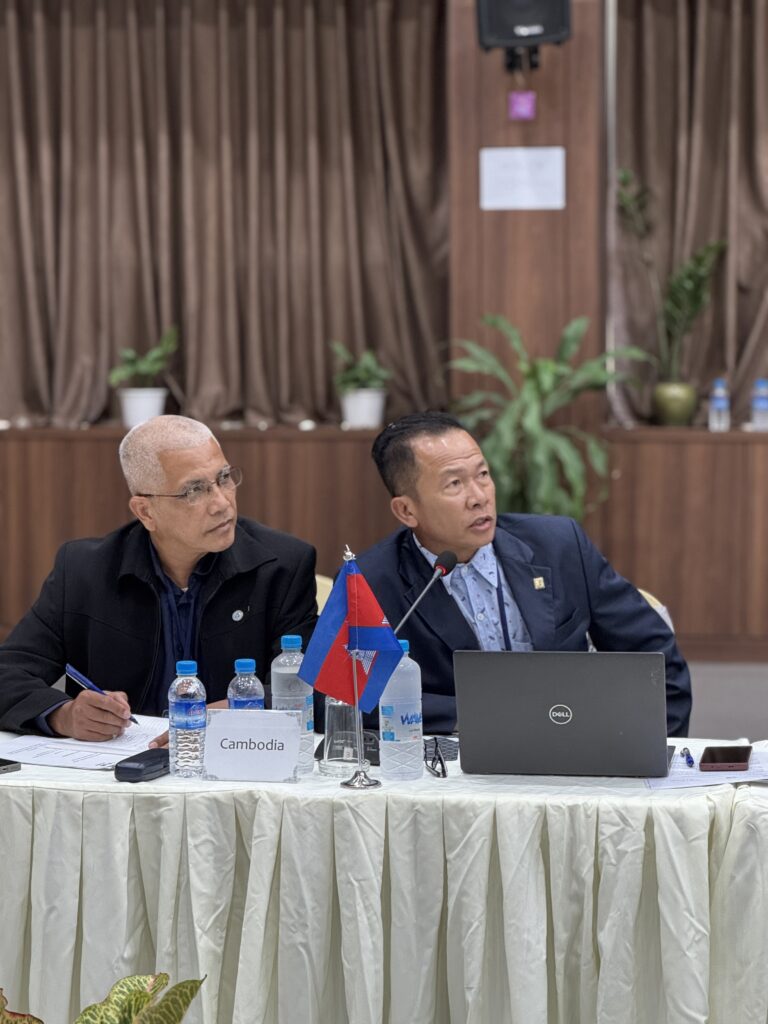
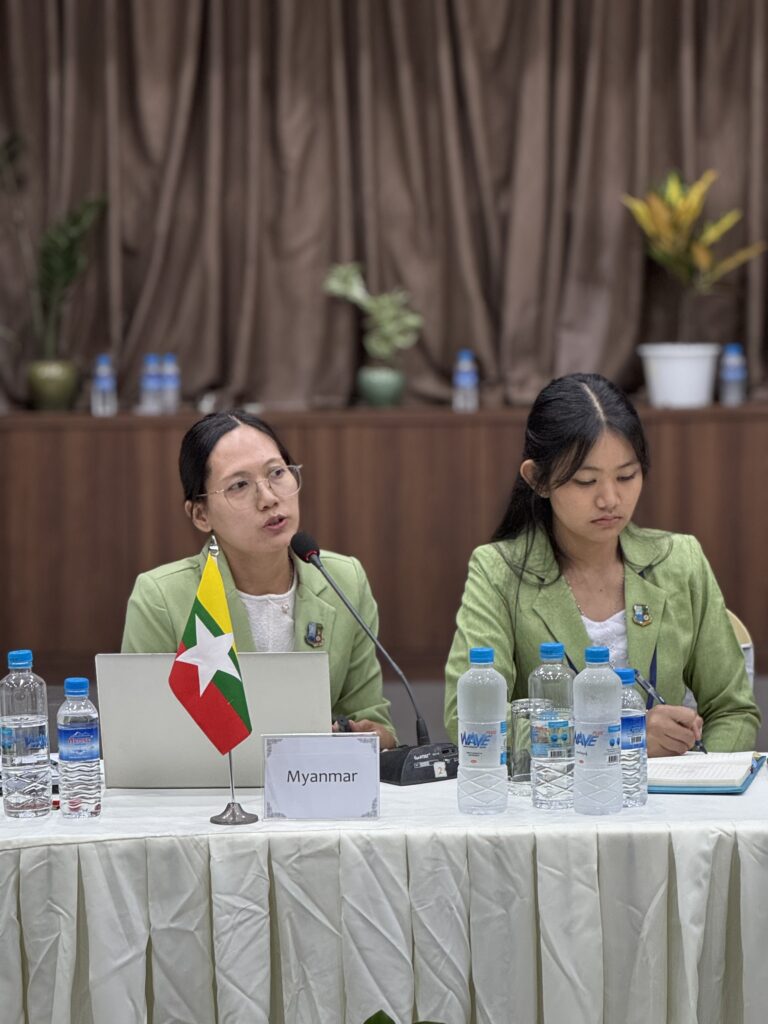
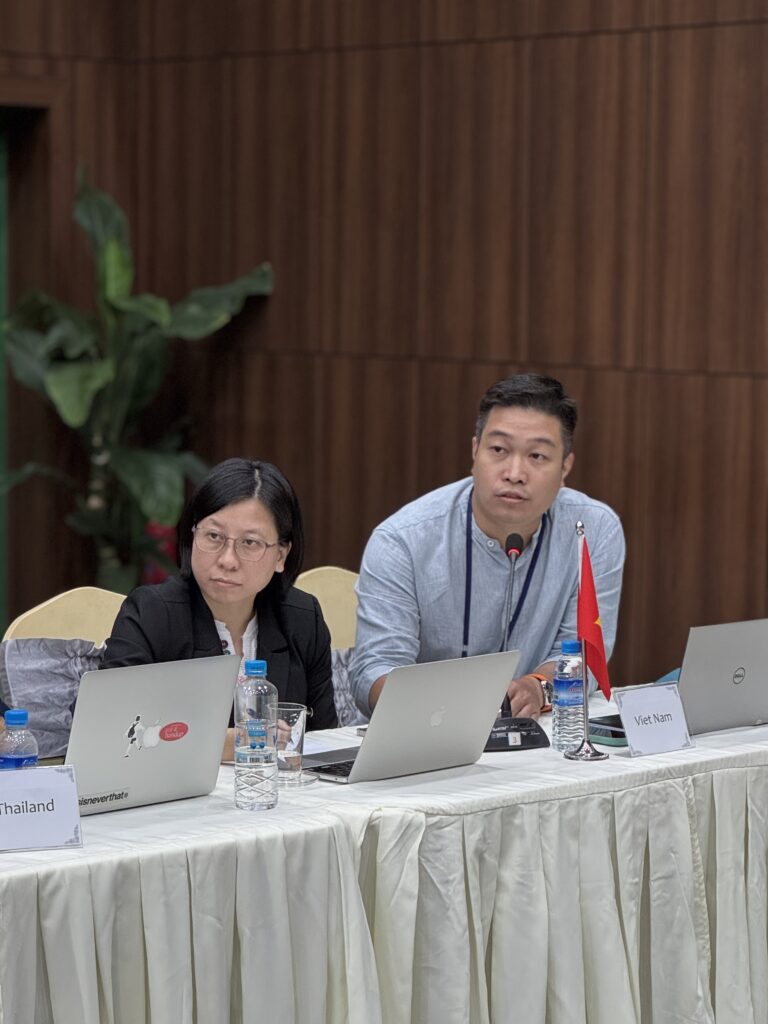
Throughout the technical sessions, Member Countries exchanged experiences, technical knowledge, and best practices on climate change adaptation and mangrove ecosystem restoration. Discussions emphasized ecosystem-based adaptation, science-driven restoration, long-term monitoring, community engagement, and strengthened regional collaboration through the Living Lab framework.
Ahead of the technical discussions, researchers from the National Institute of Forest Science (NIFoS) delivered introductory presentations to provide participants with the background, objectives, and expected outputs of the CCA and MER Living Labs.
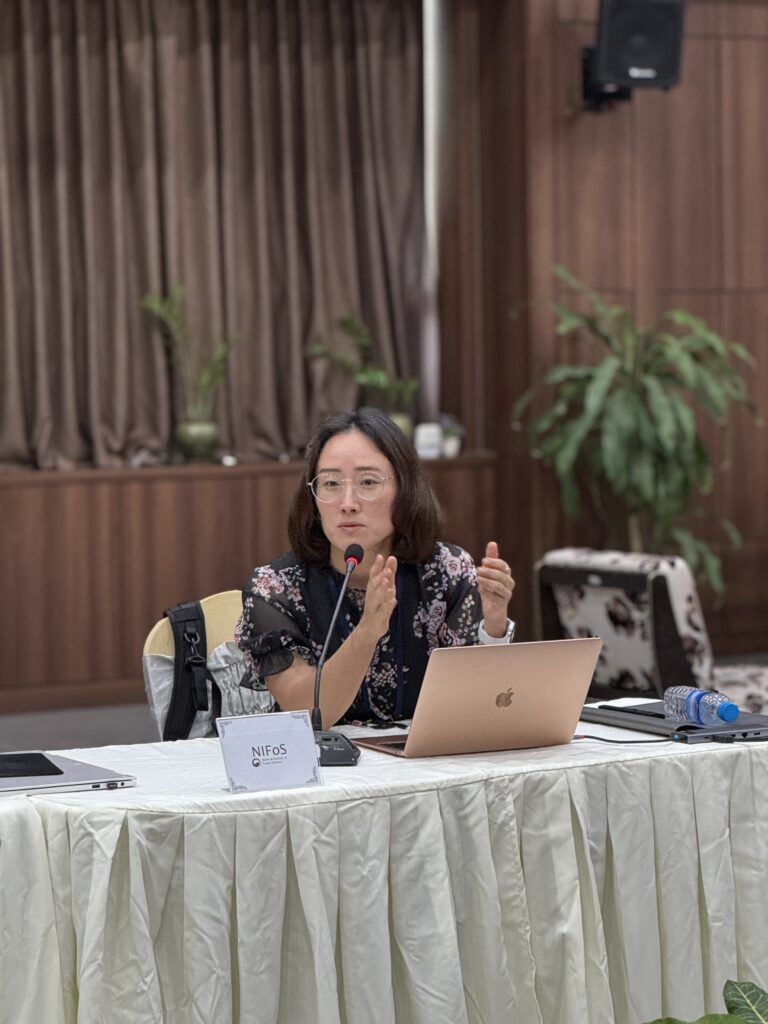
Climate Change Adaptation (CCA) Living Lab
The CCA country presentations showcased the diverse experiences, achievements, and priorities of Member Countries in strengthening forest resilience to climate change while revealing a shared commitment to science-based adaptation and regional collaboration. Across the presentations, participants emphasized that effective climate change adaptation depends on robust scientific evidence, reliable long-term monitoring, and evidence-based decision-making. Common challenges included fragmented climate and forest data, limited monitoring capacity, inconsistent climate vulnerability assessments, and the absence of harmonized methodologies for evaluating adaptation effectiveness. To address these challenges, Member Countries highlighted the need for standardized climate vulnerability assessment frameworks, common indicators, enhanced applications of GIS and remote sensing technologies, and stronger monitoring and evaluation systems supported by continuous technical capacity building and regional knowledge exchange.
At the same time, the presentations reflected the region’s diverse ecological and socio-economic conditions. Mountain countries emphasized glacier–forest interactions, watershed management, and drought resilience, while others focused on ecosystem-based adaptation, community-based forest management, forest vulnerability assessments, agroforestry, peatland restoration, and climate finance mechanisms. These complementary experiences demonstrated that effective climate adaptation requires both locally tailored solutions and coordinated regional action.
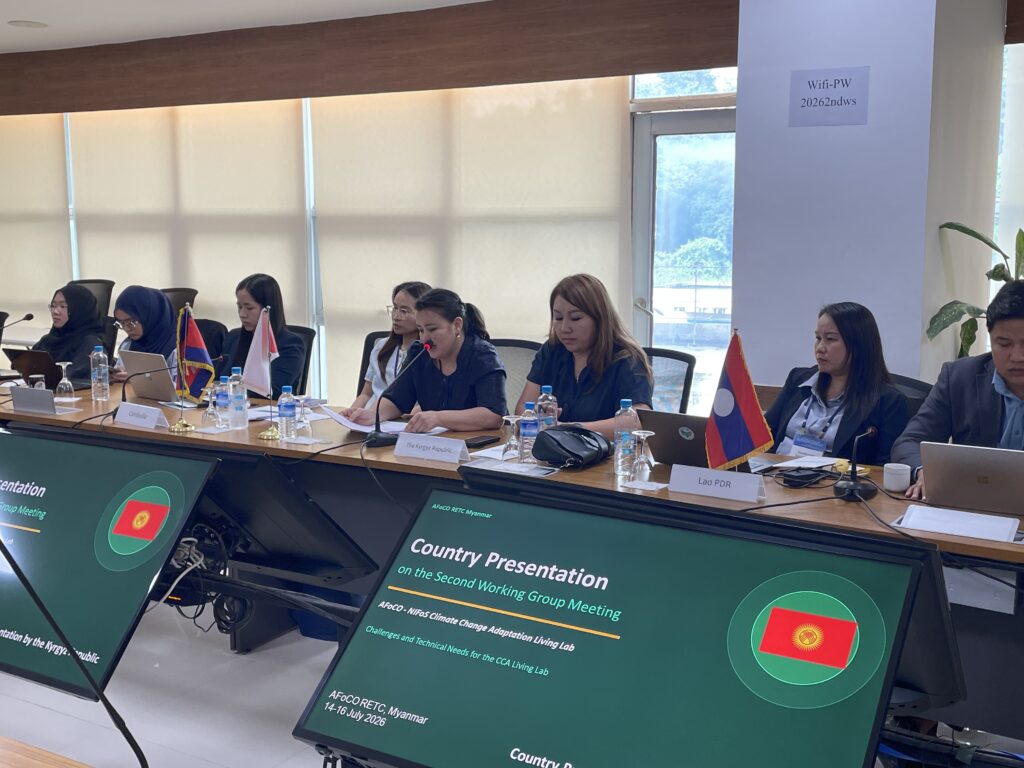
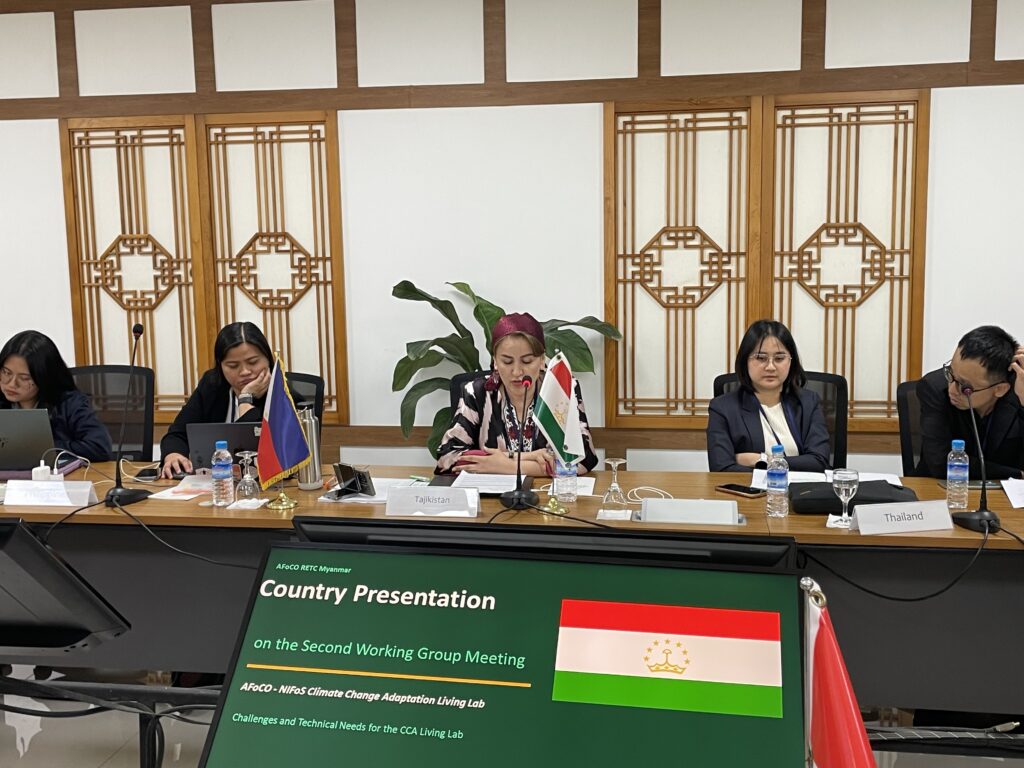
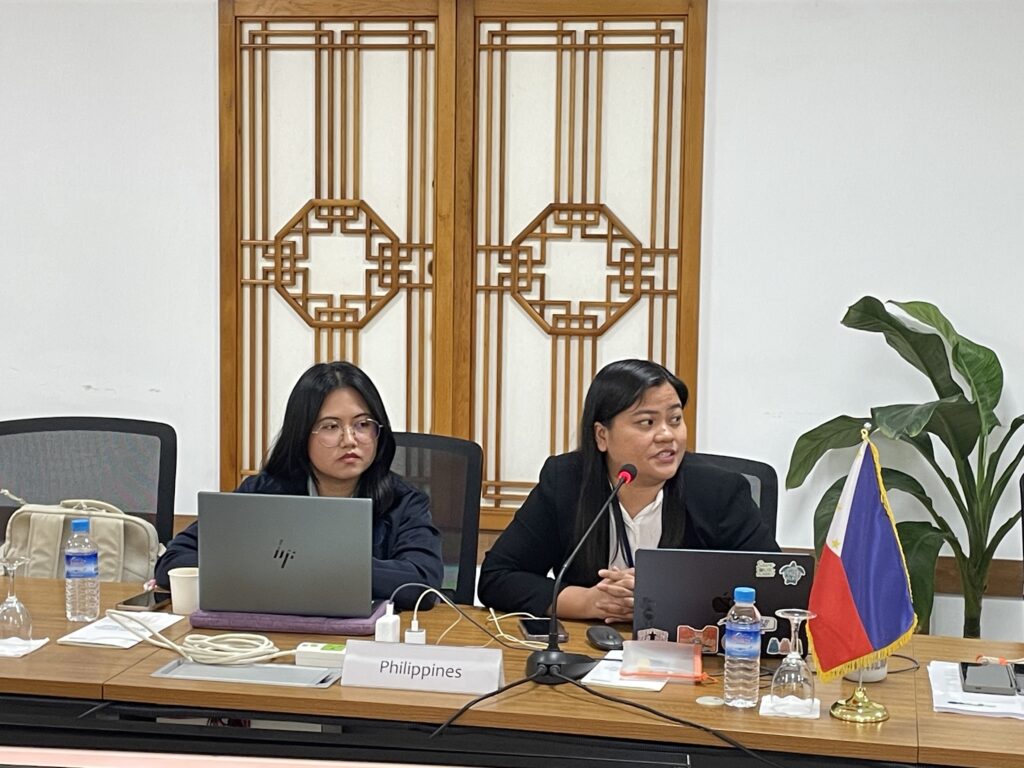
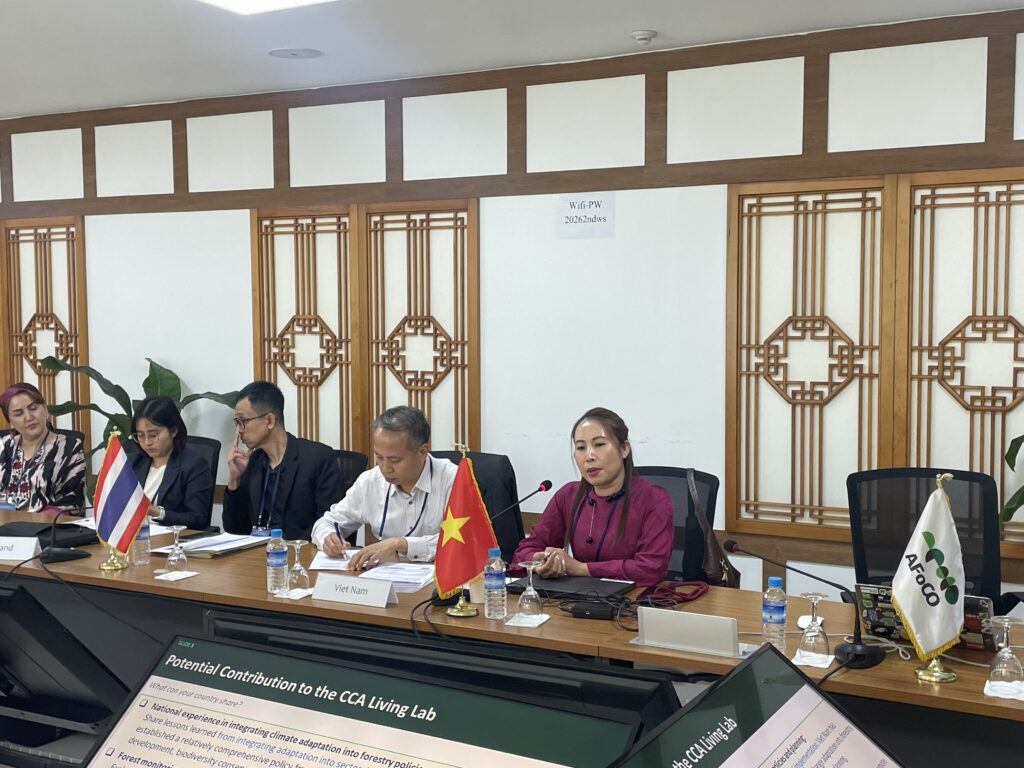
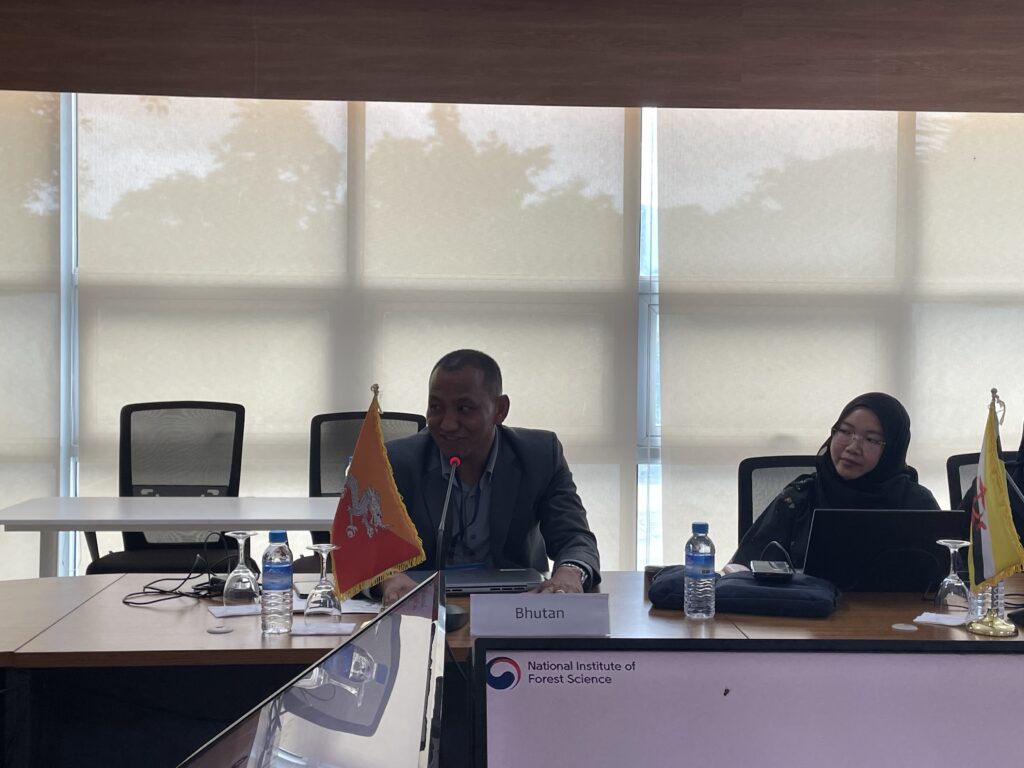
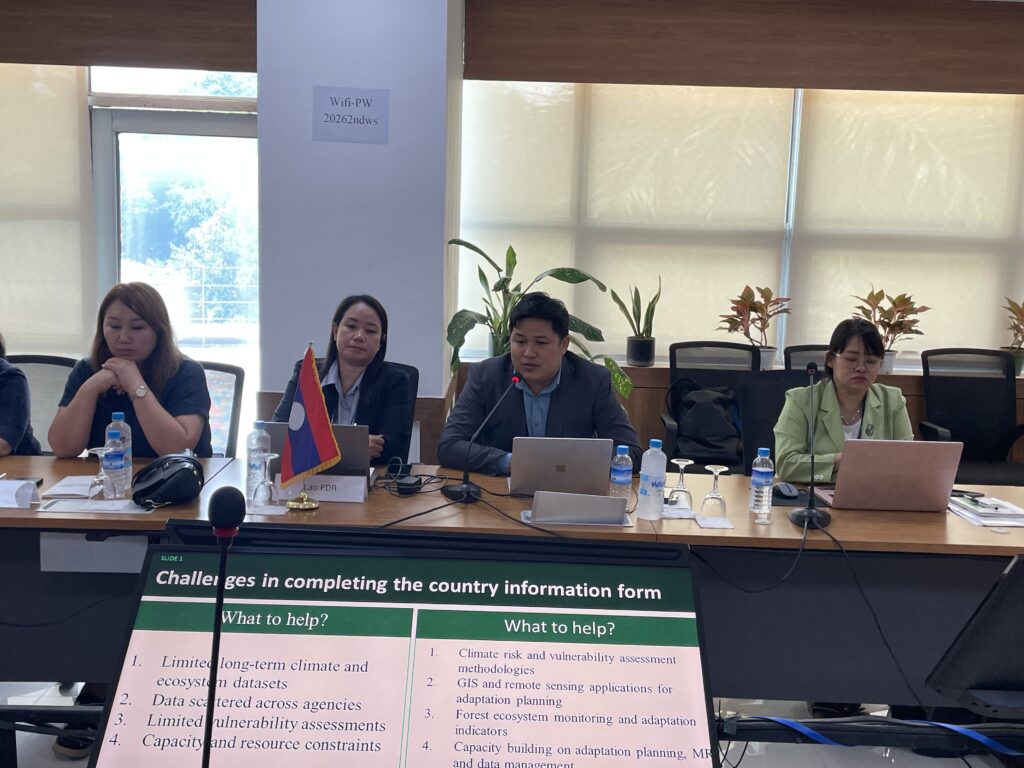
The discussions reaffirmed the CCA Living Lab as a collaborative platform for generating practical, science-based adaptation solutions. Through pilot Living Lab sites, harmonized methodologies, joint research, and the exchange of technical knowledge and data, Member Countries will work together to strengthen evidence-based forest adaptation planning and enhance the resilience of forest ecosystems throughout the AFoCO region.
Mangrove Ecosystem Restoration (MER) Living Lab
The MER country presentations provided a valuable platform for Member Countries to share experiences, achievements, challenges, and lessons learned in restoring mangrove ecosystems. While national restoration approaches reflected diverse ecological and socio-economic contexts, participants shared a common vision of advancing mangrove restoration as a critical nature-based solution for climate resilience, biodiversity conservation, and sustainable coastal development.
A key message emerging from the discussions was that successful mangrove restoration extends far beyond tree planting. Participants emphasized the importance of understanding site-specific ecological conditions, selecting appropriate species, restoring hydrological processes, and establishing long-term monitoring systems to ensure sustainable restoration outcomes. Strengthening scientific evidence through standardized restoration methodologies, GIS and remote sensing technologies, reliable monitoring systems, and improved ecological data was also identified as a regional priority.
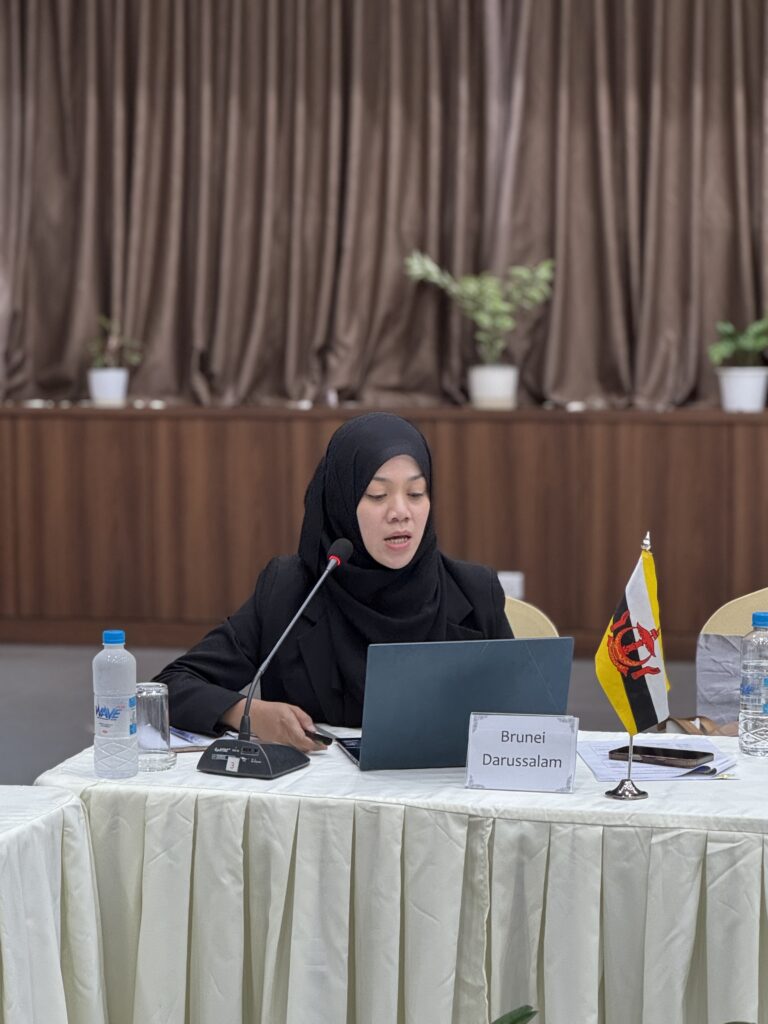
Another recurring theme was the indispensable role of local communities in achieving long-term restoration success. Member Countries highlighted how community participation, community forestry, sustainable livelihood initiatives, and local stewardship not only improve restoration outcomes but also generate lasting social and economic benefits.
The discussions further underscored the value of regional collaboration through the MER Living Lab. Participating countries agreed to strengthen technical cooperation by sharing restoration experiences, monitoring methodologies, and scientific knowledge while jointly developing practical restoration tools. Representative Living Lab sites will be established across diverse mangrove ecosystems to generate site-specific knowledge, contributing to the development of the Species–Site Matching Matrix and an open regional knowledge platform. Through these collaborative efforts, the MER Living Lab aims to advance science-based mangrove restoration practices and foster resilient coastal ecosystems across the AFoCO region.
Contributed by Dias Shakubayev, Assistant Program Officer, Capacity-Building and Evaluation Team