
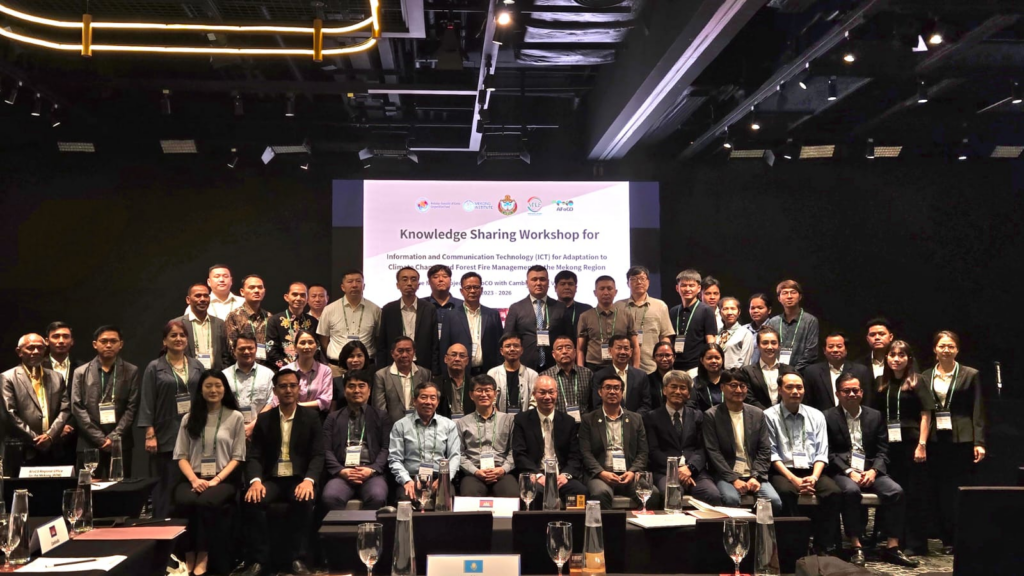
The Asian Forest Cooperation Organization (AFoCO), under the Mekong–Republic of Korea Cooperation Fund (MKCF), convened a regional Knowledge-Sharing Workshop and Learning Visit from 20 to 23 April 2026, marking a pivotal milestone in the transition of the ICT-based Forest Fire Management (FFM) System from pilot implementation to regional scaling and institutionalization.
A Timely Convergence of Technology and Regional Cooperation
As forest fires intensify across the Mekong region due to climate change, land-use pressures, and human activities, the MKCF Project, Information and Communication Technology for Adaptation to Climate Change and Forest Fire Management in the Mekong Region, has piloted an innovative, data-driven response in Cambodia and Viet Nam since 2024. The system integrates GIS-based vulnerability assessment, real-time meteorological data, fire danger rating algorithms, and smartphone-based field reporting to enable timely detection, prediction, and coordinated response.
As the project approaches its conclusion in June 2026, the Knowledge-Sharing Workshop and Learning Visit provided the strategic platform to consolidate lessons learned, showcase the system to the wider AFoCO community, and lay the groundwork for regional replication.
Opening Session: Setting the Regional Agenda
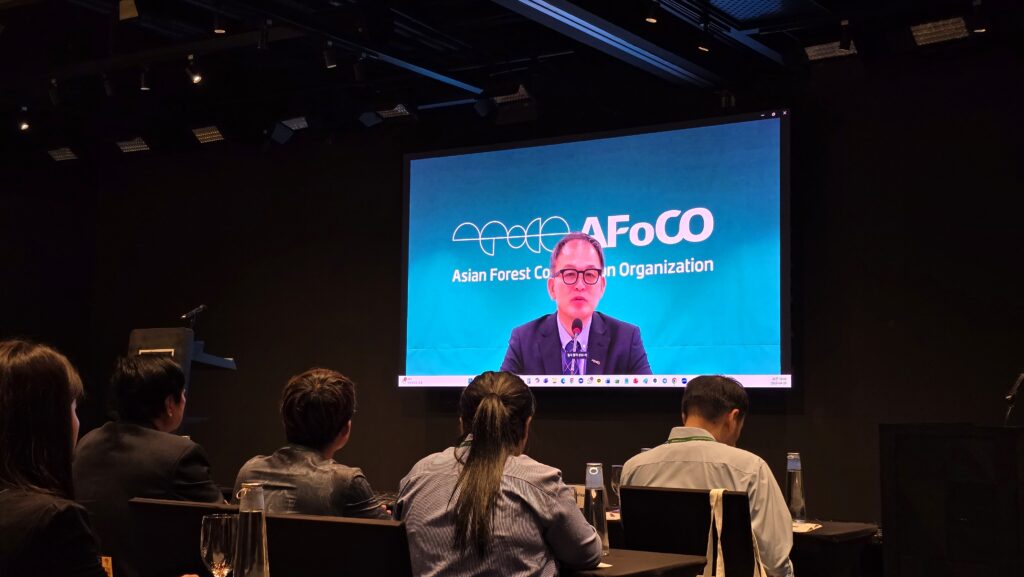
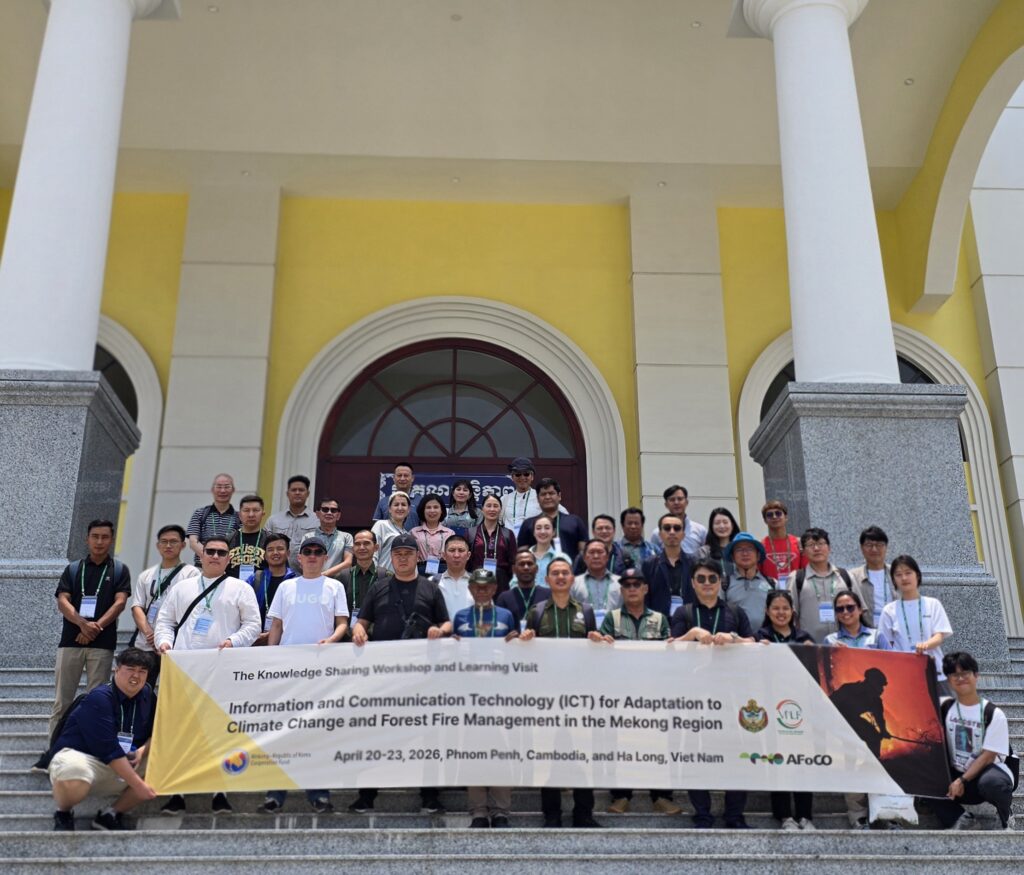
The workshop was held at the Tribe Phnom Penh Post Office Square and attended by approximately 60 representatives from 13 AFoCO member countries. The opening session featured a pre-recorded video address by AFoCO Executive Director Dr. Park Chongho, who underscored the growing urgency of forest fire threats and climate change and commended the project’s contributions to capacity building, policy development, and regional cooperation.
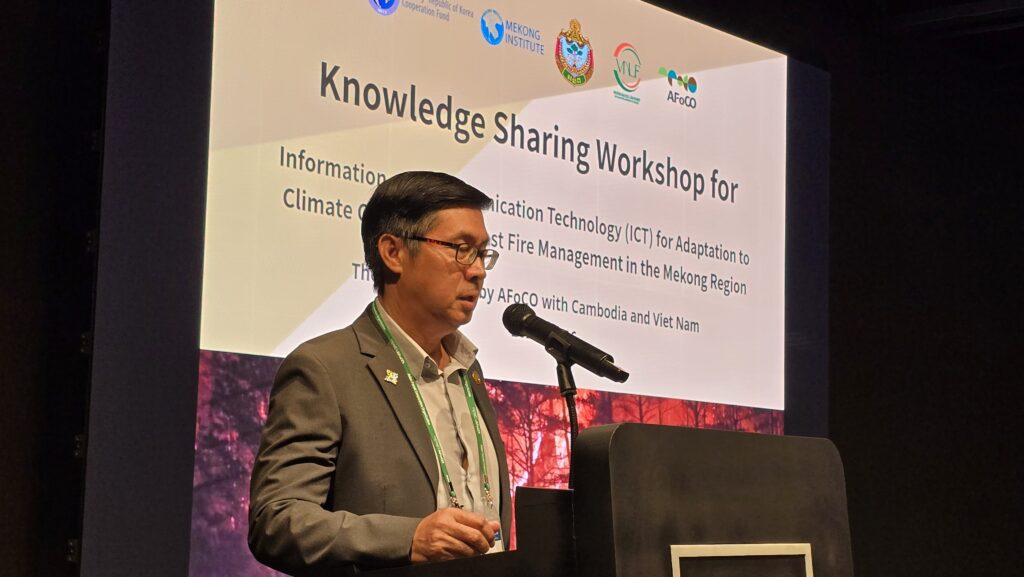
Welcome remarks were delivered by Mr. Chan Ponika, Deputy Director General of the General Directorate of Forestry and Wildlife of Cambodia, who expressed Cambodia’s aspiration that the ICT-based FFM System would strengthen forest fire management not only in Cambodia but also across AFoCO member countries.
System Architecture, Lessons Learned, and National Policy Frameworks
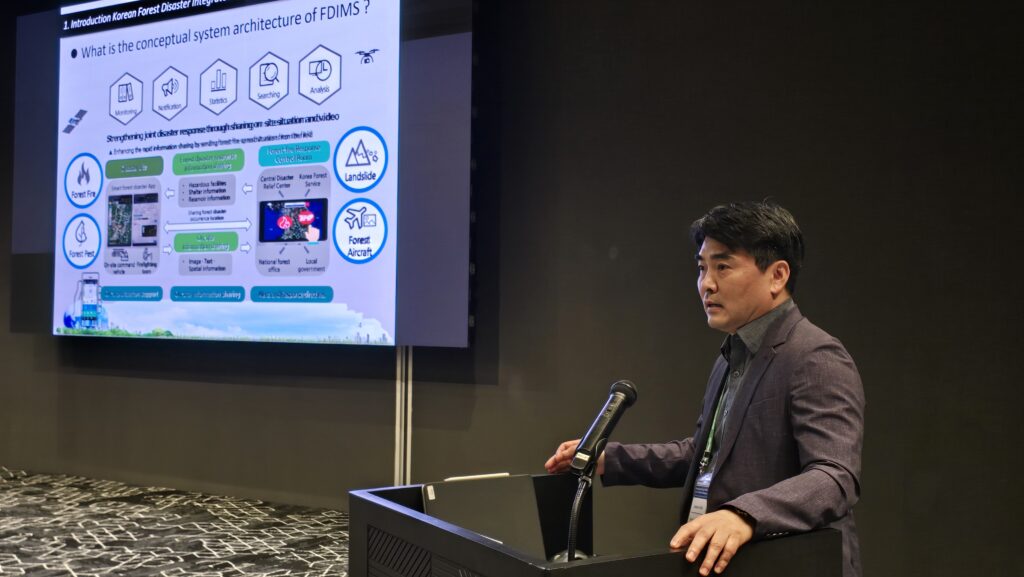
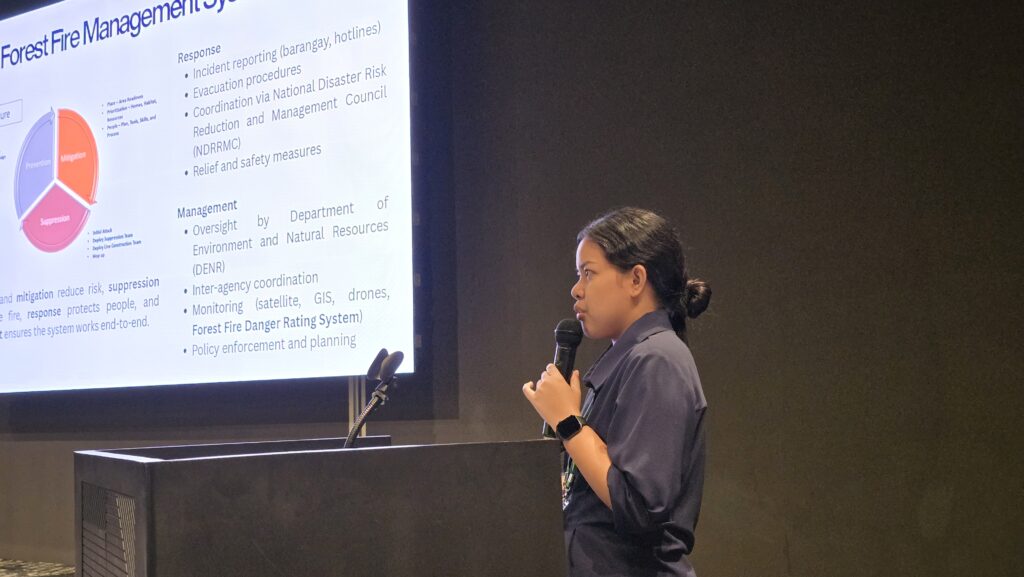
Professor Park Joowon of Kyungpook National University presented the architecture of the ICT-based FFM System, drawing on Korea’s Forest Disaster Integrated Management System (FDIMS) as the foundational model. He detailed the system’s layered structure, spanning government services, public platforms, core algorithms, and supporting infrastructure, as well as the three-stage management cycle of prevention, emergency response, and recovery. Mr. Jung Geonhwi elaborated on the technical implementation, explaining the Forest Fire Danger Rating (FFDR) algorithm, which produces a 10-level risk index by integrating weather, terrain, and forest-type data, and the Forest Fire Behavior Prediction (FFBP) algorithm, which models fire spread, direction, and intensity to support both immediate response and strategic planning. Mr. Jung Geonhwi elaborated on the technical implementation, explaining the Forest Fire Danger Rating (FFDR) algorithm, which produces a 10-level risk index by integrating weather, terrain, and forest-type data, and the Forest Fire Behavior Prediction (FFBP) algorithm, which models fire spread, direction, and intensity to support both immediate response and strategic planning.
Cambodia’s lessons, presented by Project Coordinator Mr. Chhorn Vireak, highlighted the successful development of a GIS-based forest fire danger index, the strengthening of institutional capacity through targeted training, and meaningful community engagement in awareness campaigns. Viet Nam’s lessons, shared by Project Coordinator Dr. Bui Manh Hung, emphasized the successful adaptation of the system to local ecological conditions, enhanced inter-agency coordination, and the system’s operational deployment at the Ha Long City pilot site, where it monitors approximately 2,000 hectares.
Both coordinators acknowledged shared challenges: limited telecommunications infrastructure in remote areas, administrative procedural delays, and the need for sustained financial and institutional support to scale the system beyond pilot sites.
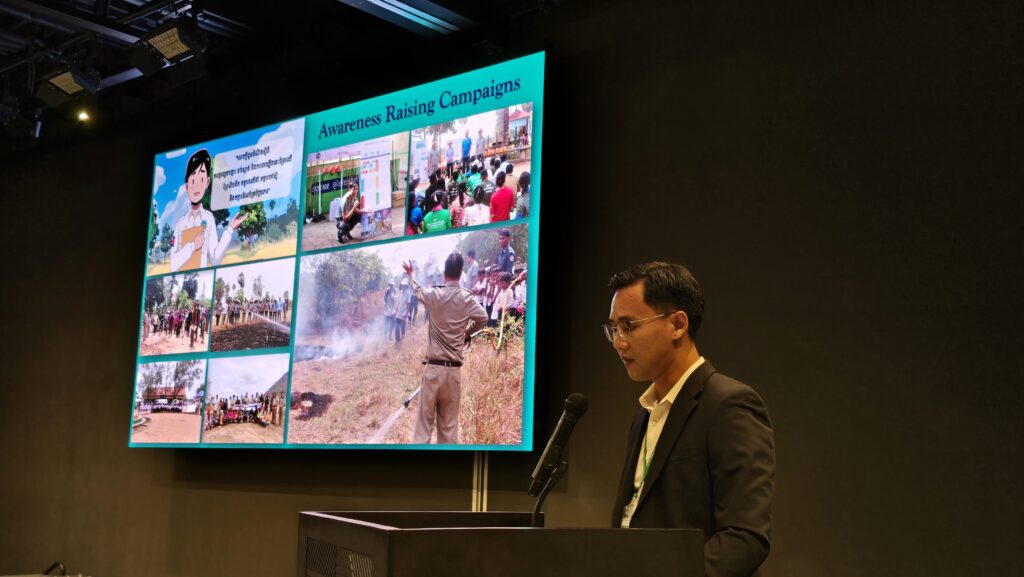
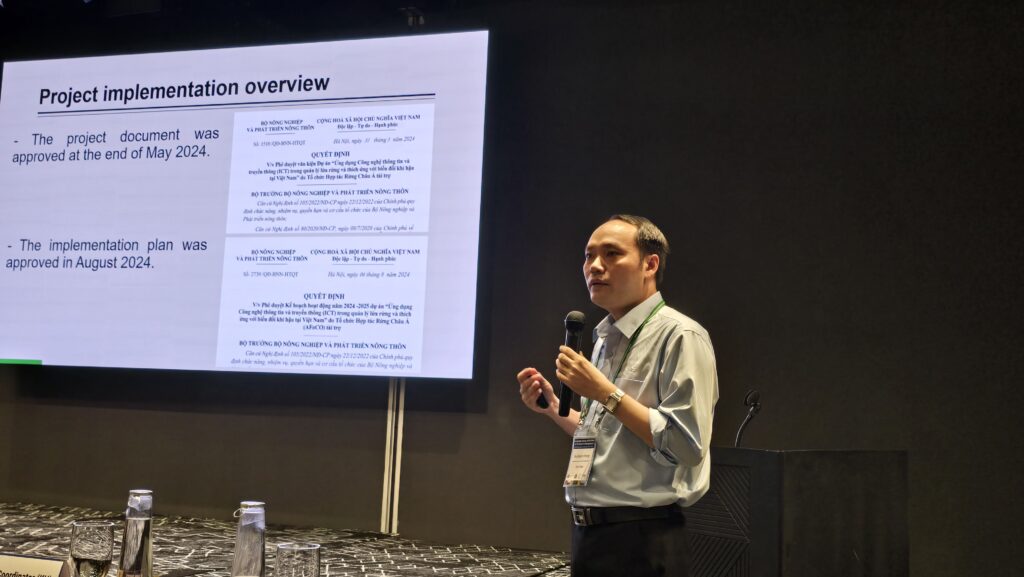
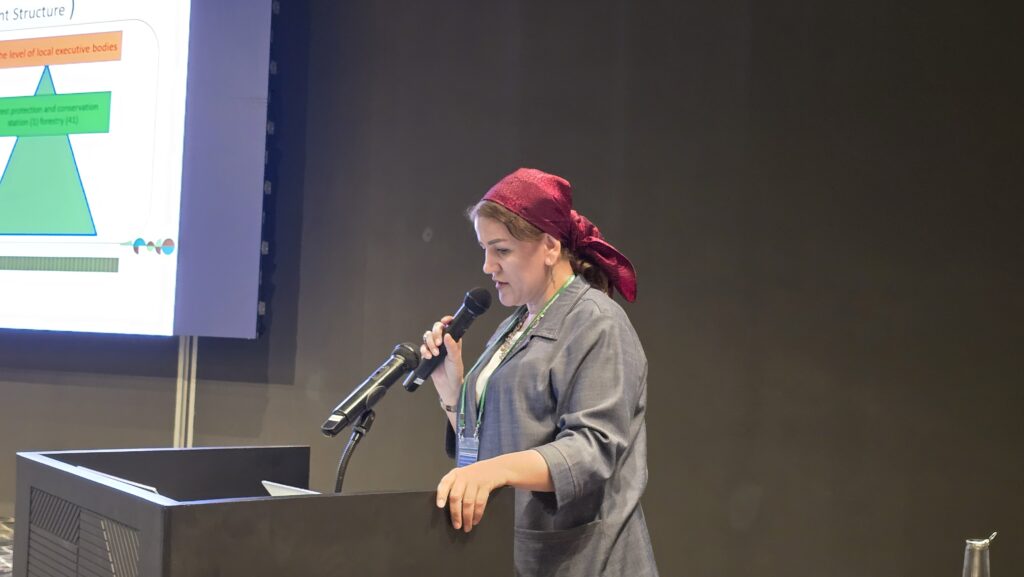
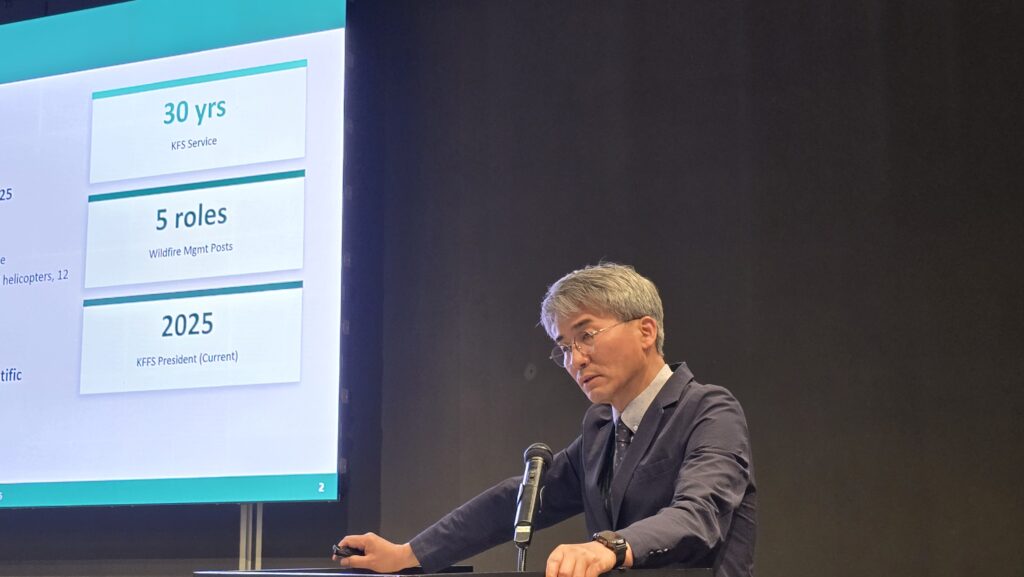
A dedicated session on national policy frameworks featured presentations by all 13 participating countries, facilitated by Dr. Pham Duc Chien and Dr. Lee Yeongjoo. Representatives from Bhutan, Cambodia, Indonesia, Kazakhstan, Kyrgyzstan, Lao PDR, Mongolia, Myanmar, Philippines, Tajikistan, Timor-Leste, Viet Nam, and the Republic of Korea shared their respective legal frameworks, institutional arrangements, prevention and detection systems, and priority areas for future development. Korea’s integrated FFM model, featuring a four-level alert system, 48 aerial assets, and AI-supported early detection, was highlighted as a benchmark for regional adaptation.
The session revealed a common pattern across member countries: while foundational policy structures are broadly in place, significant gaps remain in the adoption of advanced technologies, infrastructure coverage in remote areas, inter-agency coordination, and sustained financing for preventive approaches.
Field Demonstrations in Cambodia and Viet Nam
- 21 April 2026
- Central Control Room, GDFo — Phnom Penh, Cambodia
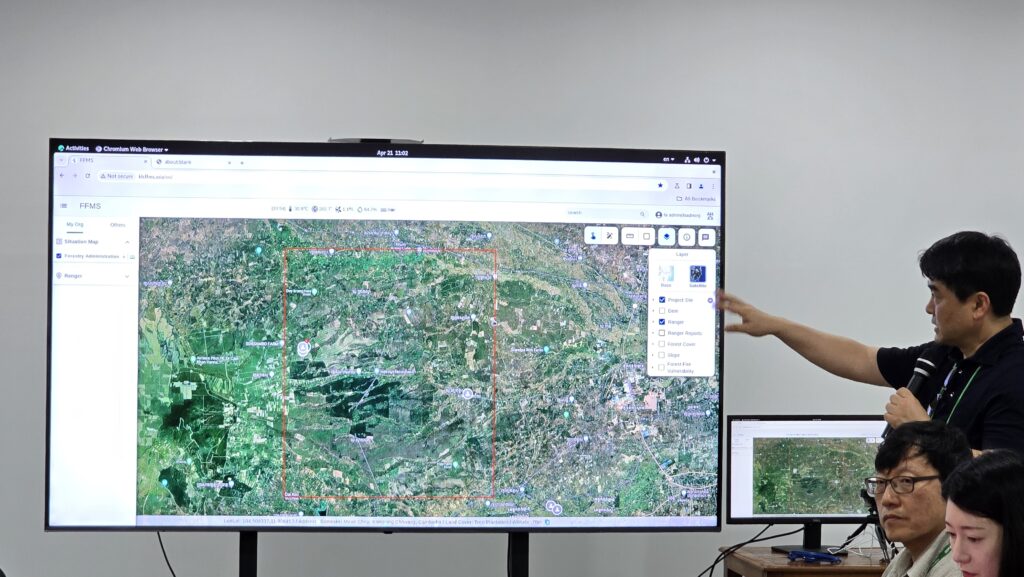
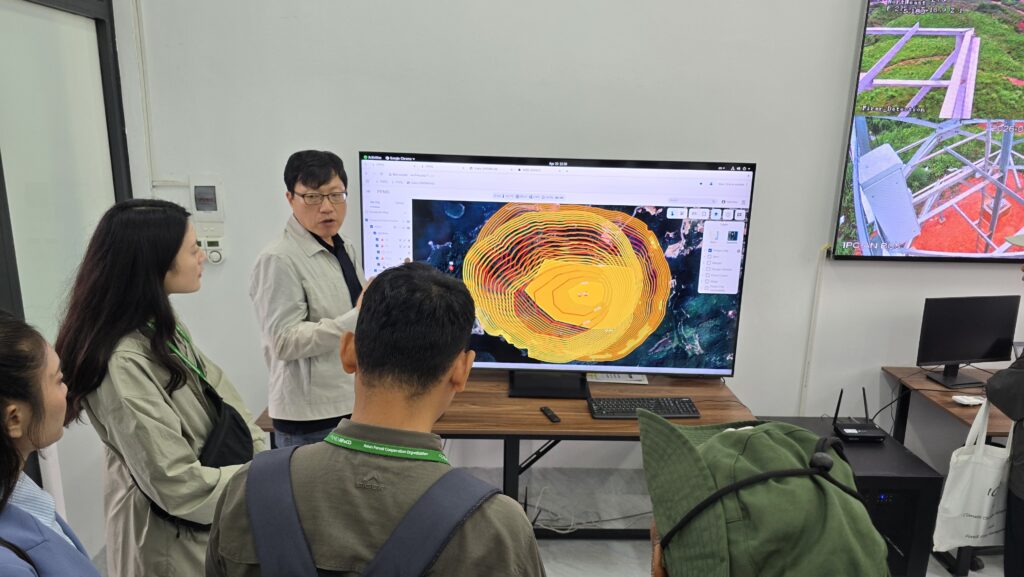
- Participants visited the FFM System Central Control Room at the General Directorate of Forestry and Wildlife (GDFo). Professor Park Joowon and MVSoftech CEO Mr. Lee Seungki provided detailed explanations of the system’s real-time fire danger visualization on Google Maps, integration of terrain and weather data, and the smartphone-based reporting platform. Participants expressed strong interest in the fire-spread prediction function and raised technical questions about spatial resolution (3×3 meters), real-time ground-data accuracy, and micro-level weather data acquisition. The complementarity with the AKCF project, particularly the mobile reporting infrastructure, was highlighted as a significant force multiplier.
- 23 April 2026
- Forest Protection Department Region 1 — Ha Long City, Quang Ninh Province, Viet Nam
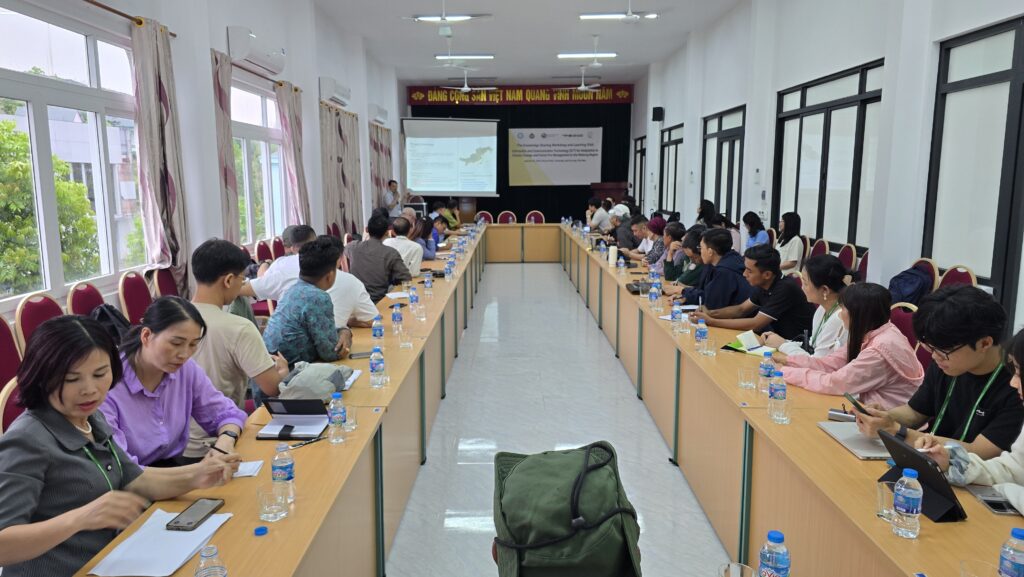
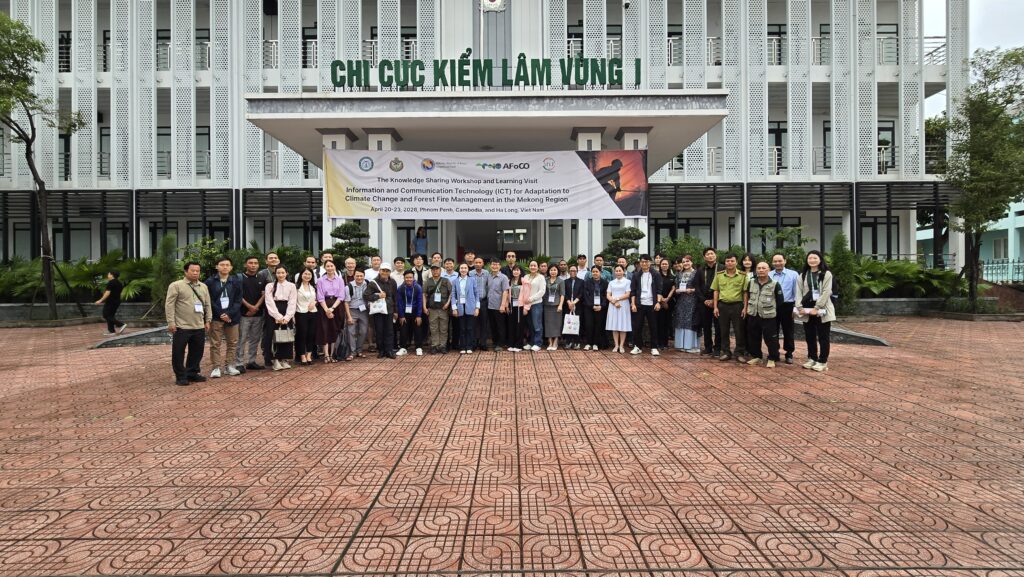
- On 23 April, participants traveled from Hanoi to the Forest Protection Department Region 1 in Ha Long City, where the MKCF system is actively monitoring approximately 2,000 hectares. Dr. Bui Xuan Dung of VNUF presented the project’s progress and lessons, emphasizing the system’s effectiveness in mountainous terrain, where physical suppression access is difficult, and the value of early detection and decision-support tools. Participants were also introduced to the AKCF-supported lookout towers and CCTV detection systems. The integration of CCTV video data into the FFM System was identified as a future development priority requiring a dedicated program.
Submitted by Haewon Son, Assistant Program Officer, Project Team 3