
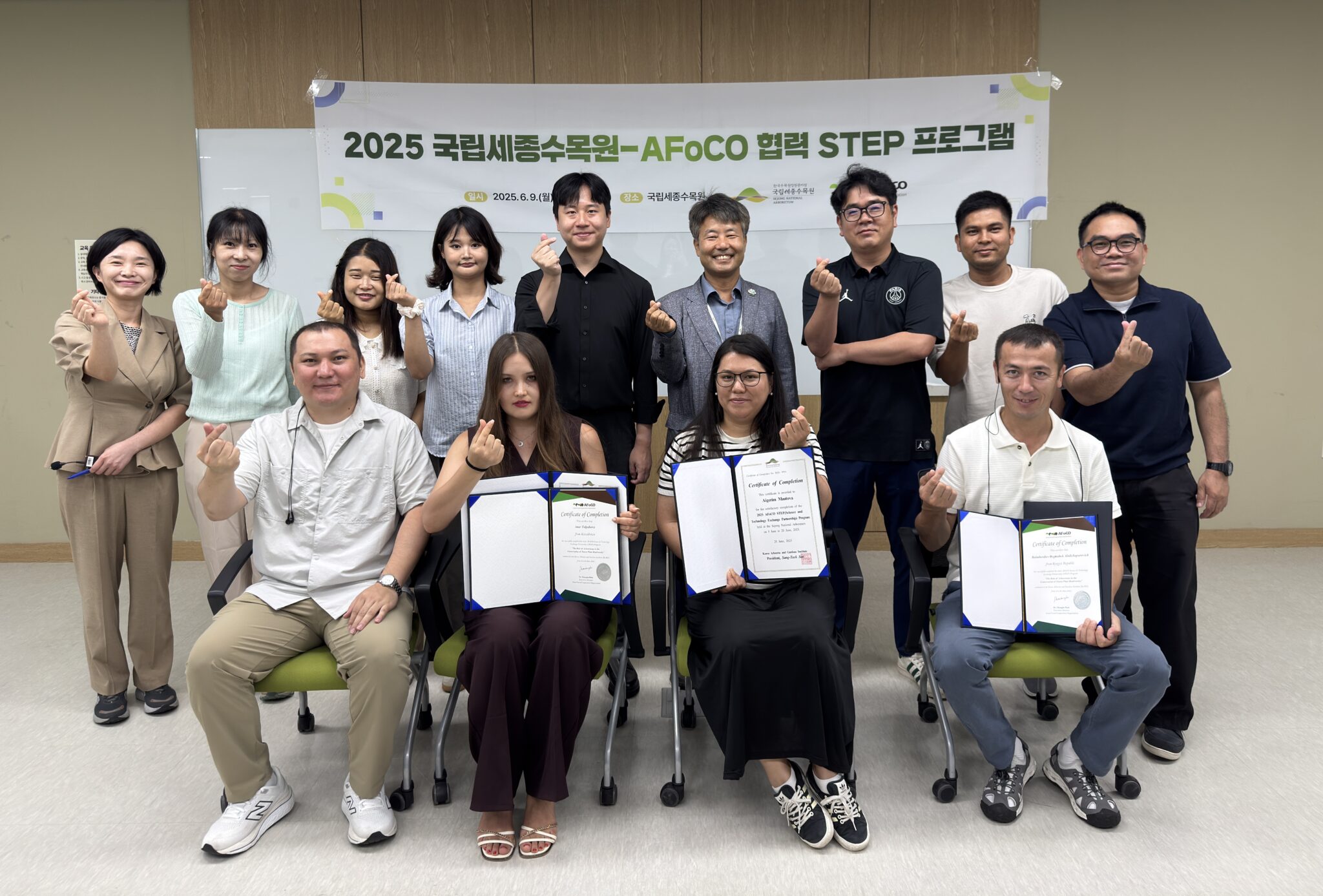
In a context where the conservation of forest biodiversity and the achievement of sustainable development have become strategic priorities for the countries of the region, international cooperation programs are key tools in finding practical solutions. From 9 to 20 June 2025, the Science and Technology Exchange Partnership (STEP) 2025 Program was held in the Republic of Korea, organized by the Asian Forest Cooperation Organization (AFoCO) in collaboration with the Korea Arboreta and Gardens Institute (KOAGI).
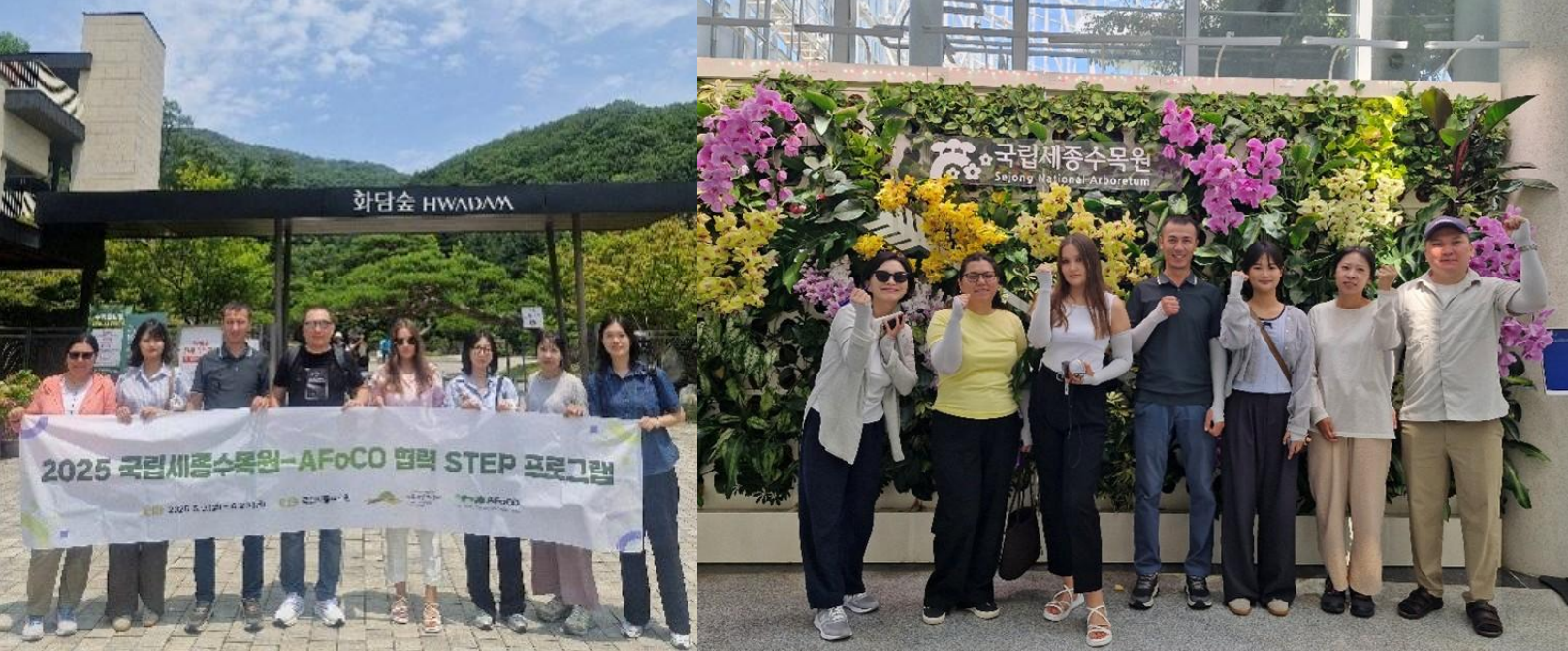
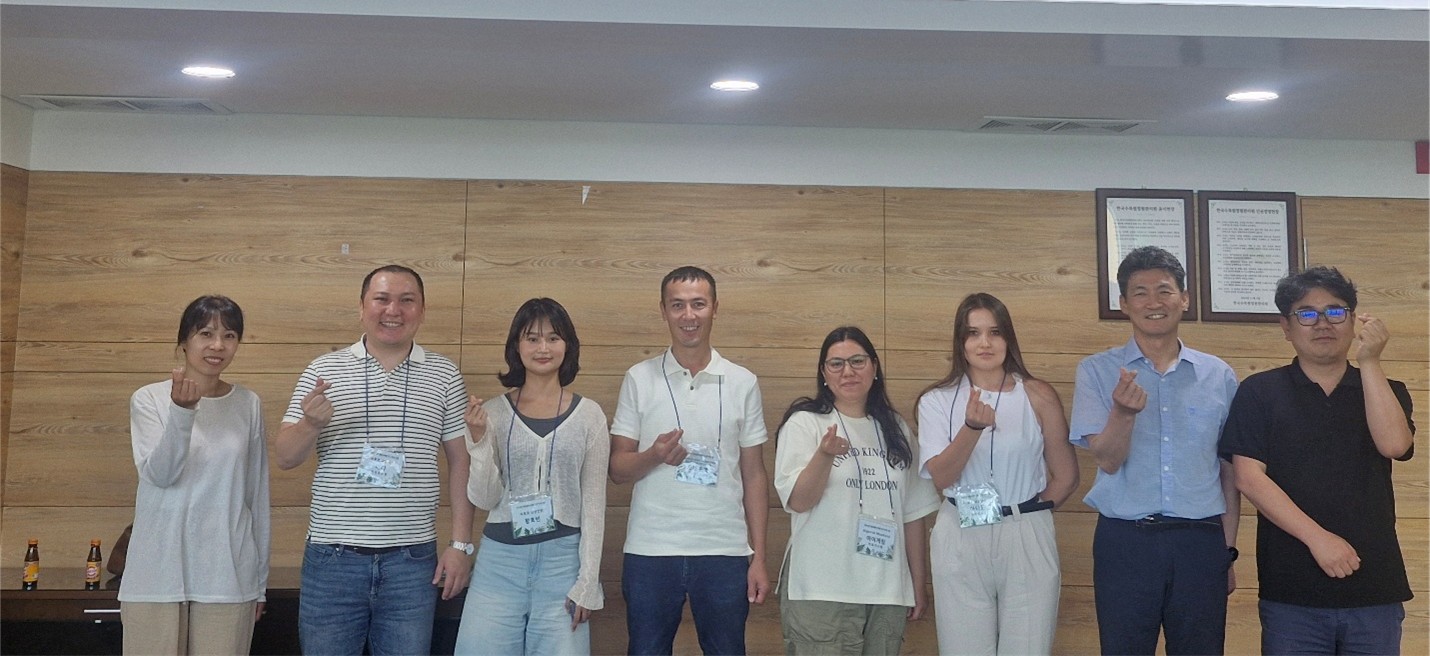
The program brought together experts from Kazakhstan and the Kyrgyz Republic, providing a platform for experience sharing, learning best practices, and discussing how modern technologies and approaches can be applied to address common environmental challenges.
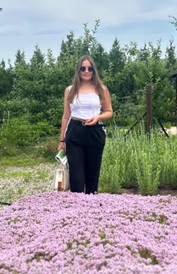
from Kazakhstan
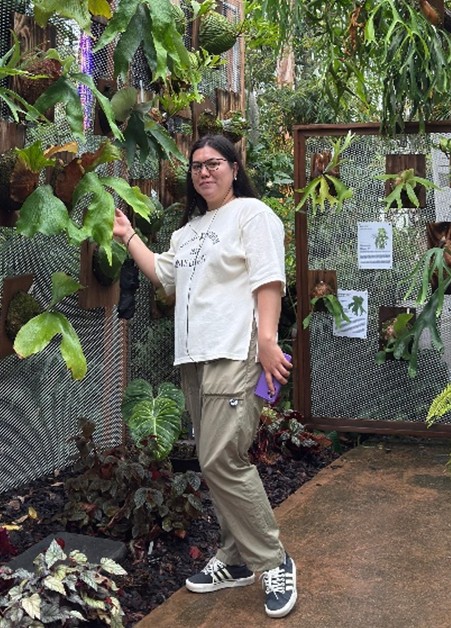
from Kyrgyzstan
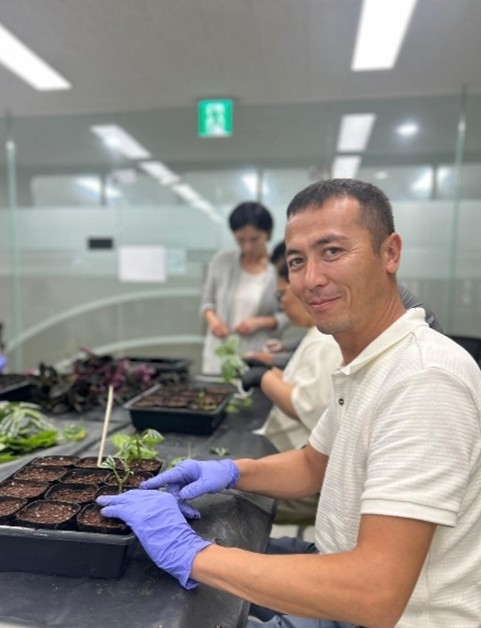
from Kyrgyzstan
A program responding to today’s challenges
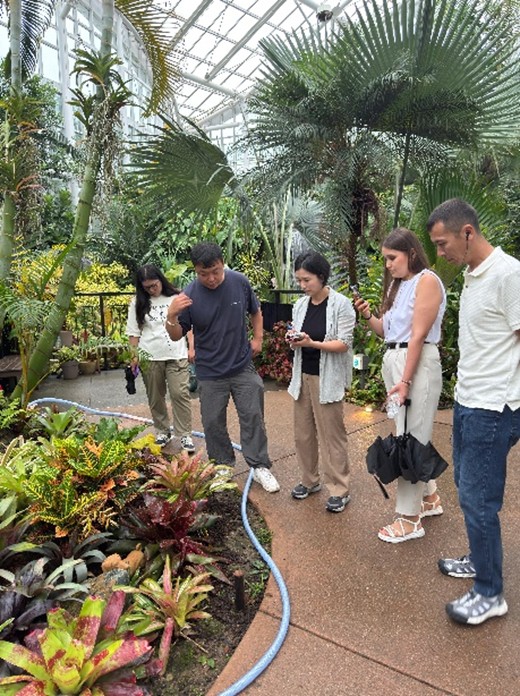
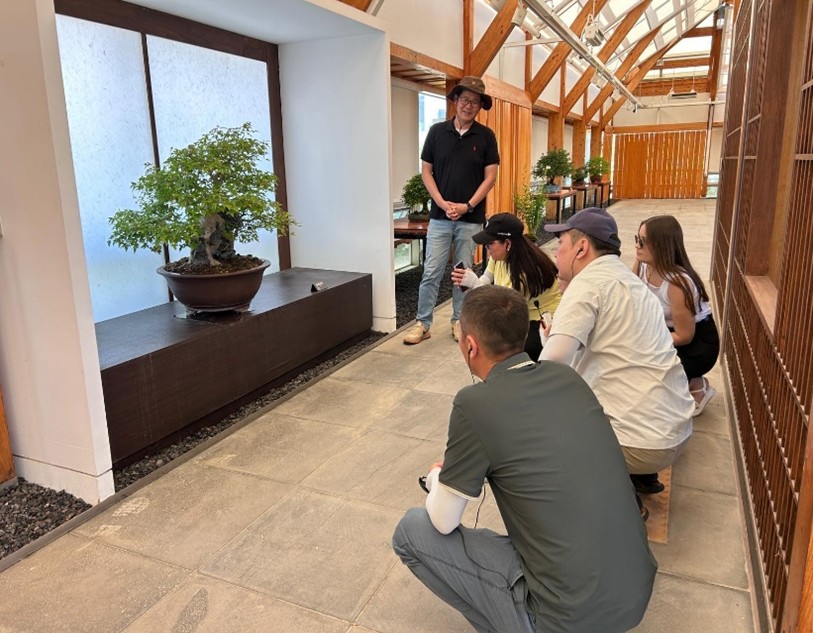
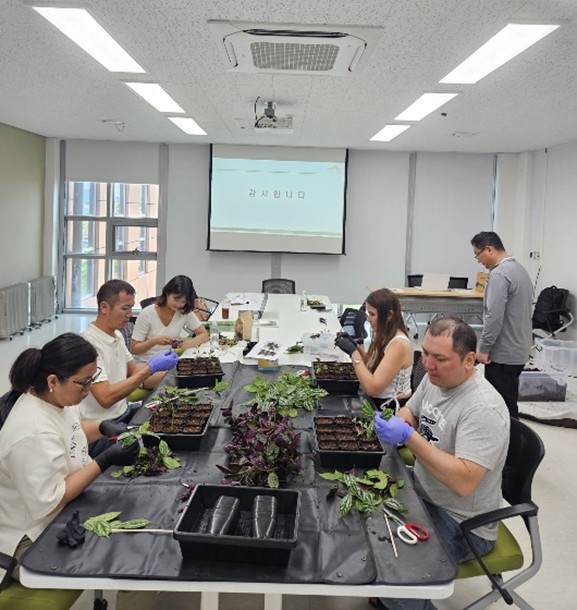
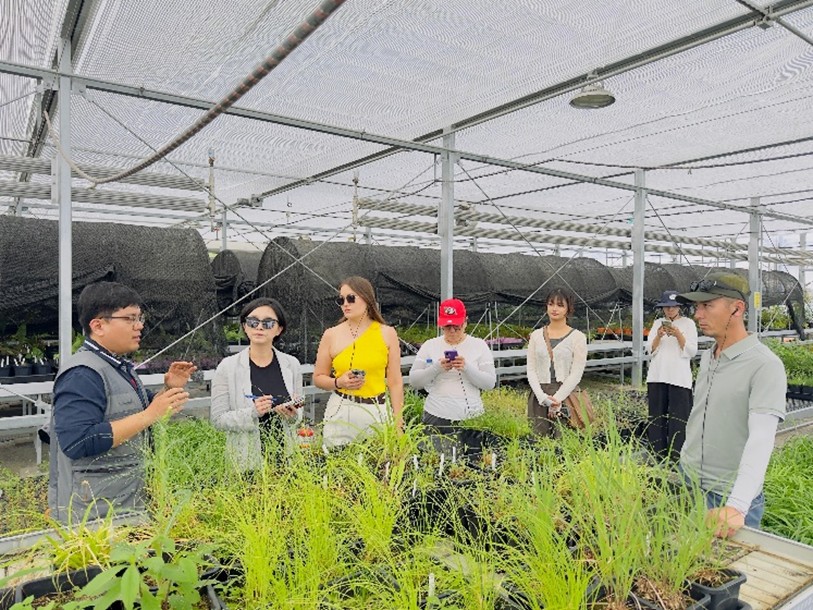
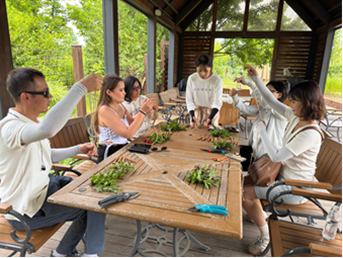
STEP 2025 was designed to provide participants with a comprehensive understanding of modern approaches to green space management and biodiversity conservation. The program included lectures, practical training sessions, and site visits to key green infrastructure facilities.
Main areas included:
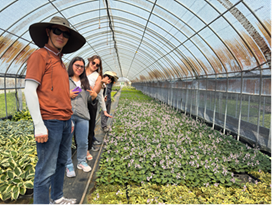
• Arboretum and Nursery Management – covering technologies for microclimate control in greenhouses, automated irrigation systems, and methods for maintaining collections of plants, including tropical and Mediterranean species.
• Landscape design using artificial intelligence – practical sessions on creating concepts for sustainable green spaces using modern digital tools.
• Integration of green infrastructure into national policy – a lecture was held on Korea’s strategy in the field of arboreta and biodiversity. The role of arboreta in sustainable development and the economy was emphasized, along with Korea’s fulfillment of global commitments such as the UN biodiversity goals and the Nagoya Protocol, and the importance of integrating private and public initiatives. The importance of regional cooperation involving AFoCO member countries in addressing biodiversity conservation challenges was highlighted.
• Environmental education – participants were introduced to multi-level programs for fostering environmental awareness implemented in both public and private arboreta and botanical gardens. Special attention was given to the concept of carbon gardens as part of integrating green infrastructure into urban environments and reducing the carbon footprint.
• Private sector experience – during the visits, participants became familiar with successful private nurseries, the scale of their operations, and development approaches, including plans for expansion and international cooperation
A forest future begins with knowledge exchange
STEP 2025 highlighted the importance of educational and scientific initiatives as a foundation for strengthening international cooperation and sharing practical solutions in biodiversity conservation. The program demonstrated that sustainable development in the forest sector is only possible through dialogue, technology exchange, and joint efforts for the benefit of future generations.
AFoCO sees the path to a sustainable future through knowledge sharing, partnerships, and a collective commitment to harmony between people and nature.
Contributed by Madi Nurpeissov, Fellowship Official, ODA Project Team