
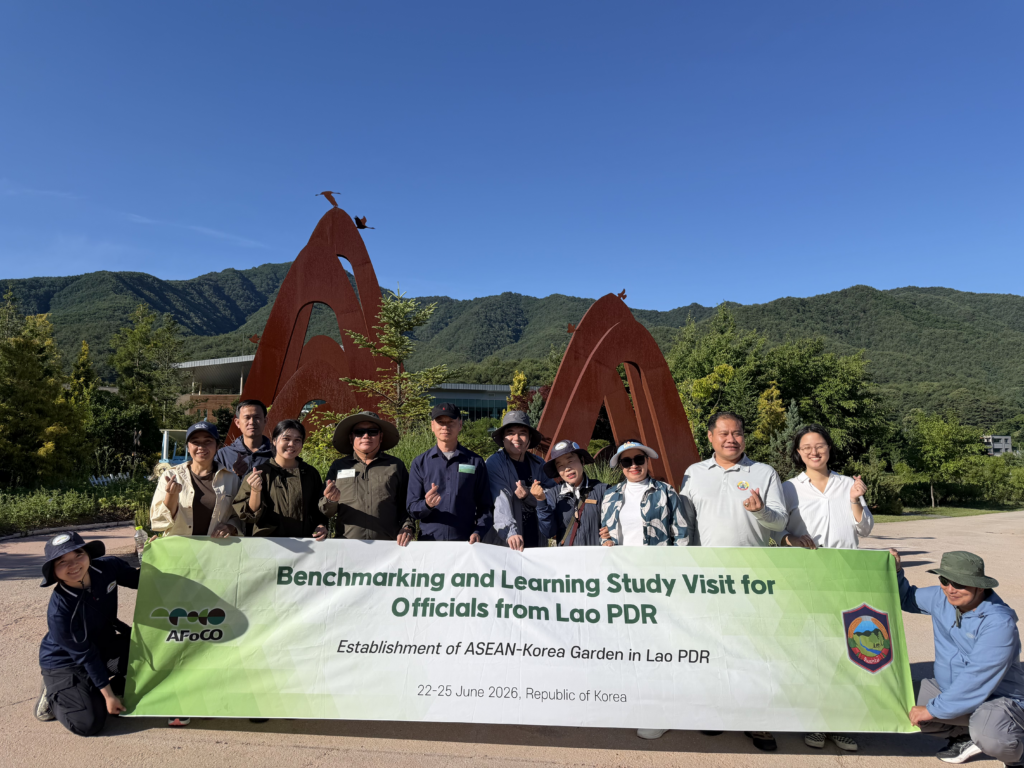
As part of the AFoCO project, “Establishment of the ASEAN-Korea Garden” (AFoCO/043/2024), a Study Visit was held in the Republic of Korea from 22 to 25 June 2026. Nine officials involved in the implementation of the project in Lao PDR participated in institutional exchanges, technical visits, and hands-on programs focused on forest welfare, public engagement, and the sustainable operation of forest-related facilities.
The Study Visit was designed to provide practical references for the future development and operation of the ASEAN-Korea Garden. Beyond physical infrastructure, the program explored how professional management, accessible facilities, engaging programs, and cultural content can help a public space remain relevant and sustainable over time.
By bringing together forest and garden culture, environmental learning, recreation, and cultural exchange, the ASEAN-Korea Garden has the potential to become more than a landscaped site. The visit gave participants an opportunity to consider how these functions could be adapted to the local context of Lao PDR.
Experiencing Korea’s Integrated Forest Welfare System
The National Center for Forest Therapy served as the main venue and accommodation site for the Study Visit. Operated by the Korea Forest Welfare Institute, the 142-hectare Center provides forest-based healing, education, accommodation, and wellness services through forest trails, accommodation facilities, meditation spaces, an aquatic therapy center, and dedicated venues for educational and cultural programs.
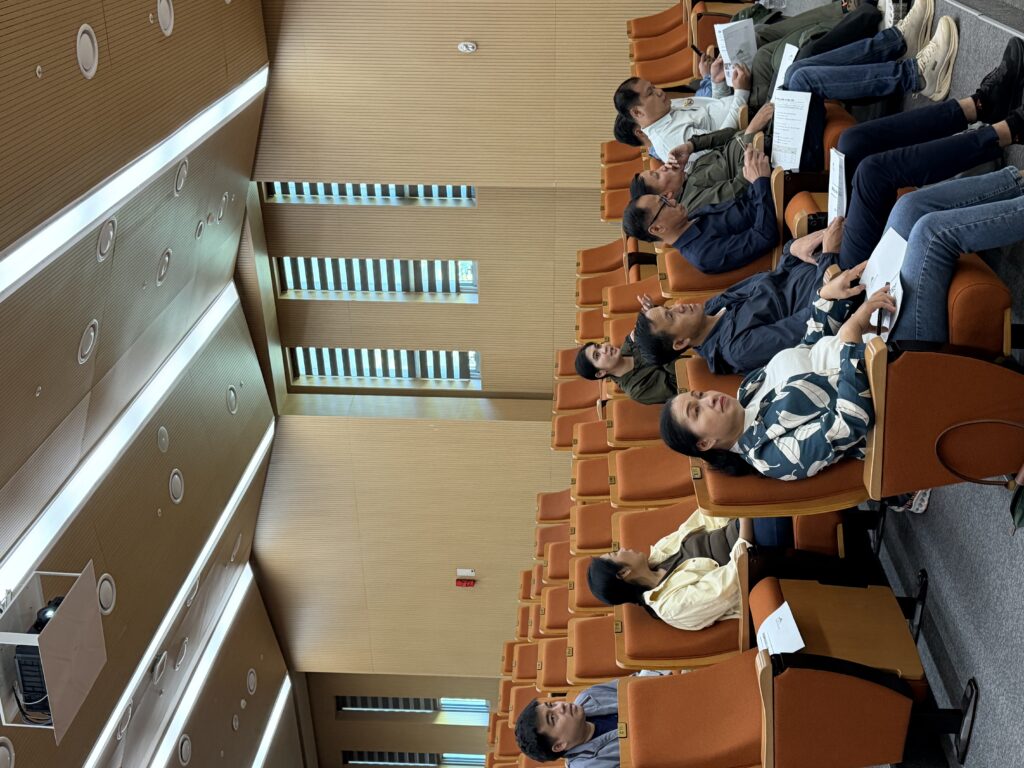
During an institutional briefing, participants were introduced to Korea’s forest welfare system and its tailored services for children, young people, adults, older persons, and people with disabilities. Particular attention was given to the national certification system for forest therapy guides, highlighting the importance of trained professionals and field experience in maintaining service quality.
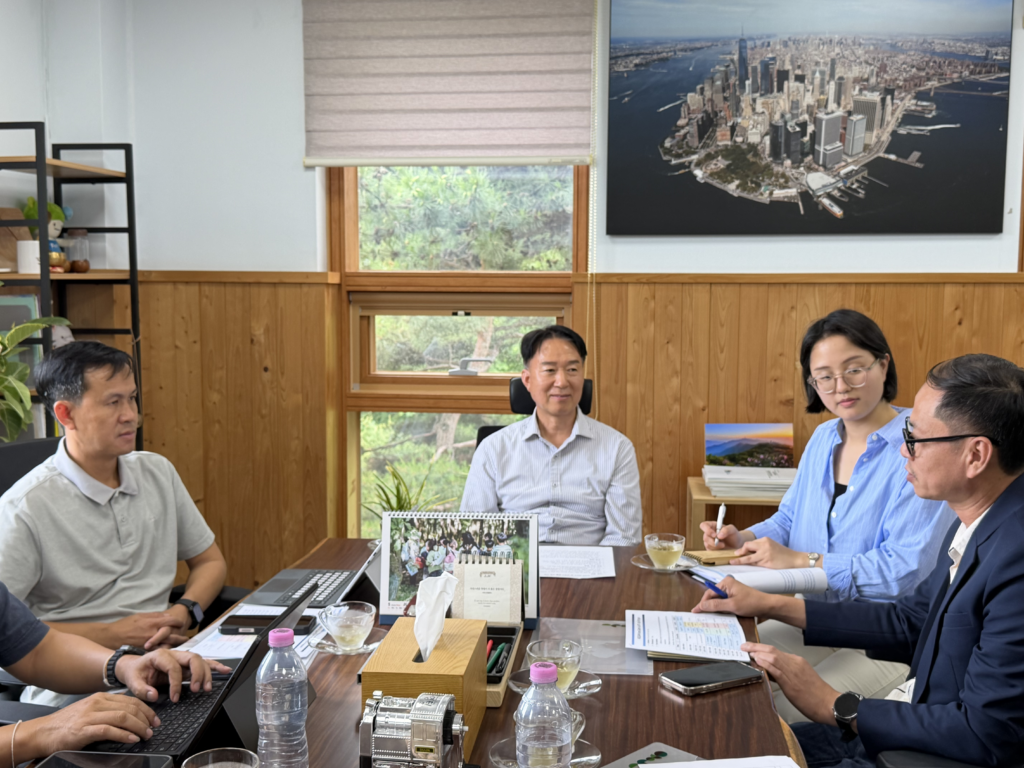
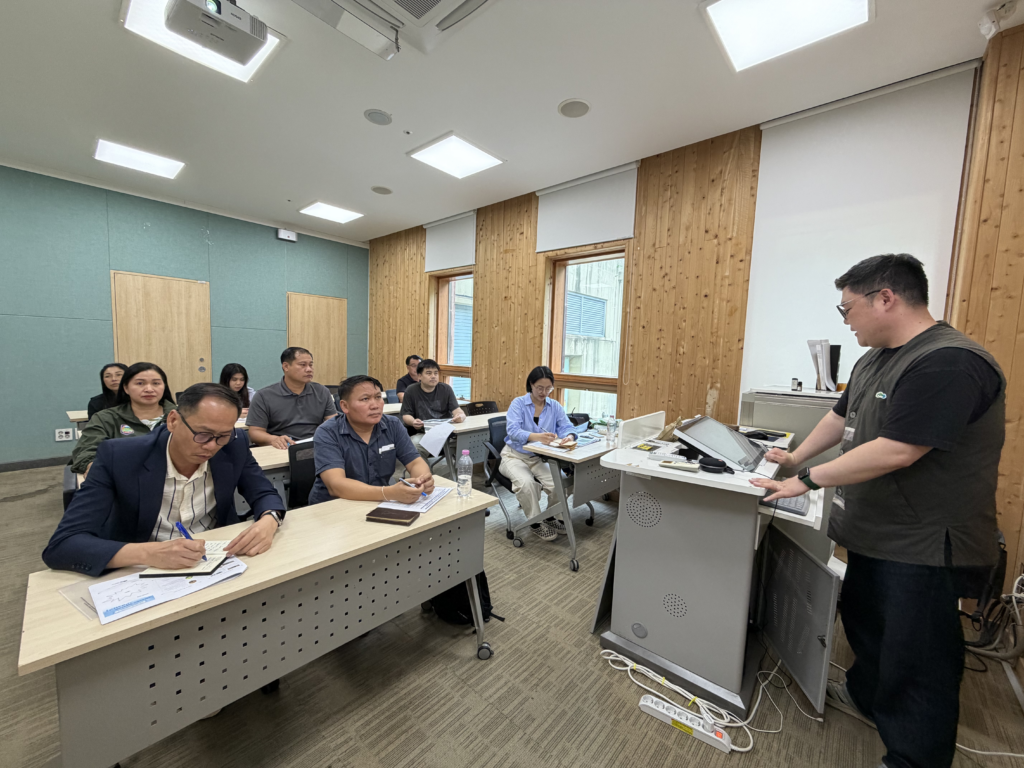
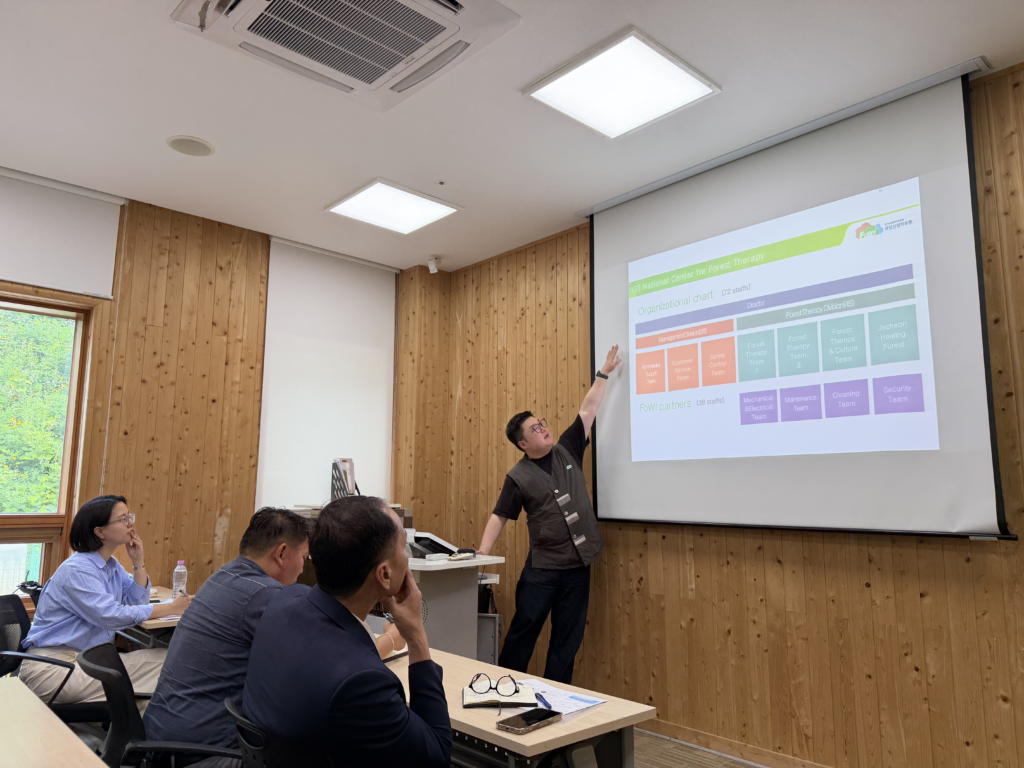
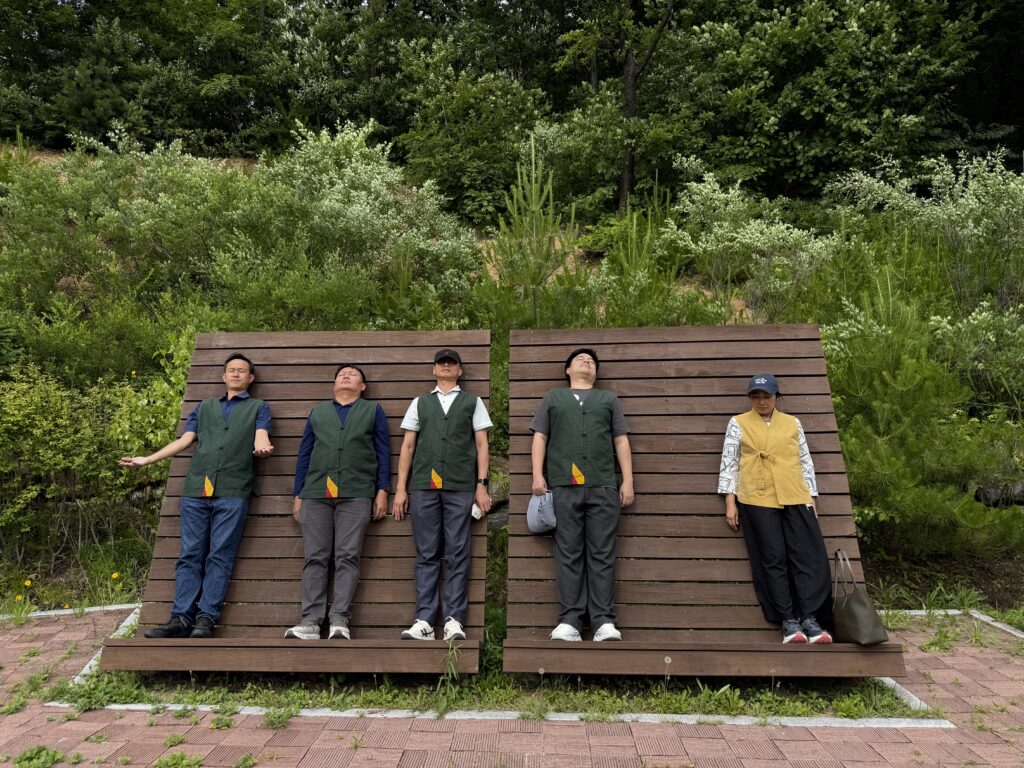
Participants also joined five forest healing activities: healing-device therapy, water therapy, forest walking, a traditional tea ceremony, and singing bowl meditation. Together, these programs illustrated how forest welfare services can integrate physical activity, sensory engagement, cultural experiences, and relaxation to support visitors’ well-being.
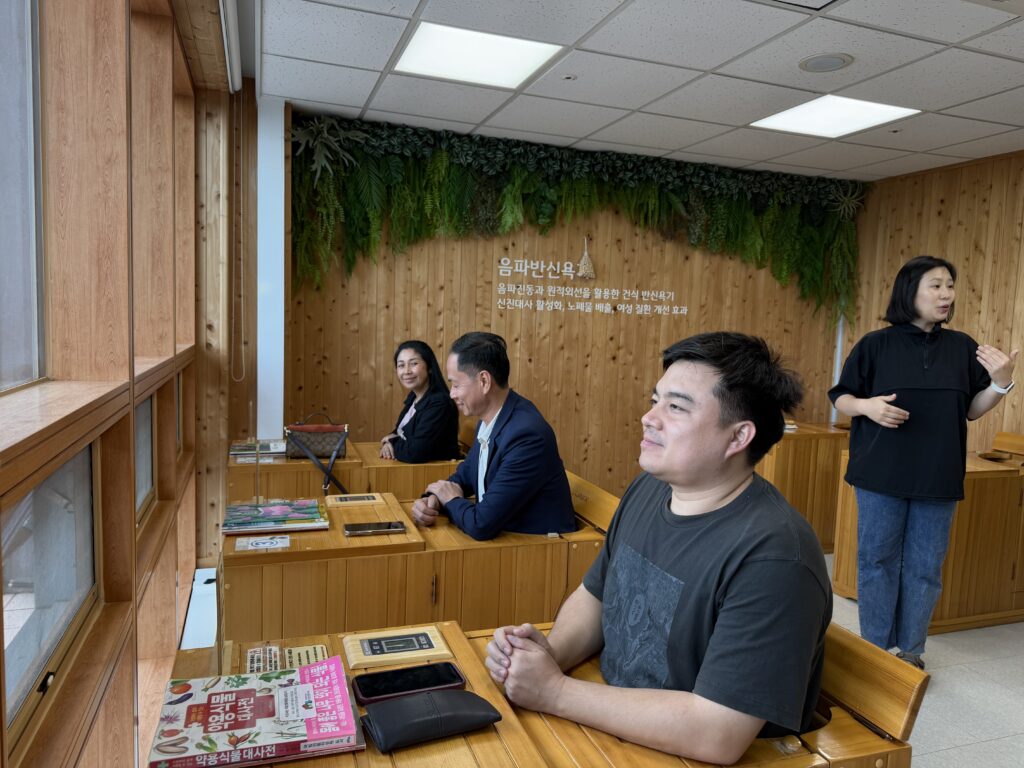
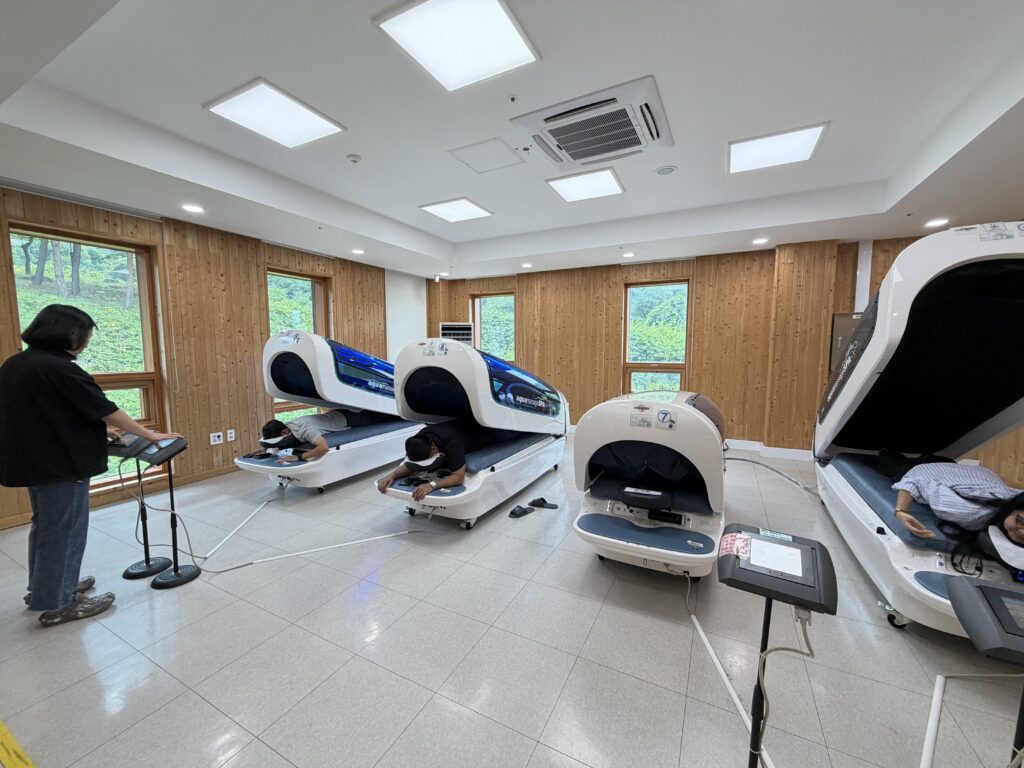
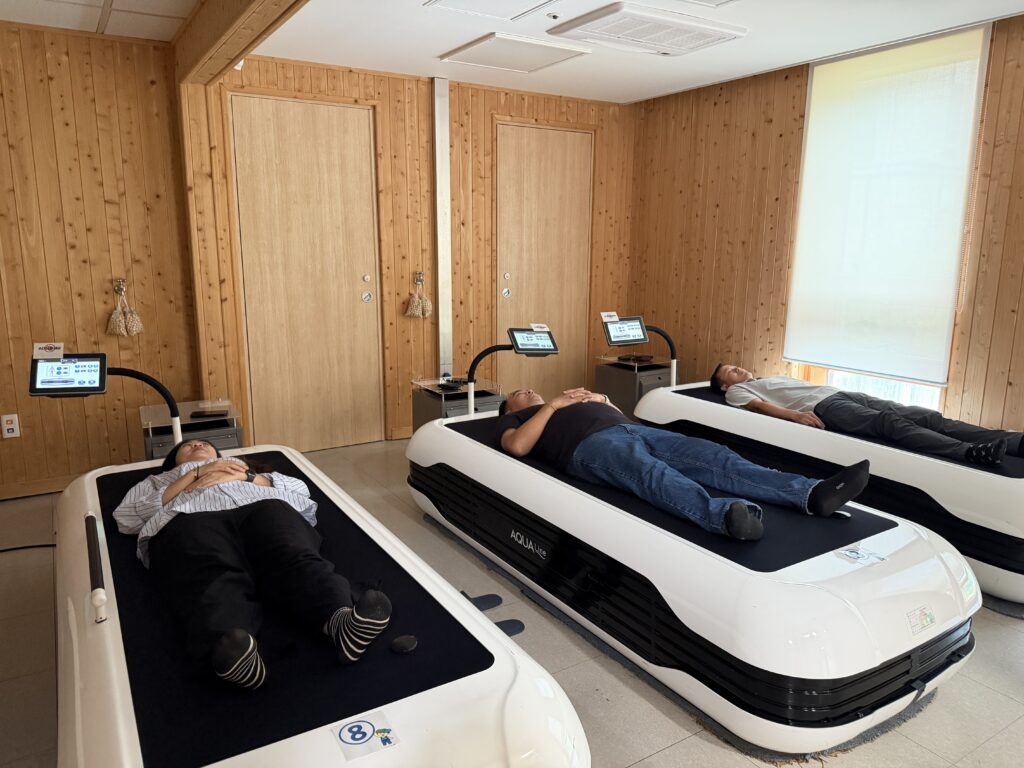
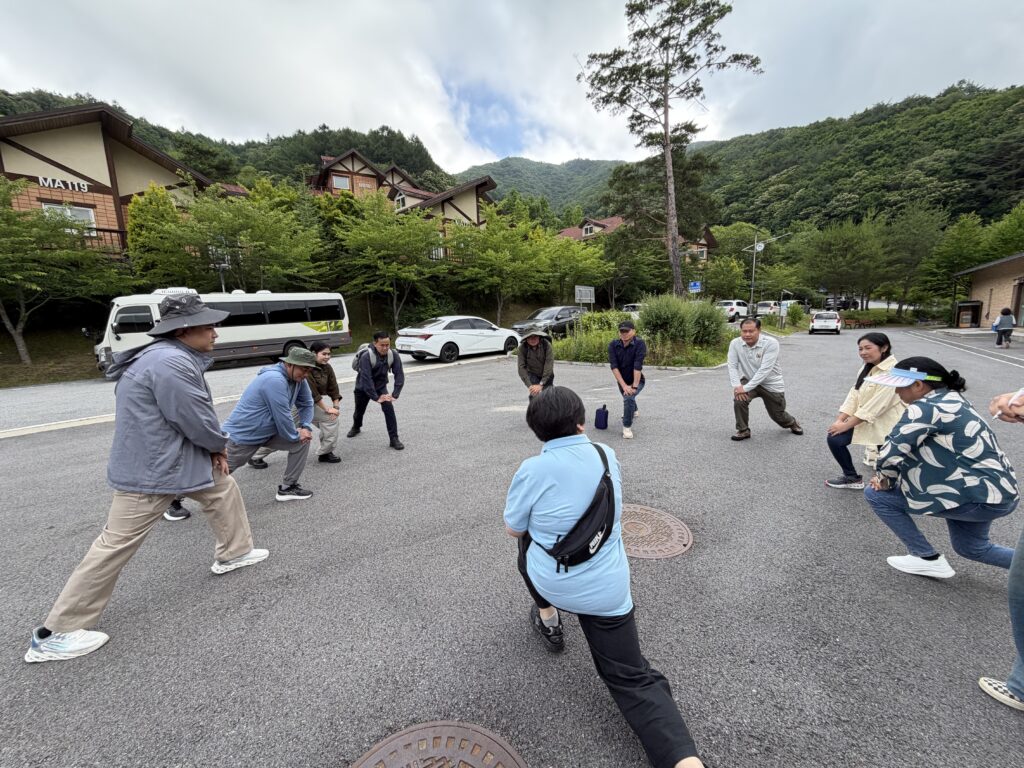
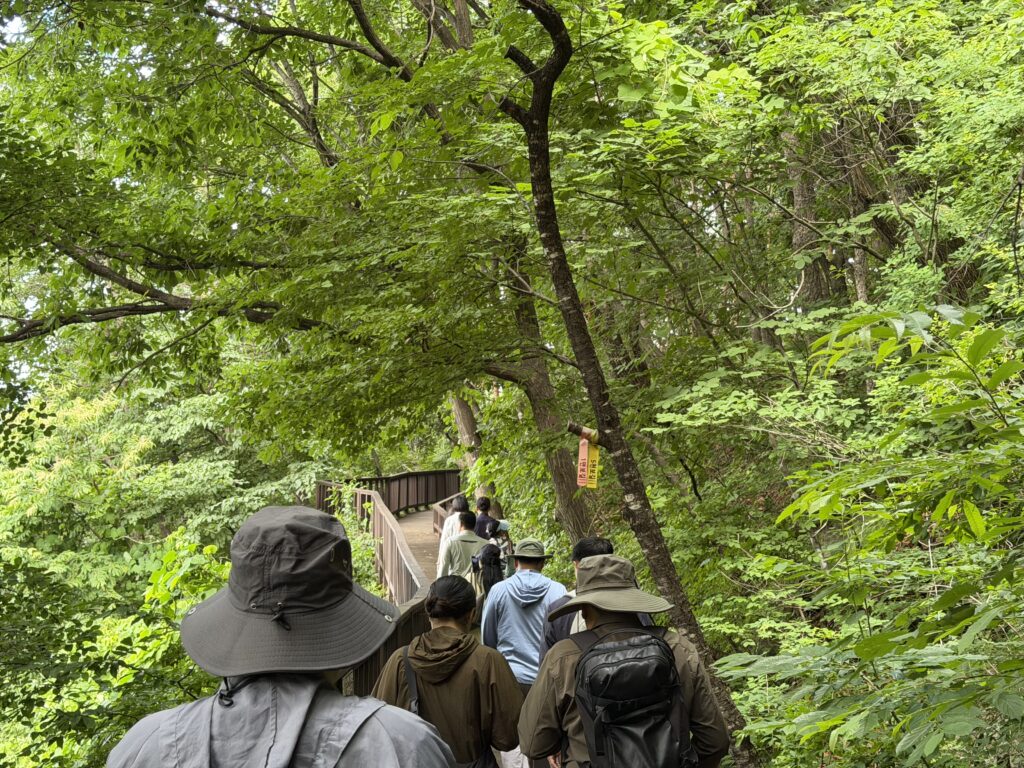
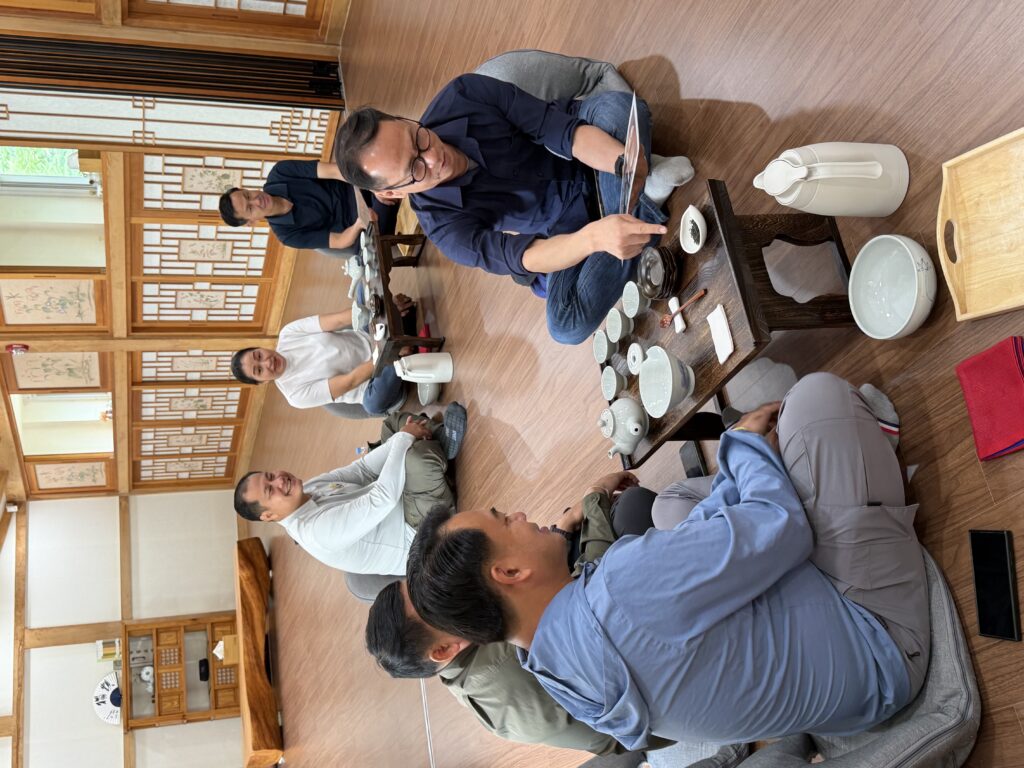
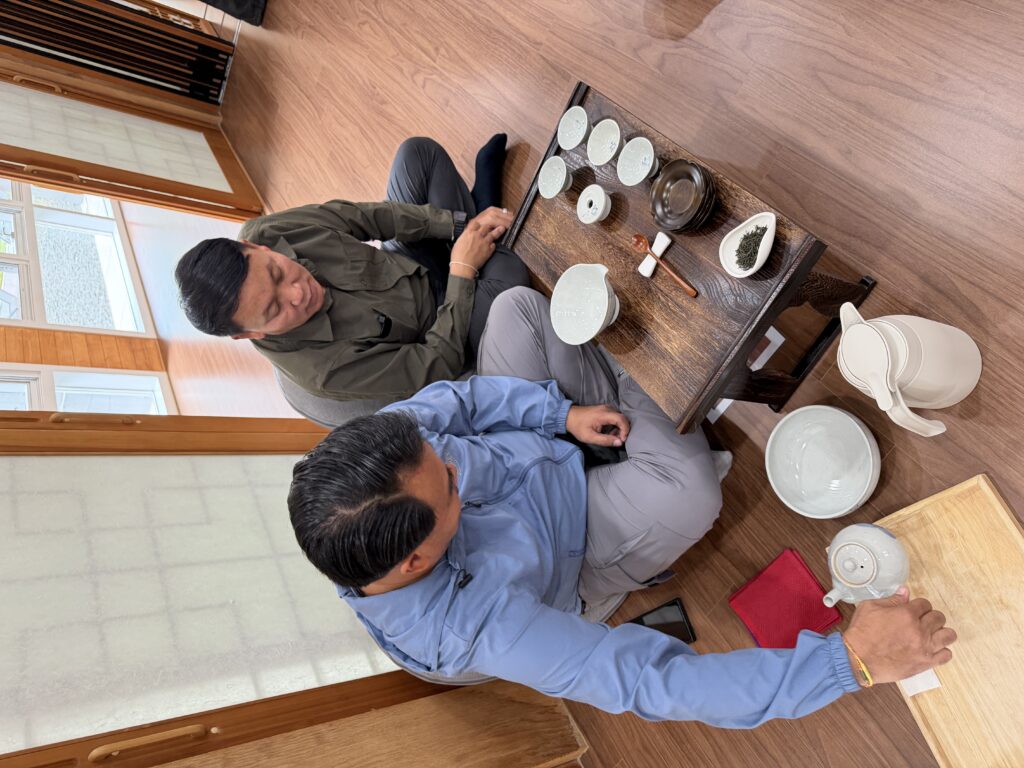
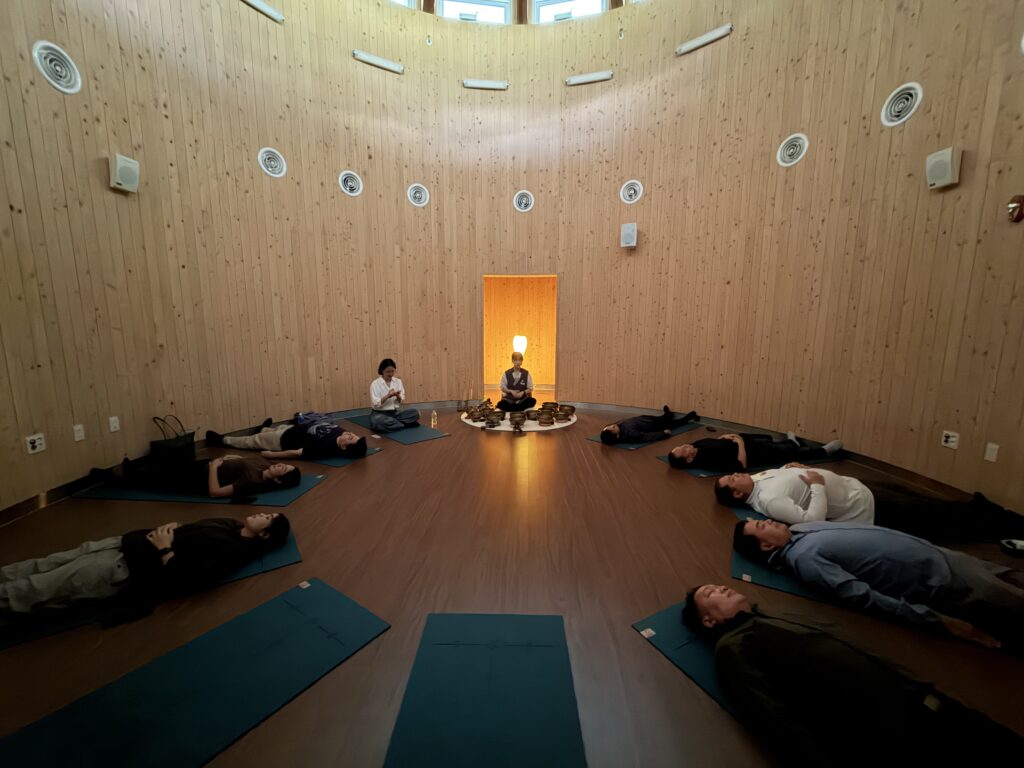
The Center also demonstrated how accessibility can be incorporated into service delivery. Barrier-free accommodation and publicly supported programs help broaden access for older persons, people with disabilities, and other vulnerable groups.
Overall, the visit demonstrated that effective forest welfare services depend not only on an attractive natural setting, but also on qualified personnel, visitor-centered programs, safety management, appropriate facilities, and a coordinated operational system.
Balancing Biodiversity Conservation and Public Access
At the Baekdudaegan National Arboretum in Bonghwa, participants explored how plant conservation, research, environmental education, and visitor services can be brought together within a national institution.
Covering 5,179 hectares, the Arboretum was established to conserve forest biological resources, particularly alpine plants vulnerable to climate change, and to support the protection of the Baekdudaegan mountain range, a key ecological corridor on the Korean Peninsula.
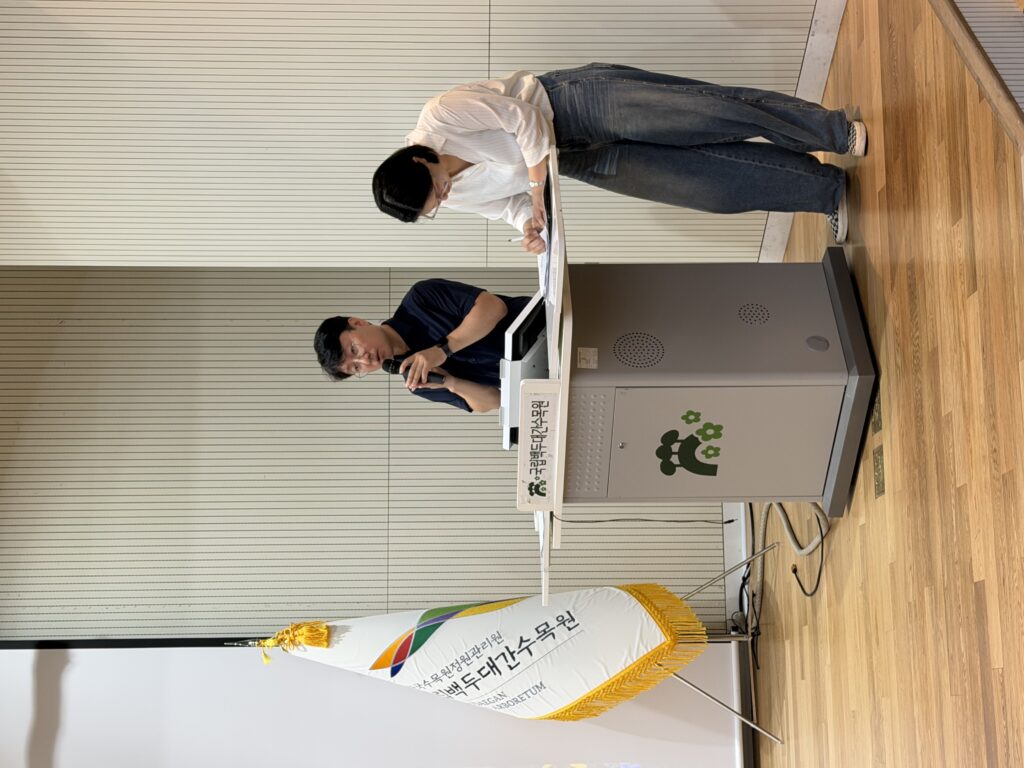
During the institutional briefing, participants learned about the Arboretum’s organizational structure, conservation functions, visitor services, its 39 exhibition gardens, and its collections of native, cultivated, rare, and endemic plants.
Participants then joined a professionally guided cart tour of major exhibition and conservation areas, including themed gardens, the Alpine House, the Tiger Forest, and wetland landscapes. At the Alpine House, they learned about the ex situ conservation of alpine plants and their adaptations to harsh environments. The Tiger Forest and wetland areas demonstrated how wildlife, plants, and habitats can be incorporated into ecological interpretation and education.
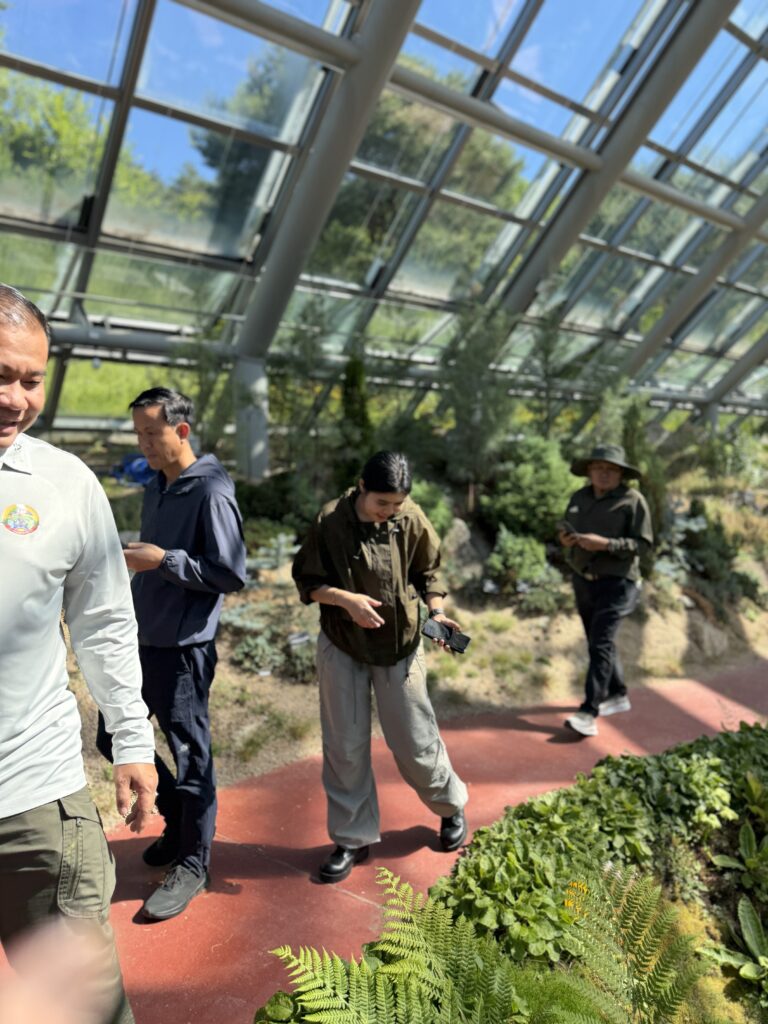
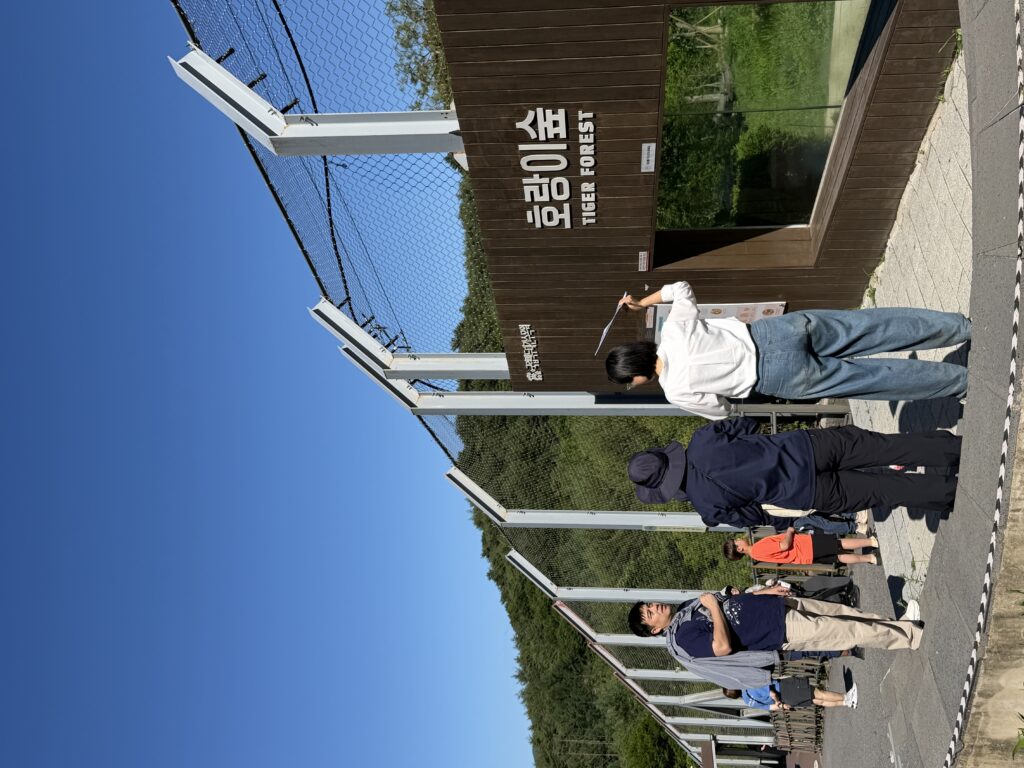
The use of guided carts, clearly planned routes, rest facilities, and professional interpretation also illustrated how a large outdoor site can remain accessible and informative for children, older persons, and visitors who may find long-distance walking difficult.
Together, these features showed how biodiversity conservation and public access can be supported within the same landscape. They also provided useful references for considering visitor circulation, interpretation, accessibility, and long-term maintenance alongside the planting and landscape design of the ASEAN-Korea Garden.
Connecting Forests with Everyday Life through Wood Culture
The Study Visit also included a visit to the Yecheon Wood Culture Center, operated by Yecheon County. Unlike the larger national institutions visited during the program, the Center demonstrated how a local government can promote forest culture through exhibitions, family-oriented education, and hands-on activities.
The facility includes a wood culture exhibition hall, wood-themed play and activity spaces, woodworking studios, and training rooms, together with outdoor themed gardens, picnic areas, and forest rest spaces. Its programs range from family woodworking classes and recreational craft courses to vocational training for woodworking specialists.
Participants explored exhibitions on Korea’s wood culture, the characteristics of different types of wood, and the everyday uses of wood. They then made wooden cutting boards, shaping and finishing the material themselves.
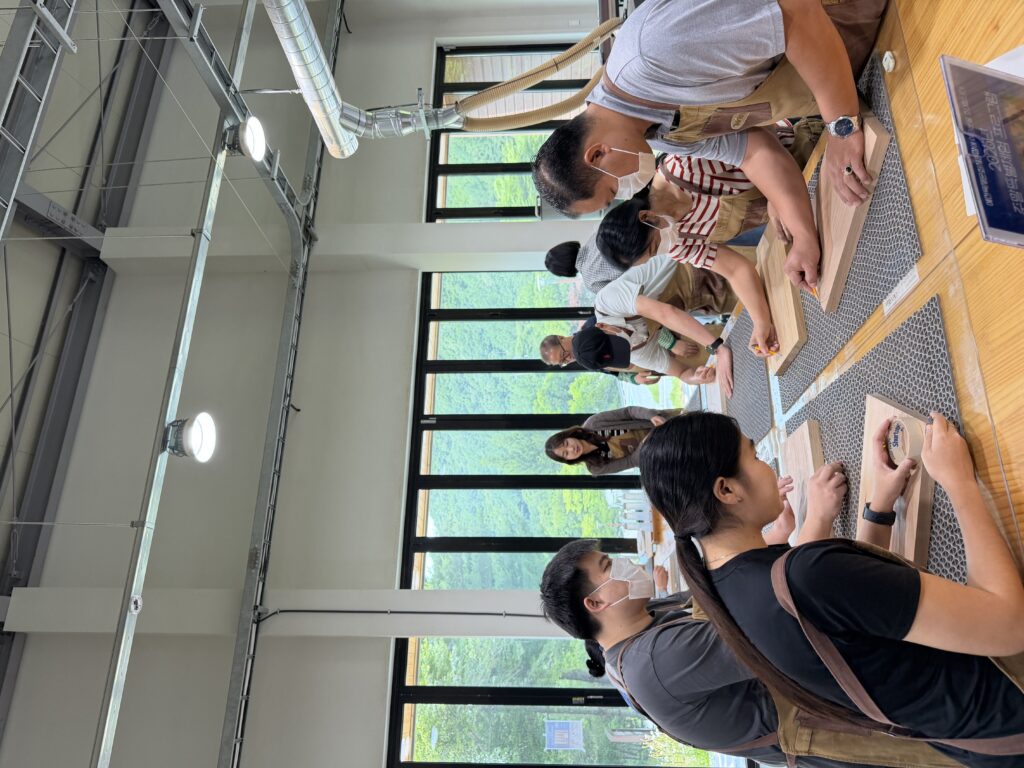
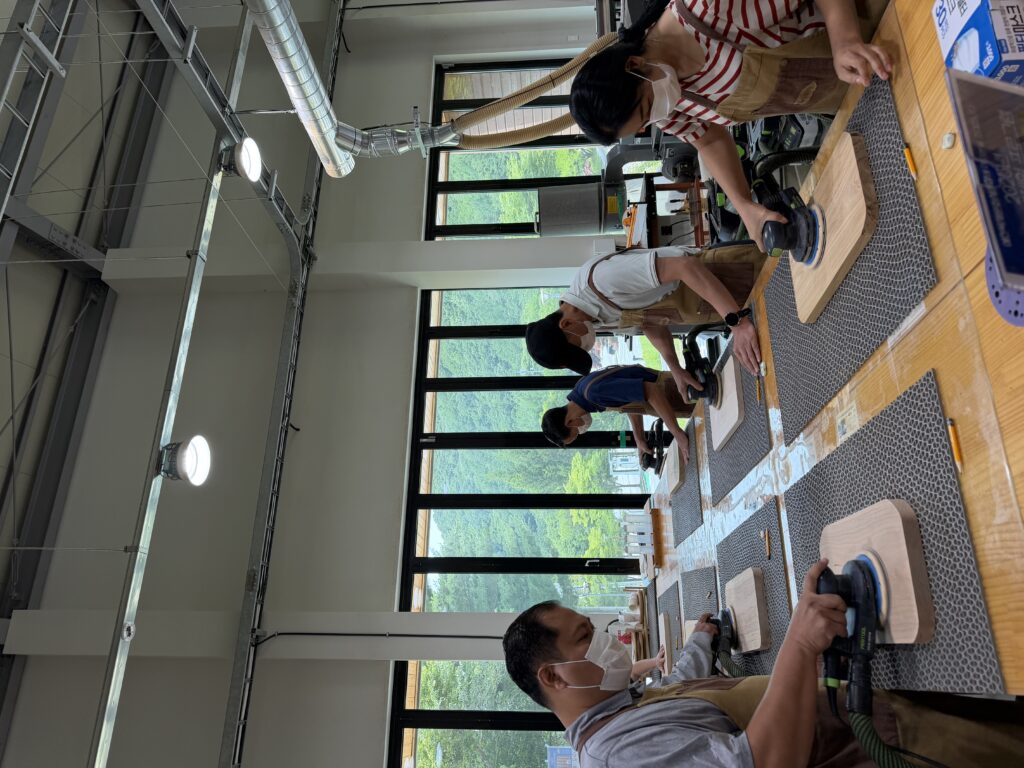
The visit showed how exhibitions and creative activities can raise public interest in wood culture while naturally connecting forests, materials, culture, and everyday life. It also demonstrated that relatively small facilities operated by local governments can play a meaningful role in forest education by offering accessible programs for families, children, and the wider public.
Integrating Traditional Knowledge into Forest Healing
The final site visit took place at the National Forest Healing Center in Jecheon, where participants experienced a personalized herbal tea therapy program incorporating Korea’s traditional Sasang constitutional theory.
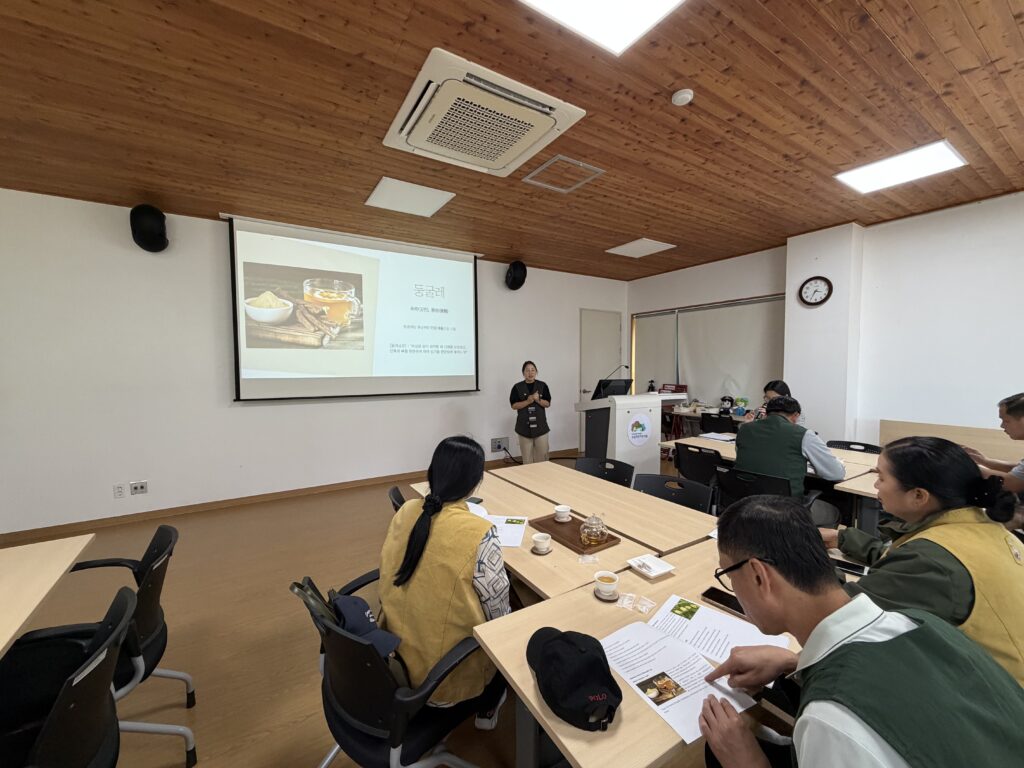
The program began with an introduction to traditional Korean tea ingredients, including astragalus and Solomon’s seal. Participants then learned about the four Sasang constitutional types—Taeyangin, Taeeumin, Soyangin, and Soeumin—and how traditional Korean medicine associates each type with distinct physical and psychological characteristics.
After completing a questionnaire on their physical traits, daily habits, and personality, participants identified the type that most closely matched their responses and were introduced to herbal teas traditionally associated with it. The program was conducted as an educational and cultural experience rather than a medical assessment.
By combining traditional medicine, tea culture, storytelling, and direct participation, the program showed how cultural knowledge can enrich modern forest welfare services and create a distinctive visitor experience.
The approach also offered a meaningful reference for the ASEAN-Korea Garden. Programs incorporating local plants, traditional knowledge, food and tea, crafts, and cultural practices could help give the Garden a unique identity while providing visitors with experiences beyond landscape appreciation.
Lessons for the ASEAN-Korea Garden
Reflecting on the Study Visit, Lao PDR’s National Focal Point (NFP) highlighted one key lesson: successful forest facilities do not have to start on a large scale.
“Think big, start small.”
Even relatively small facilities were able to provide meaningful services when supported by carefully designed programs and effective operational systems. Their value depended not only on physical size, but also on whether they offered suitable programs, employed capable personnel, remained accessible to the public, and had realistic plans for long-term operation and maintenance.
The NFP also noted that some facilities were managed by a limited number of government officials working alongside contracted specialists and other operational staff. This highlighted the value of providing local residents and service personnel with structured training and opportunities to build practical expertise. Involving nearby communities in the ASEAN-Korea Garden could support employment, strengthen local ownership, and improve long-term maintenance capacity.
Accessibility was another important lesson. Well-maintained trails, gentle routes, mobility services, rest areas, signage, and barrier-free facilities allowed people with different physical abilities to use the sites more comfortably. For the ASEAN-Korea Garden, accessibility should therefore be considered from the initial planning stage rather than added later.
Participants were also impressed by the diversity of programs available, ranging from forest walking and water therapy to meditation, tea, woodworking, and ecological interpretation. By connecting forests with culture, these activities transformed natural spaces into places for learning and exchange. Rather than reproducing Korean programs directly, these examples could inspire the development of content reflecting Lao PDR’s own traditions and cultural identity.
Operational financing was also discussed. The institutions visited relied largely on public funding while using entrance and program fees to support facility maintenance and service delivery. When kept affordable, such fees—combined with public support, community participation, and sound management—could contribute to the Garden’s long-term sustainability.
Above all, the Study Visit reaffirmed that Korean practices should be adapted rather than copied. Institutional capacity, climate, culture, visitor demand, available resources, and community conditions differ between Korea and Lao PDR. The purpose of the visit was therefore to identify practical ideas that could be adjusted to the local and operational context of the ASEAN-Korea Garden.
Moving Forward
The Study Visit brought together practical lessons on forest welfare, biodiversity conservation, accessibility, cultural programming, community participation, and sustainable operation. These insights will support project partners in developing the ASEAN-Korea Garden in ways that reflect Lao PDR’s local context and long-term needs.
Through the project, AFoCO will continue to facilitate knowledge exchange among its Member Countries and help translate shared experiences into locally relevant action. In doing so, AFoCO will support the Garden’s development as an inclusive space for learning, cultural exchange, and public engagement with forests.
Contributed by Sungmin Kim, Assistant Program Officer