
Seoul, Republic of Korea, 29–30 September 2025 — The Asian Forest Cooperation Organization (AFoCO), in collaboration with the National Institute of Forest Science (NIFoS) of the Republic of Korea, successfully organized two milestone meetings on 29–30 September 2025 at the AFoCO Secretariat in Seoul. The first day brought together experts and delegates for the inaugural Mangrove Ecosystem Restoration Working Group Meeting, followed by the establishment of the Climate Change Adaptation Working Group Meeting on the second day.
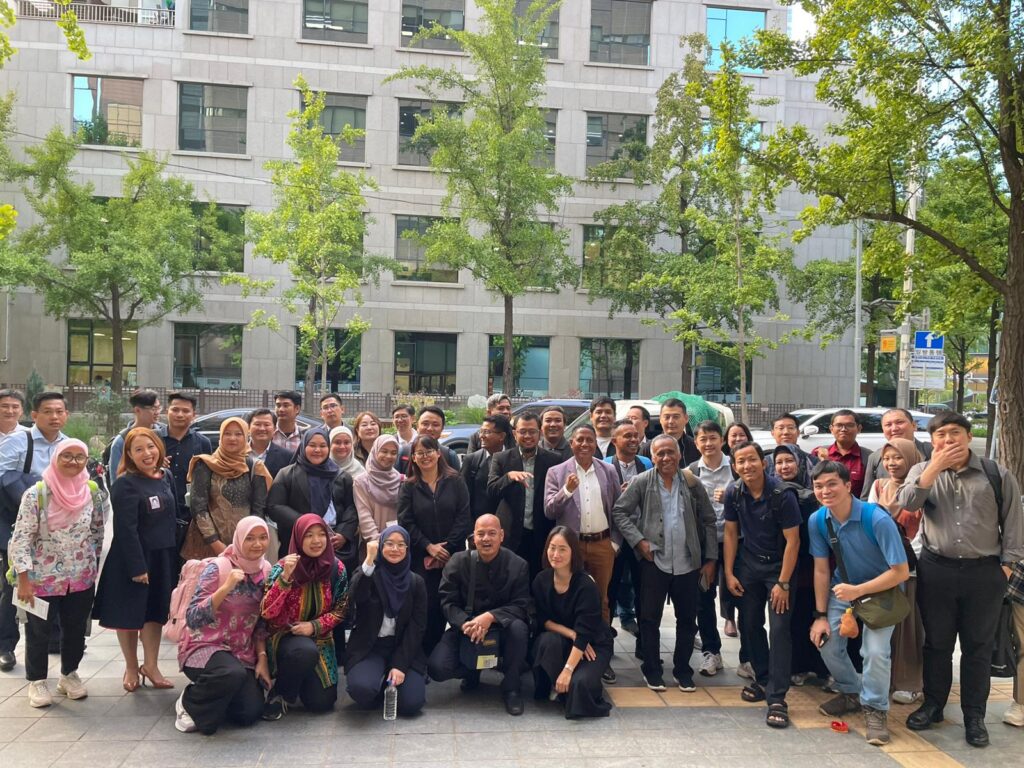
Day 1: Mangrove Ecosystem Restoration Working Group
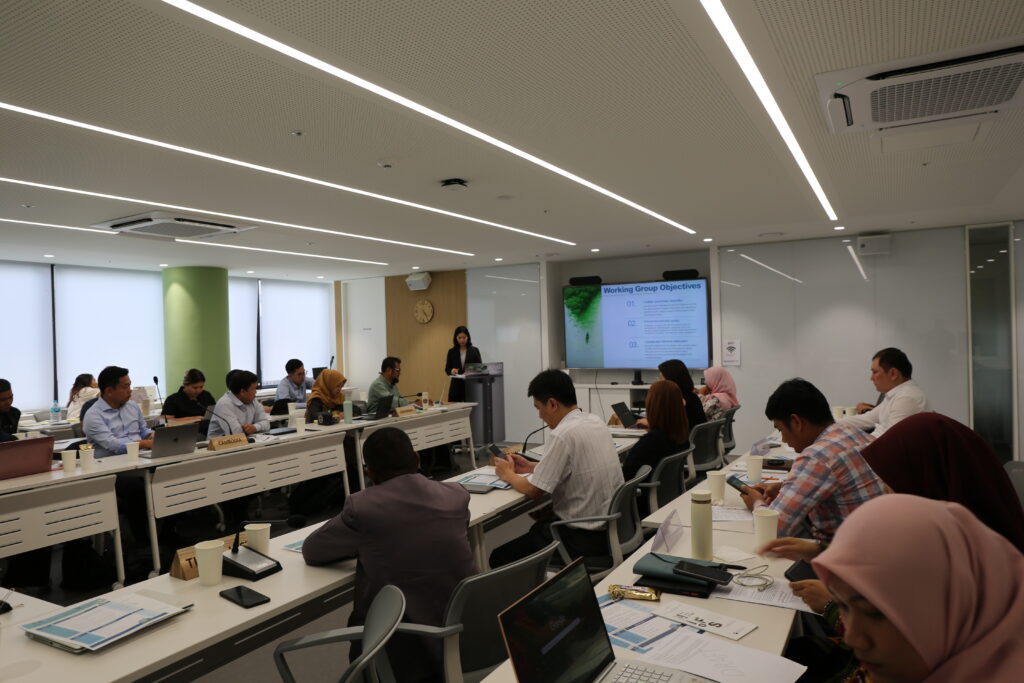
On 29 September, representatives from nine AFoCO member countries—Brunei Darussalam, Cambodia, Indonesia, Myanmar, the Philippines, Thailand, Timor-Leste, Viet Nam and the Republic of Korea —gathered with NIFoS researchers to discuss regional priorities for mangrove ecosystem restoration.
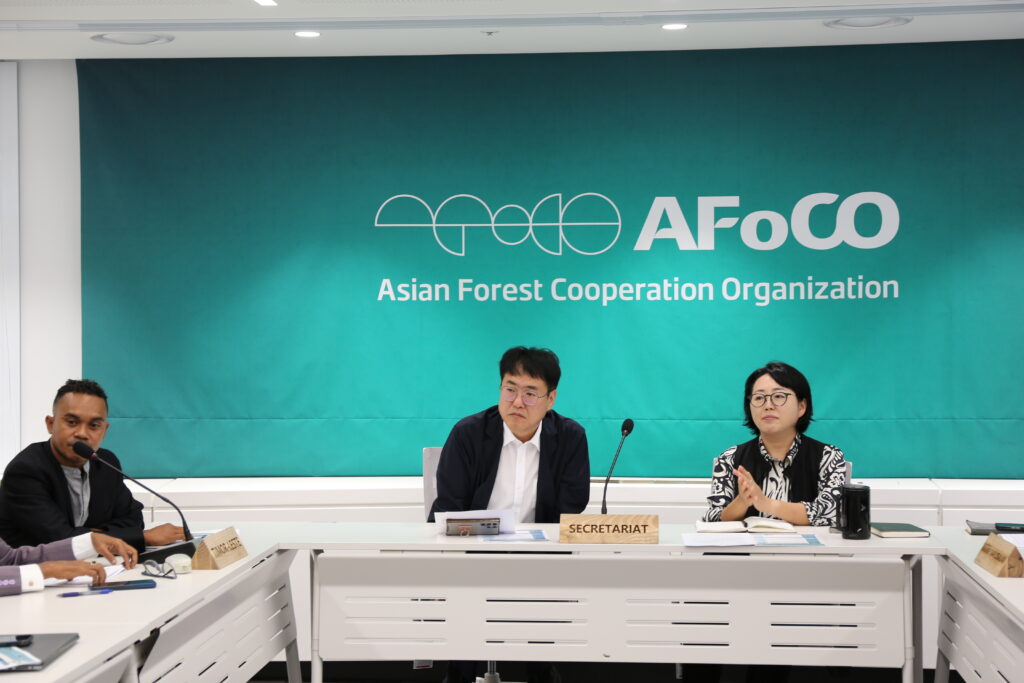
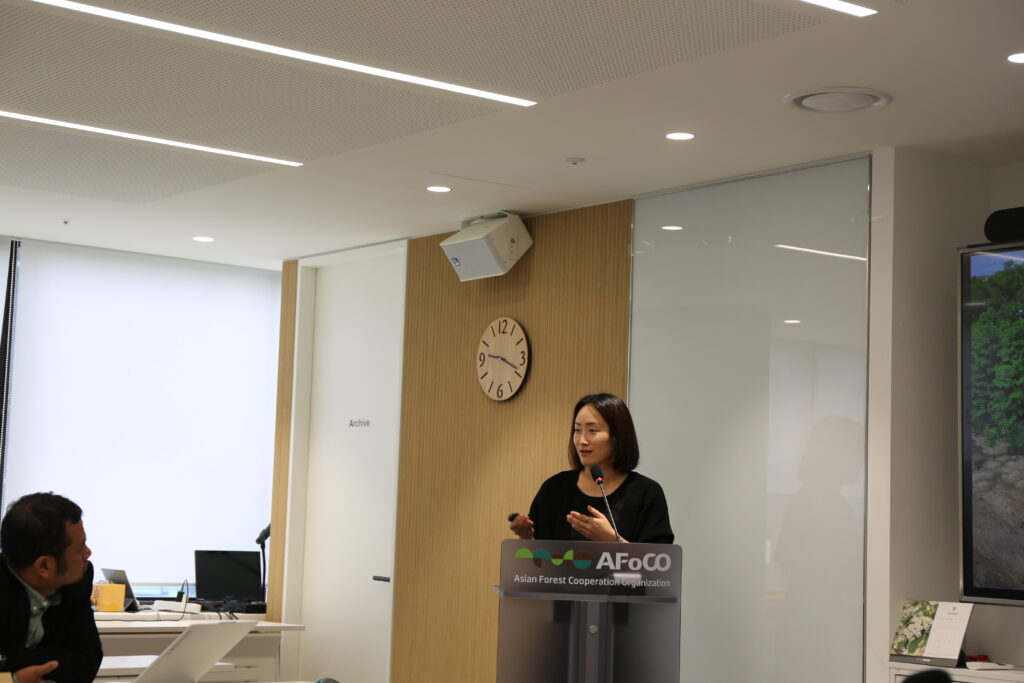
The meeting featured a keynote address on ‘Mangroves Without Borders: From Jeju’s Coasts to the Tropics’ and a presentation on the NIFoS Jeju Mangrove International Cooperation Project, focusing on the evaluation of mangrove carbon capture. Country representatives shared updates that highlighted diverse challenges and restoration initiatives across the region, while young scientists showcased their latest research, demonstrating innovative approaches being developed by the next generation
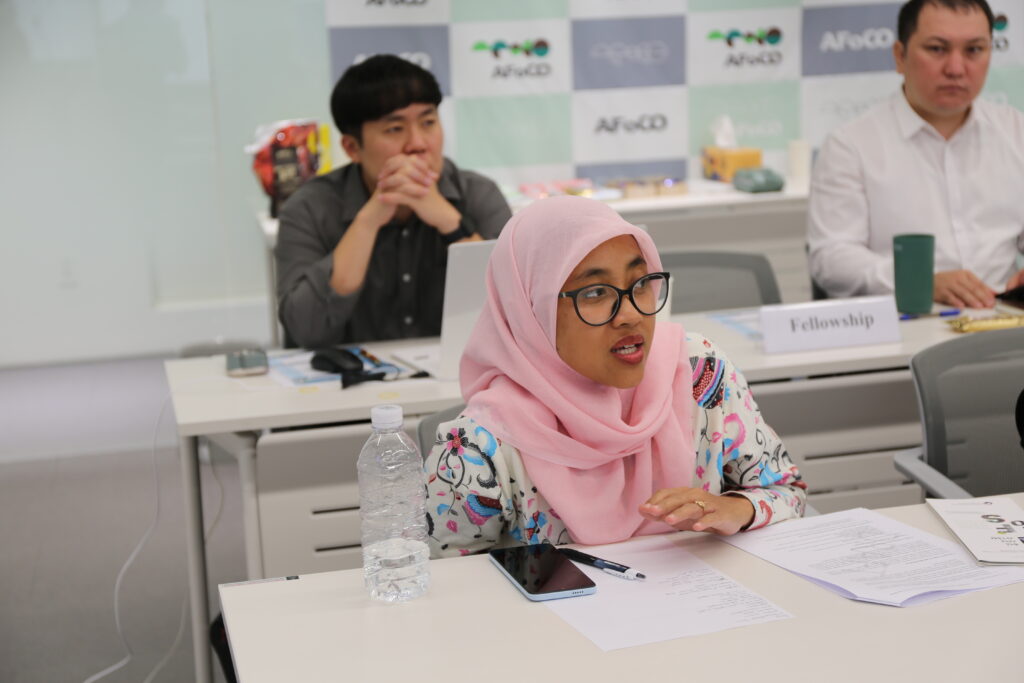


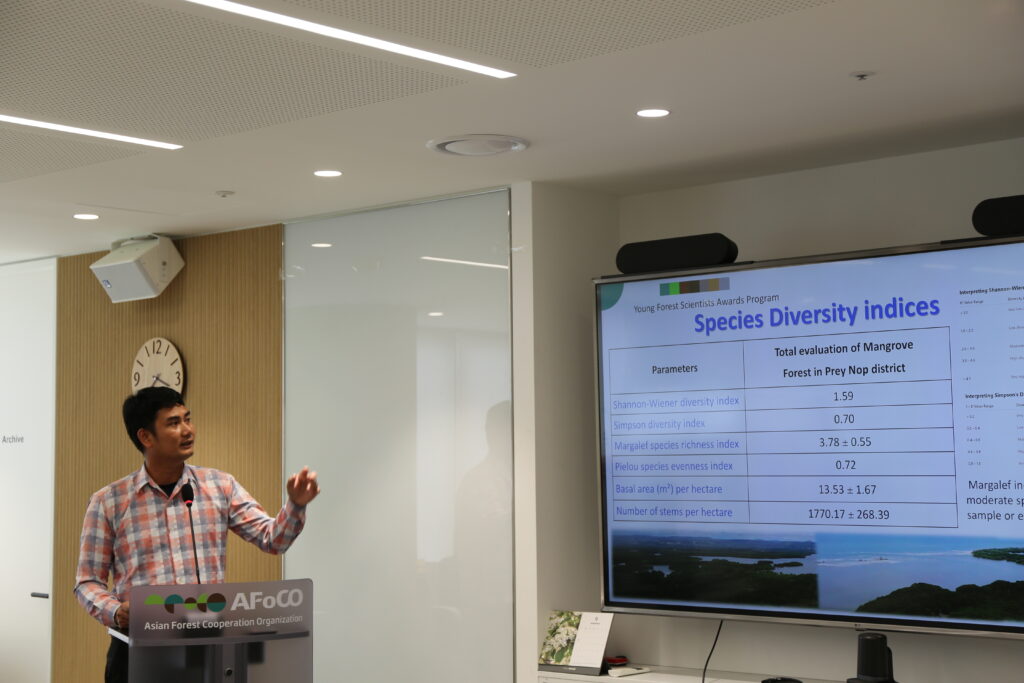
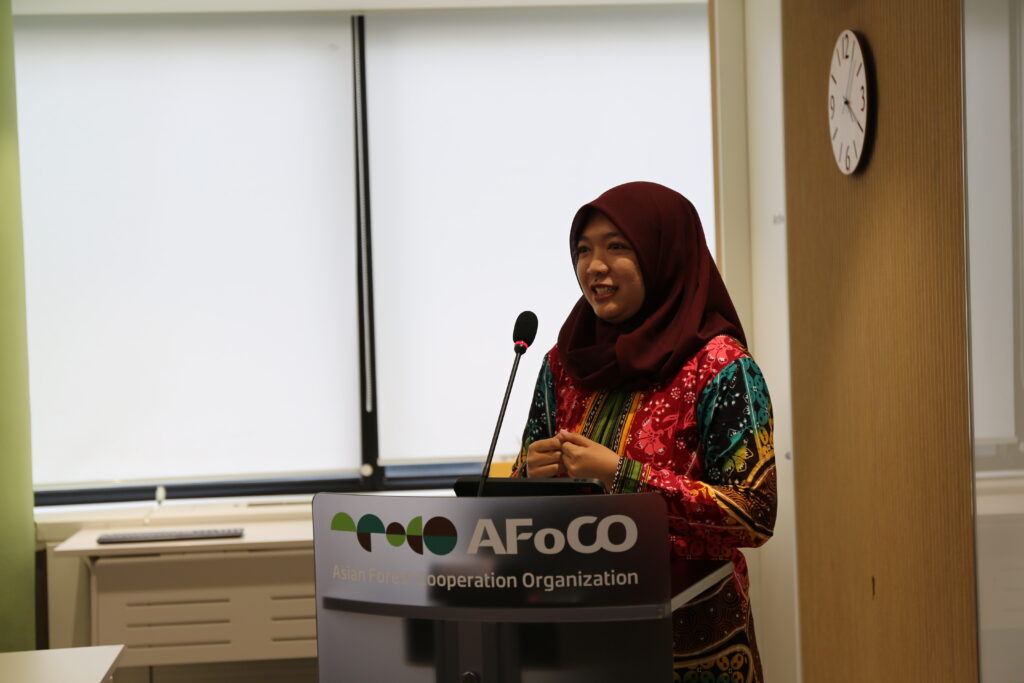
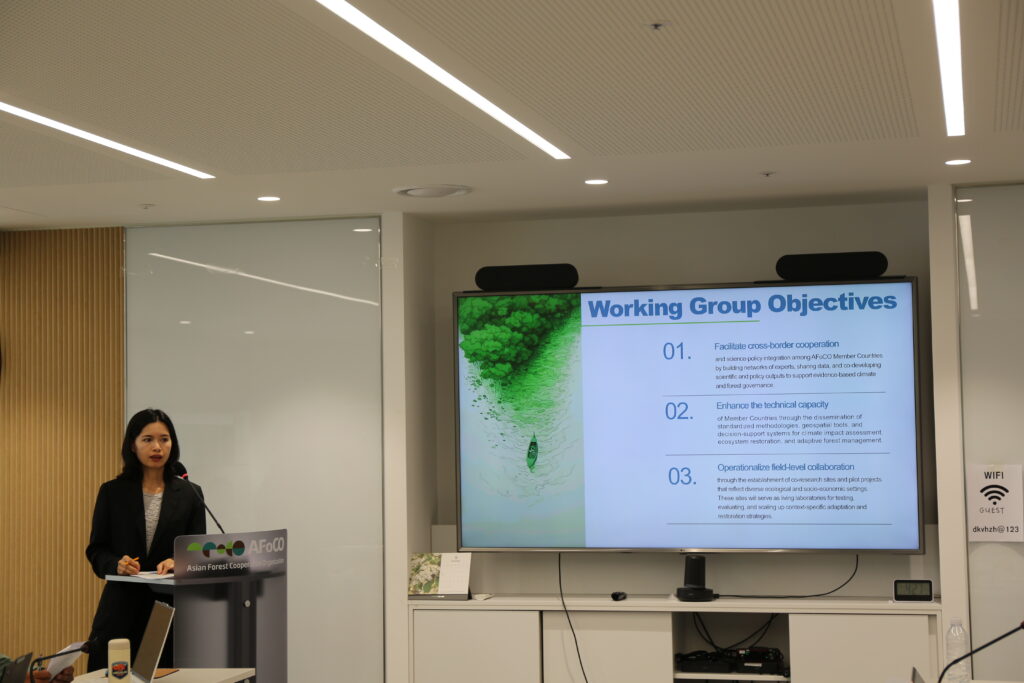
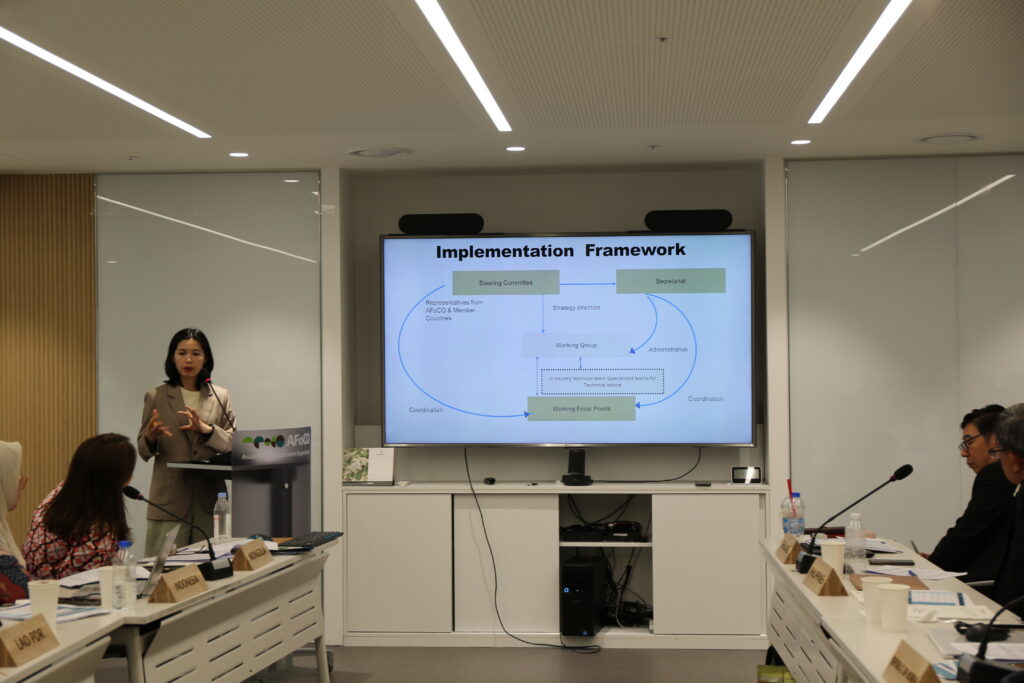
The final session focused on the concept note for the Mangrove Ecosystem Restoration Working Group, presented by Ms. Sena Aomjitr, Fellowship Official from Thailand. This was followed by an open-floor discussion during which delegates provided constructive feedback. Participants emphasized the importance of strengthening regional collaboration, harmonizing technical frameworks, and developing pilot initiatives under the Asian Forest Living Lab Initiative.
Day 2: Climate Change Adaptation Working Group
On 30 September, attention turned to one of the most urgent global challenges—climate change. Delegates from 15 AFoCO member countries, including Bhutan, Kazakhstan, Kyrgyz Republic, Lao PDR, Mongolia, Tajikistan, and the Republic of Korea (represented by NIFoS), joined their counterparts to discuss national policies and strategies for forest-based climate change adaptation.

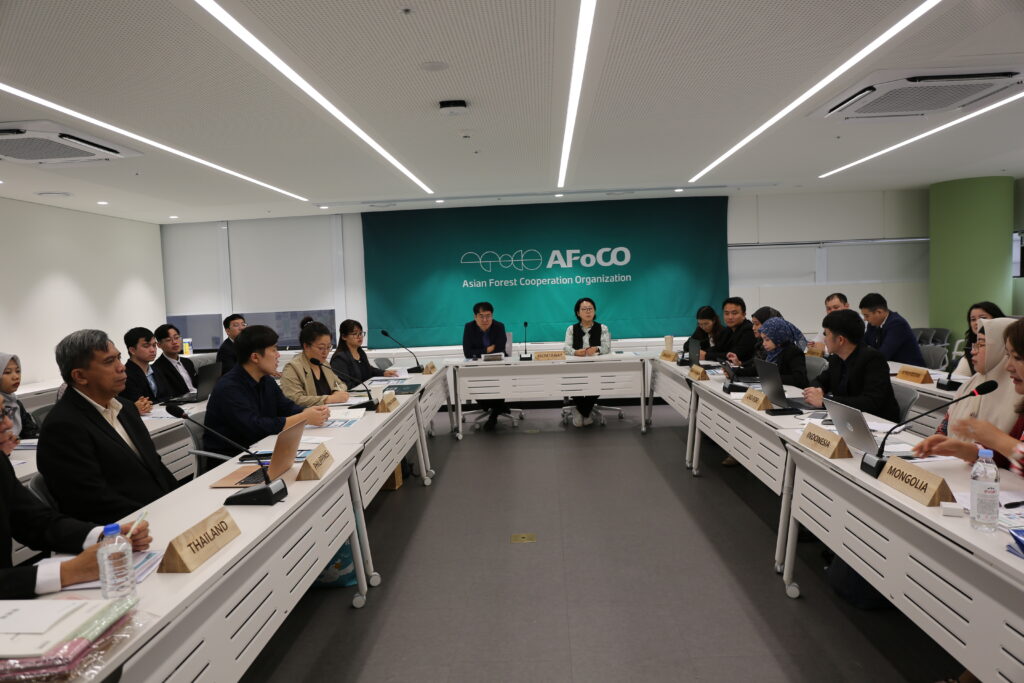
The meeting opened with a keynote on regional forest challenges under the climate crisis, followed by detailed presentations from member countries on their adaptation policies. Young scientists from Indonesia, Myanmar, the Philippines, and Viet Nam presented innovative studies ranging from community-based adaptation to advanced modeling of climate impacts.
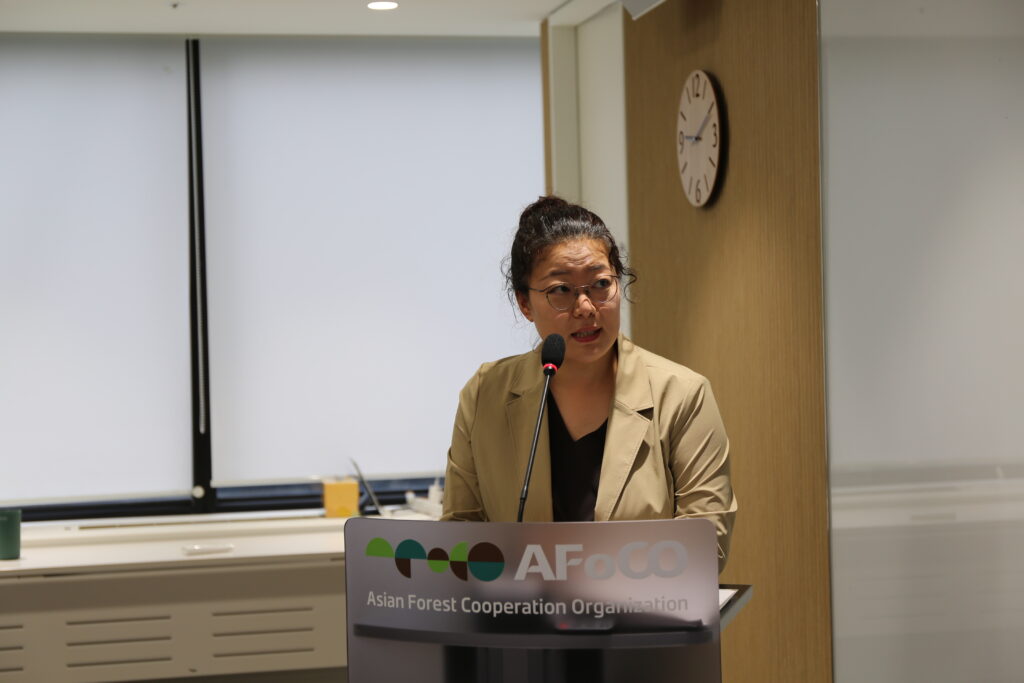
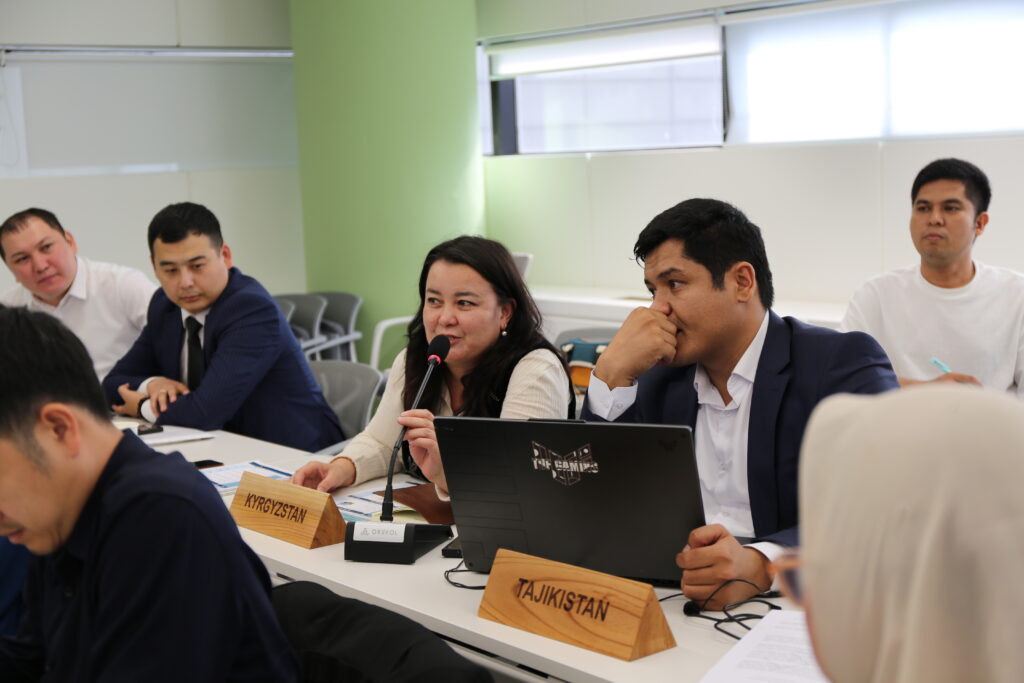
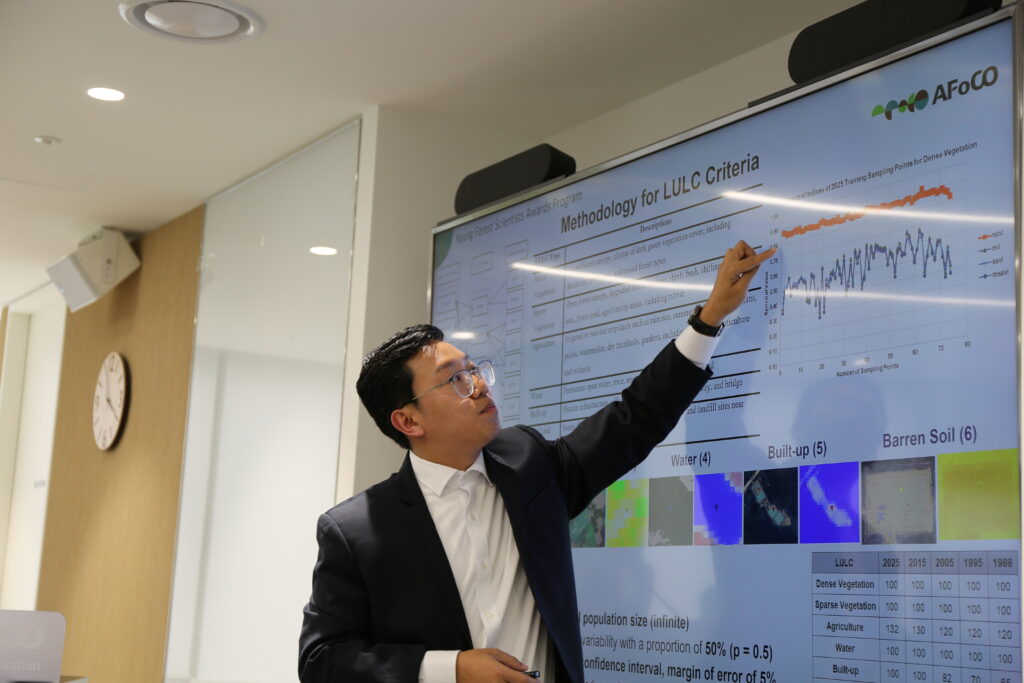
The day concluded with the introduction of the Climate Change Adaptation Working Group concept note, which outlined the group’s role in strengthening science-policy linkages, enhancing technical capacity, and piloting field-level adaptation projects across diverse ecological settings.

Joint Field Program in Seoul
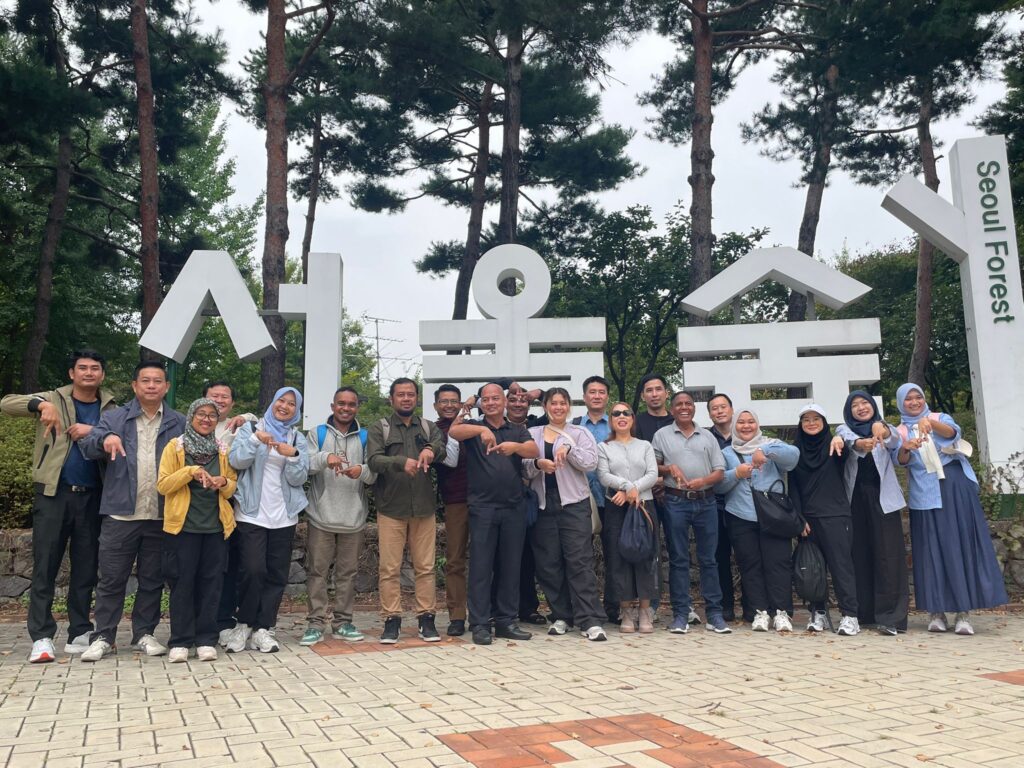
Between the two working group sessions, participants had the opportunity to explore Korea’s cultural and natural heritage. A joint field program included a visit to Seoul Forest—a symbol of urban ecological restoration—and the National Museum of Korea, offering delegates a chance to experience the country’s history and biodiversity conservation efforts in an informal setting.
Looking Ahead
Both working groups represent AFoCO’s growing commitment to regional collaboration under its the Asian Forest Living Lab Initiative. By addressing the urgent challenges of mangrove degradation and climate change impacts on forests, AFoCO and NIFoS reaffirmed their shared mission to strengthen the resilience of Asia’s ecosystems and communities.
Submitted by Ms. Sena Aomjitr, Fellowship Official from Thailand, Capacity-Building and Evaluation Team